

Intel has reportedly made another critical move in its AI hardware strategy. According to sources who spoke to Wired, the company has signed a non-binding letter of intent to acquire SambaNova Systems, a developer of high-performance AI hardware.
Intel Acquires SambaNova
While no final agreement has been reached, the terms are subject to change or cancellation at any time. Despite this uncertainty, the fact that Intel CEO Lip-Bu Tan also chairs SambaNova’s board of directors suggests strong contact behind the scenes.
Founded in 2017 and quickly raising a significant investment of $1.14 billion, SambaNova stands out in the industry with its Reconfigurable Data Flow Unit (RDU) architecture developed for AI processing models.
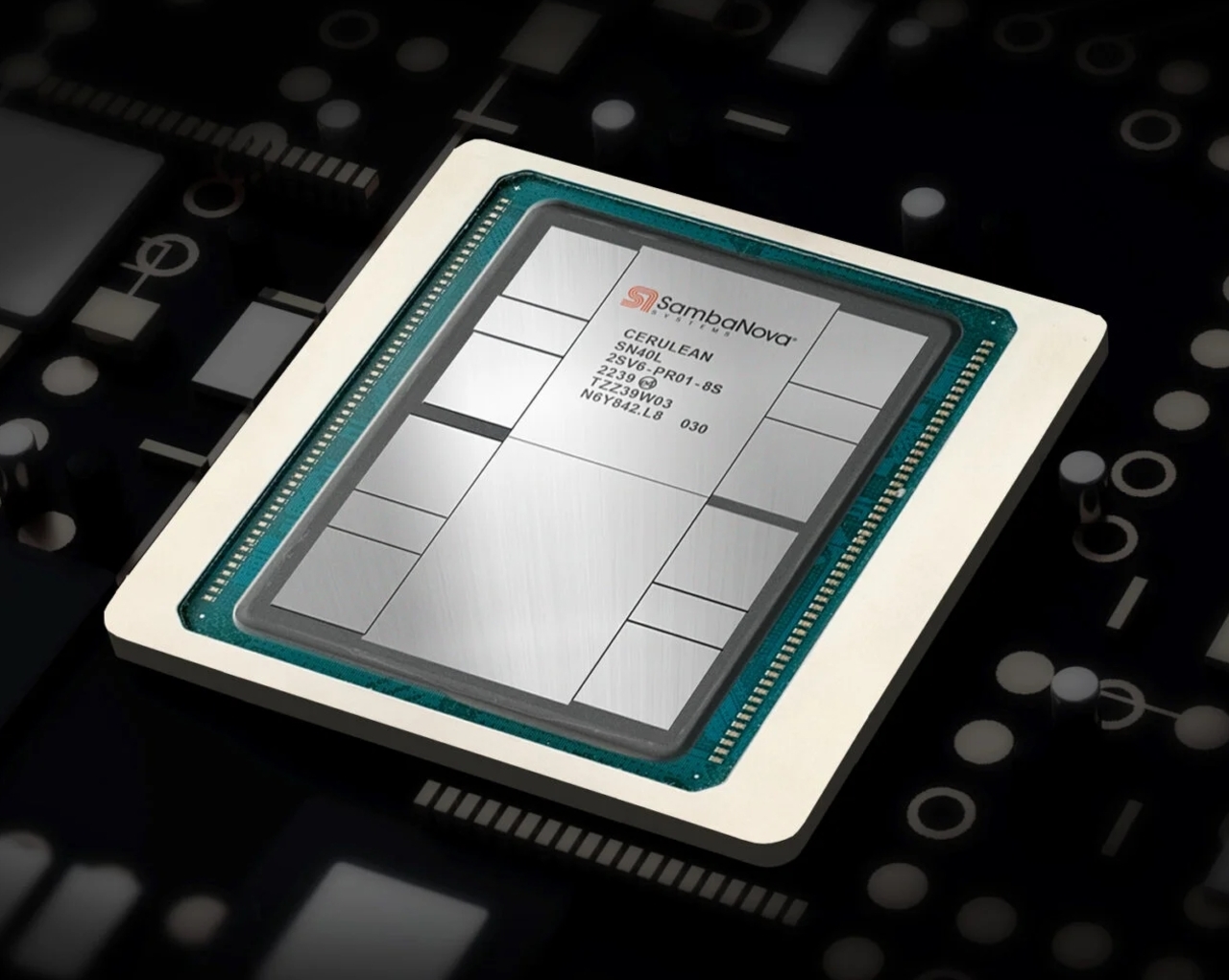
The company’s rack-scale SambaRack solutions are specifically designed to accelerate inference processes, particularly for models with very large parameters. The most recent generation, the fourth-generation RDU, boasts powerful specifications including 1,040 cores, 653 TeraFLOPS BF16 computing power, 520 MB of internal memory, 64 GB of HBM3, and a 1.5 TB external DDR memory pool to support larger models. Due to the company’s private status, official sales performance data is not being shared.
It remains unclear how SambaNova technologies will be integrated into Intel’s product portfolio should the acquisition be completed. Intel previously acquired Movidius to integrate low-power NPU solutions into its processors.
Similarly, Habana Labs’ Gaudi AI accelerators, acquired through a similar strategy, failed to achieve the expected impact against AMD and NVIDIA solutions in the data center market. Given this history, whether Intel will continue SambaNova as a standalone product line or integrate the RDU architecture into its existing accelerator portfolio is a critical question.