
Intel Unveils New GPU With Record-Breaking 480GB Memory

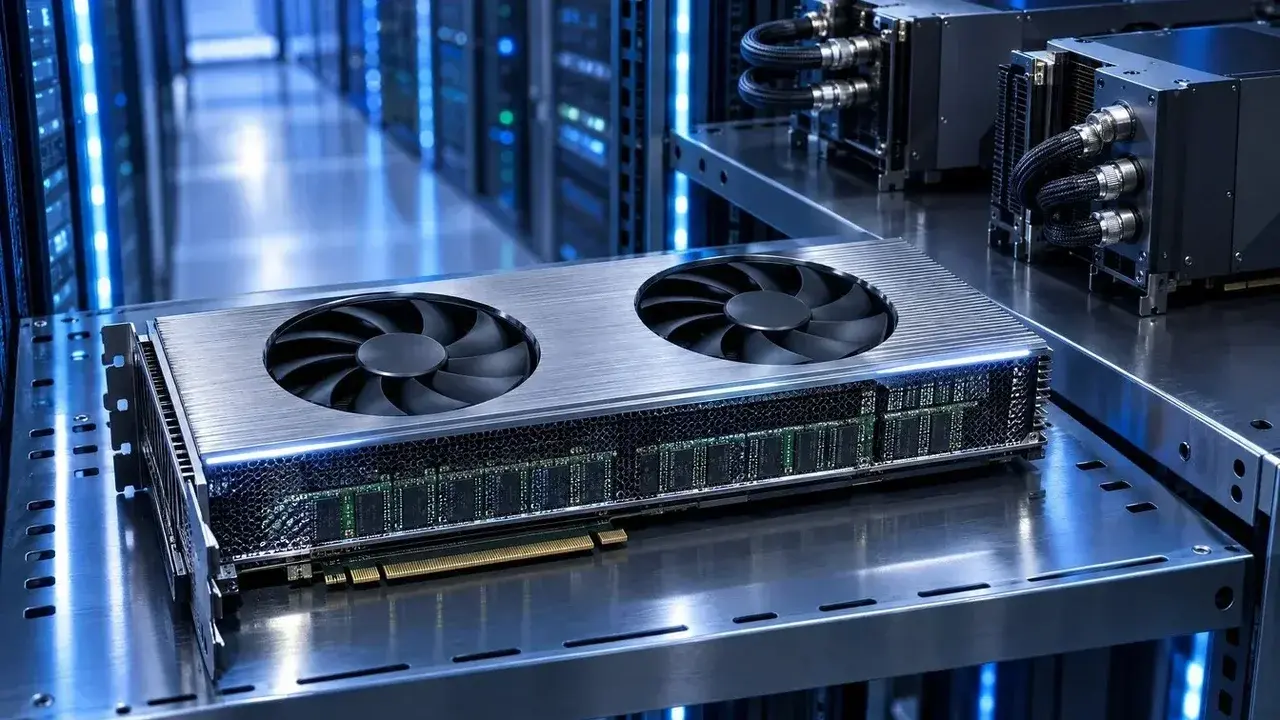
Intel has officially introduced its new D-series GPU, a specialized hardware solution engineered specifically for high-performance artificial intelligence inference tasks within data centers. By integrating an unprecedented 480GB of LPDDR5X memory, the company has surpassed the capacity records previously held by competitors such as Nvidia’s Blackwell Ultra B300. This strategic launch marks a significant shift in Intel’s hardware roadmap, moving away from gaming-centric GDDR7 memory to prioritize the massive memory requirements and energy efficiency needed for large language model inference. The new Intel GPU aims to provide enterprises with a robust infrastructure to handle complex AI workloads more effectively.
- The new Intel D-series GPU features a industry-leading 480GB of LPDDR5X memory capacity.
- Intel opted for LPDDR5X technology to maximize energy efficiency for AI inference tasks.
- A single card supports large language models containing up to 300 billion parameters.
- The hardware utilizes a standard PCIe form factor to ensure seamless integration into existing server racks.
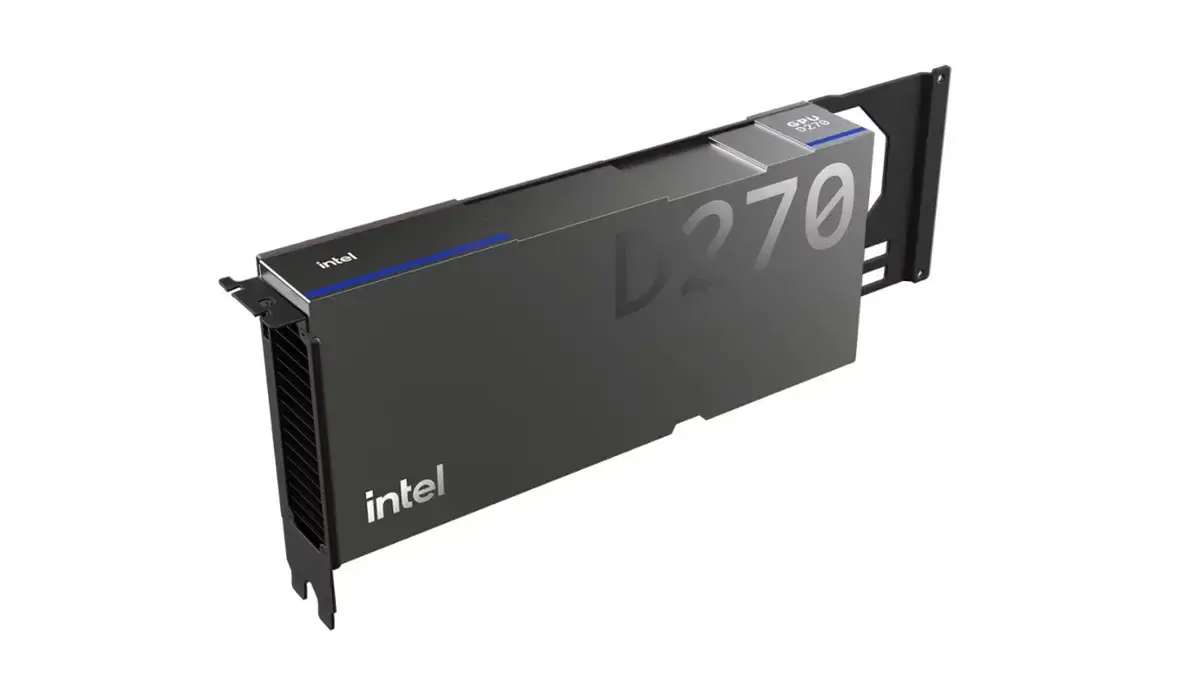
Advanced Architecture Powers Massive AI Models
The technical specifications of the Intel D-series GPU demonstrate a focus on computational density. Capable of supporting models with up to 300 billion parameters on a single card, the hardware scales impressively; a cluster of eight GPUs can manage models exceeding one trillion parameters. This capacity is vital for modern enterprise AI services that require long, multi-stage instruction sequences.
Performance metrics indicate an FP8 computational power of 1.3 petaflops, complemented by a memory bandwidth of 1.5TB/s. This high bandwidth is crucial for maintaining rapid data movement between the memory and the processor, preventing bottlenecks during intensive inference requests. Intel emphasizes that while memory capacity is the headline feature, the overall system performance relies heavily on the synergy between these processors, software optimizations, and efficient data throughput.
Integration Simplifies Data Center Upgrades
One of the primary challenges for data centers is the adoption of new hardware without necessitating a complete overhaul of existing infrastructure. Intel has addressed this by designing the D-series GPU with a 350W power envelope and a standard PCIe form factor. This design choice removes the need for specialized cooling solutions or complex rack modifications, allowing for straightforward installation in standard server environments.
Furthermore, Intel plans to optimize these GPUs to work in tandem with their existing Xeon processor lineup. In this setup, the CPU handles general-purpose tasks and orchestrates complex workflows, while the GPU takes on the heavy lifting of AI inference. This collaborative architecture is particularly well-suited for advanced AI applications that involve retrieval, reasoning, and the execution of external tools, providing a balanced approach to enterprise-grade artificial intelligence deployment.
Market Impact Remains to be Determined
As the demand for AI inference capabilities continues to skyrocket, Intel’s focus on providing a cost-effective and high-capacity alternative could reshape the competitive landscape of the data center market. Although the company has not yet announced specific pricing or a general availability date, the move signals a clear intent to challenge current market leaders by prioritizing efficiency and accessibility. As organizations look for ways to optimize their AI infrastructure, the balance between raw power and total cost of ownership will likely dictate the success of this new hardware series.
We are eager to hear your perspective on this development. Do you believe Intel’s focus on high-capacity memory will make them a dominant player in the AI hardware market, or will the competition’s current momentum prove too strong? Share your thoughts in the comments section below.
Your comment has been submitted,
it will be published after approval.