
iOS 27 Code Reveals Potential Dual Battery Foldable iPhone

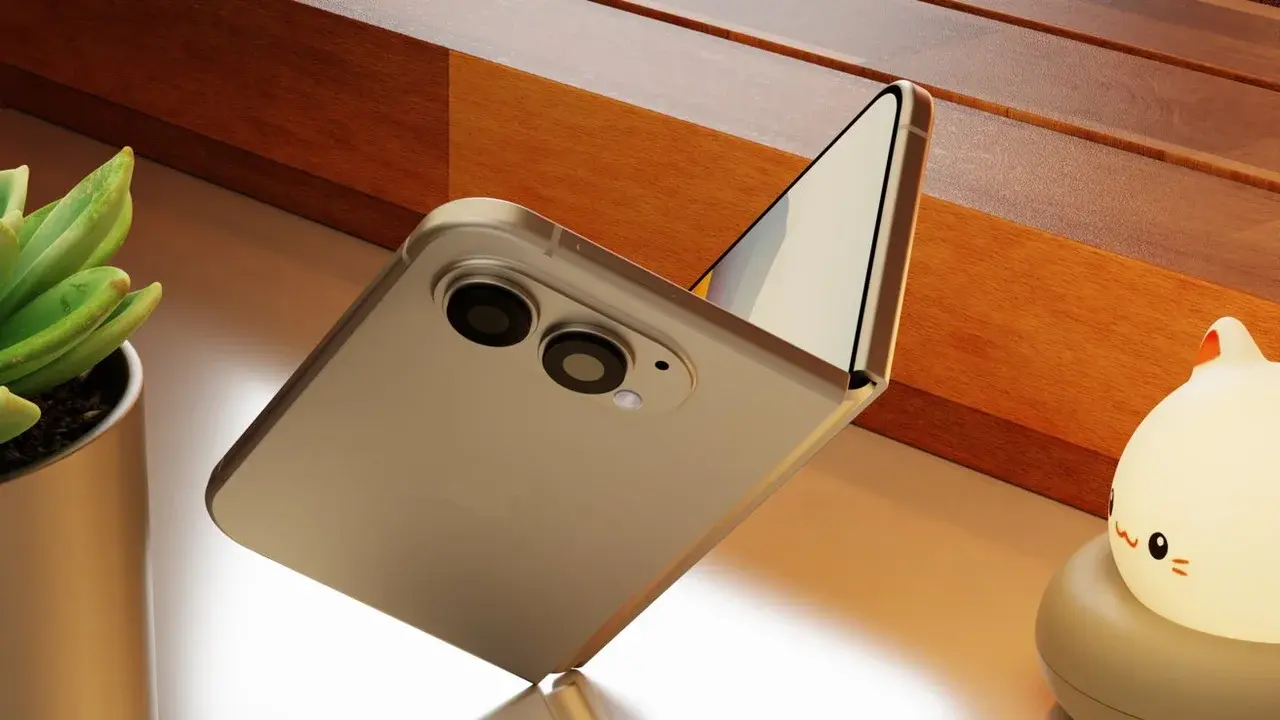
New code discovered within the fourth developer beta of iOS 27 suggests that Apple is preparing for a multi-battery management system, sparking renewed speculation about a long-rumored foldable iPhone. The operating system includes specific strings referring to battery health and performance across multiple power sources, indicating a sophisticated approach to power distribution. These internal references suggest that future Apple hardware, potentially a foldable device, could utilize a dual-cell architecture to maintain efficiency and balance. Experts are now analyzing whether this software shift confirms Apple’s transition toward a hardware design that moves beyond the traditional single-battery configuration found in existing iPhone models.
- The iOS 27 developer beta contains system strings capable of monitoring multiple battery units simultaneously.
- Technical analysts suggest that a dual-battery design would optimize weight distribution in a foldable chassis.
- Historical evidence confirms that Apple previously utilized dual-cell technology in the iPhone X model.
Dual Battery Systems Support Foldable Design Requirements
The implementation of a dual-battery system provides a logical solution for the unique structural demands of a foldable device. In a handset that folds, splitting the power requirements across two distinct cells allows the device to maintain a proper center of gravity while ensuring a slim profile. 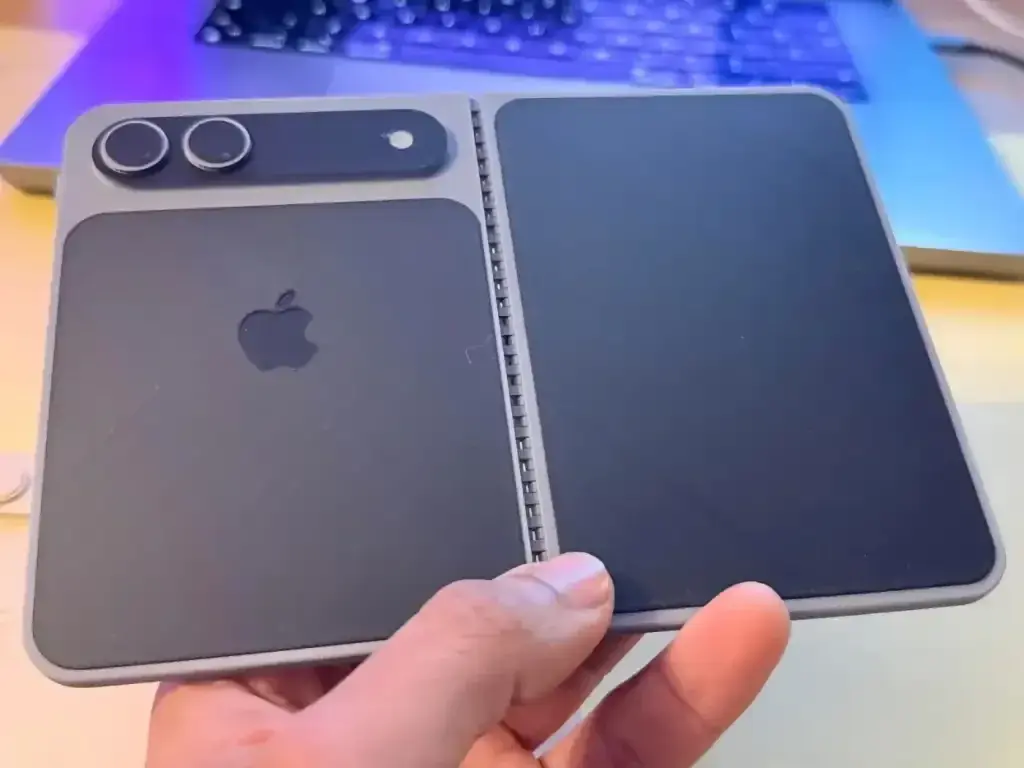
Distributing power across two cells significantly enhances the total energy efficiency of the device.
While some observers argue that these code snippets might simply refer to the management of external MagSafe battery packs, others maintain that the language points toward integrated, system-level hardware. A single battery cell placed on one side of a folding screen would inevitably lead to an unbalanced device that feels awkward to hold during daily operation.
Previous Hardware Designs Influence Modern Strategies
Apple has a documented history of utilizing multi-cell battery technology to achieve specific design goals. During the 2017 teardown of the iPhone X, engineers identified a dual-cell structure housed within a single enclosure, demonstrating that Apple is well-versed in managing multiple power units to maximize internal space.
Future foldable iterations may integrate 3D stacked battery cells to surpass 5,000mAh capacities.
This approach aligns with current industry reports suggesting that Apple intends to use 3D-stacked battery cells to overcome the physical limitations of a foldable frame. By utilizing two distinct cells, the company can effectively manage the heat dissipation and energy density required for a high-performance device that features a large, folding display.
Future Developments Remain Subject to Internal Planning
The discovery of these software strings does not guarantee an immediate release of a foldable smartphone, but it provides a clear roadmap of Apple’s investigative direction. The company continues to refine its iOS power management infrastructure to accommodate hardware that may deviate from the standard slab design of the current iPhone lineup. As development progresses, the industry will closely monitor whether these coding references translate into a consumer-facing product that revolutionizes the current mobile landscape.
We are eager to hear your thoughts on this potential hardware shift; do you believe a dual-battery system is the right path for a foldable iPhone, or should Apple focus on improving single-cell density instead? Share your opinions in the comments section below.
Your comment has been submitted,
it will be published after approval.