
iOS 27 Significantly Boosts Low Power Mode Performance

Apple has officially introduced substantial system-wide performance improvements with the rollout of the iOS 27 update, specifically targeting the efficiency of the Low Power Mode feature for iPhone users. During the recent WWDC event, the tech giant highlighted significant speed optimizations across the operating system, including a 30 percent faster application launch time, a 70 percent increase in loading speeds for new photos, and an 80 percent improvement in AirDrop transfer rates. These advancements are designed to ensure that even when the device is operating under restricted power consumption settings, users experience a significantly more responsive and stable interface across their daily tasks.
- Apple optimized camera efficiency within Low Power Mode to reduce power consumption and decrease initialization times.
- Early beta testing indicates that overall system fluidity remains consistent even when the device restricts background processes.
- Performance gains vary significantly depending on the specific iPhone hardware generation being utilized by the user.
- Apple continues to refine these software optimizations throughout the ongoing beta testing phase before the final public release.
The latest update ensures that critical device functions remain highly responsive even when battery conservation settings are enabled.
Camera Efficiency is Greatly Enhanced in Low Power Mode
One of the most notable changes introduced in iOS 27 involves the optimization of the camera application while the device is in Low Power Mode. According to technical documentation provided by Apple, the system now manages the camera’s power draw more effectively, allowing for a much faster startup sequence. This improvement addresses long-standing user complaints regarding the sluggishness of camera access when battery life is low.
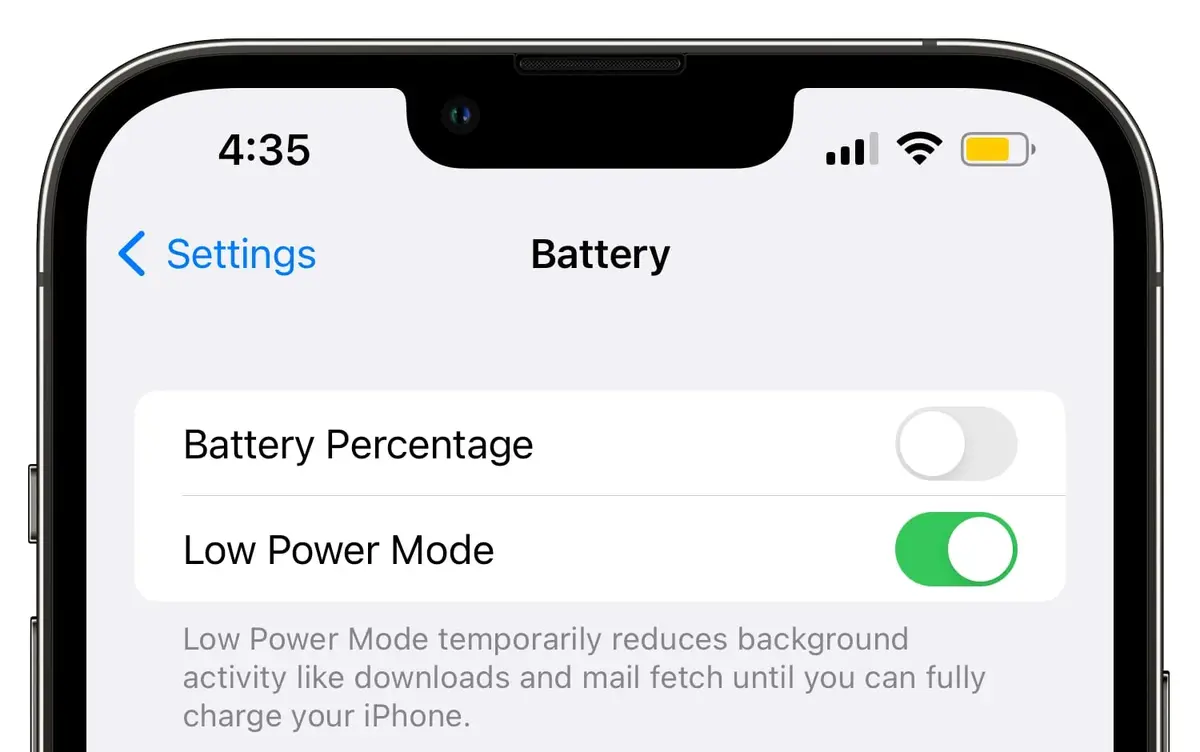
Early adopters and beta testers, such as Benjamin Mayo, have reported that while the system may reduce frame rates to conserve energy, the overall stability of the iPhone has improved compared to previous iOS versions. This suggests a more intelligent resource allocation strategy that prioritizes core functions without sacrificing the user experience.
Performance Gains Depend on Hardware Capabilities
While the improvements are system-wide, the degree of performance enhancement is contingent upon the user’s specific hardware. Newer iPhone models are expected to benefit more noticeably from these architectural changes due to their more capable processors and better-integrated power management systems. Older devices may experience more modest gains, though the refinement of the software should still provide a more consistent experience than previous iterations.
Apple aims to maintain these performance standards through every subsequent beta cycle until the official public launch.
Beta Testing Cycles Continue to Shape Future Releases
As iOS 27 is currently in its initial beta phase, the software remains subject to further adjustments. Apple has committed to ongoing performance tuning as they gather data from developer and public beta testers. The goal is to reach a highly optimized state by the time the stable version reaches the general public. As the release date approaches, users can anticipate further refinements that will likely improve battery life and system speed simultaneously. These iterative updates represent Apple’s broader strategy of extending the longevity of older devices through software efficiency rather than forcing hardware upgrades.
Have you had a chance to test the latest iOS 27 beta on your device, and have you noticed any significant changes in your battery life or general system speed while using Low Power Mode? Please share your experiences and insights in the comments section below.
Your comment has been submitted,
it will be published after approval.