

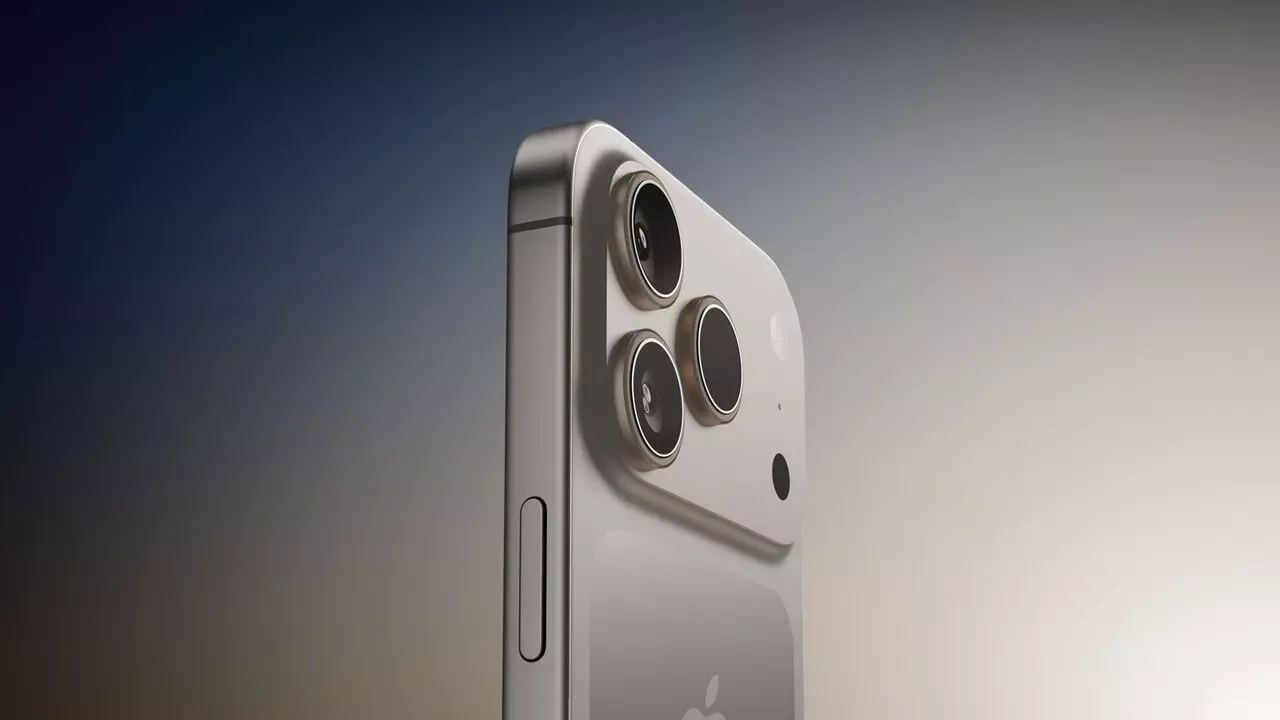
Apple may be walking away from titanium just two years after making it a selling point. A new leak claims the iPhone 17 Pro will swap back to aluminum, with fresh changes to the camera bump and rear design.
iPhone 17 Pro chassis leak sparks material rumors
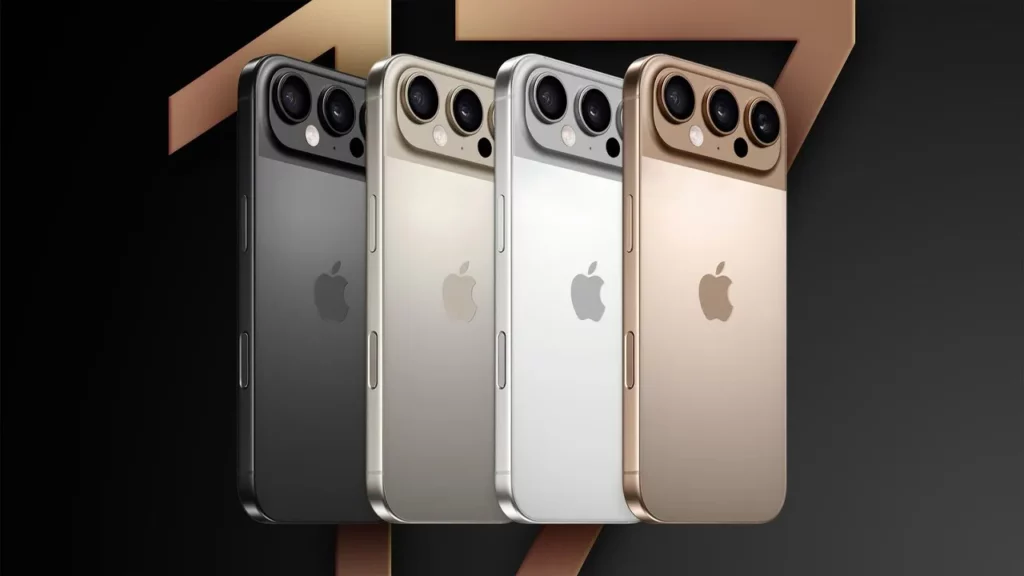
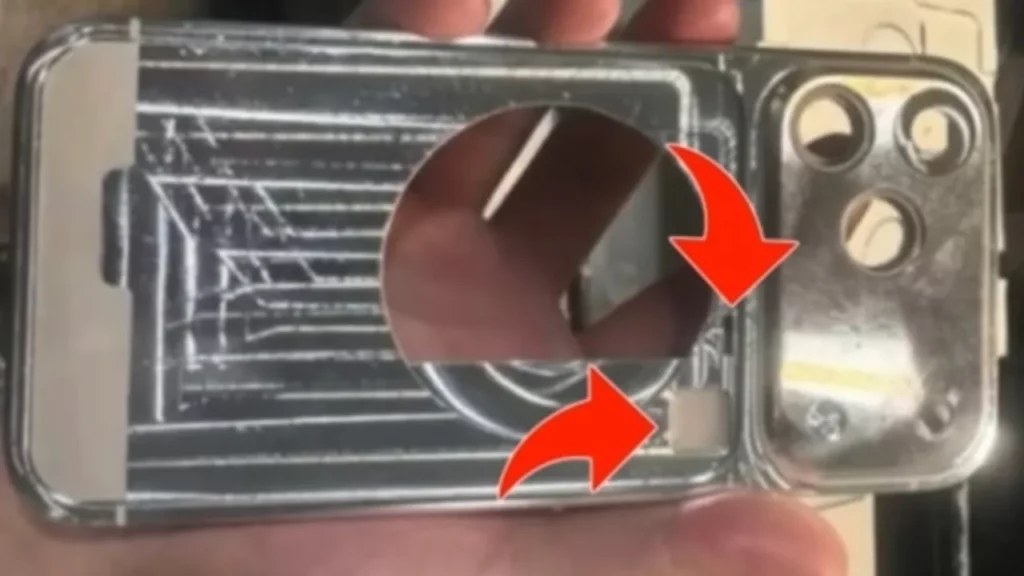
Images from leaker yeux1122, posted on Chinese site Weibo, show what’s said to be the iPhone 17 Pro’s aluminum body. The camera bump appears as a single milled section of metal rather than a glass insert, with cutouts for lenses and a large circle for MagSafe.
This contrasts with the iPhone 16 Pro and 16 Pro Max, which have an all-glass back and a separate camera module. If accurate, it would mark a full return to aluminum sides and back, with glass limited to small sections — possibly the spots marked by arrows in the leaked photo.

The battery capacity of the iPhone 17 Pro Max has been leaked. The device will come with a battery of approximately 5000 mAh.
A quick retreat from titanium?
Apple made titanium a centerpiece of the iPhone 15 Pro’s marketing, touting its weight savings and unique finishes. That pitch continued into the iPhone 16 Pro series. If this leak is true, though, titanium may have been a two-year experiment, abandoned in favor of a lighter, potentially cheaper aluminum and glass mix.
What the leak does — and doesn’t — prove
The origin of the part is murky. It could be an early production frame, but it might just as easily be a mold for case manufacturers. Without direct confirmation, the material shift remains speculation.
Here’s what the images seem to show:
- One-piece aluminum chassis wrapping the phone
- Integrated camera bump milled from the same metal
- Large MagSafe cutout
- No sign of a full glass back panel
A leaker with a mixed track record
Yeux1122’s history isn’t spotless. They recently posted what appears to be an iPhone 17 Air battery, but also inaccurately predicted a 2TB storage option for the iPhone 16 Pro. Their leak accuracy sits just above average in Apple-watching circles.
For now, the aluminum claim remains unverified — but if Apple does switch, it will be quietly admitting that titanium’s brief run wasn’t as untouchable as the keynote slides suggested.
Shiny metals age fast in tech, and Apple may already be chasing the next one.