
iPhone 17 Pro Outperforms Galaxy S26 Ultra in Camera Tests!

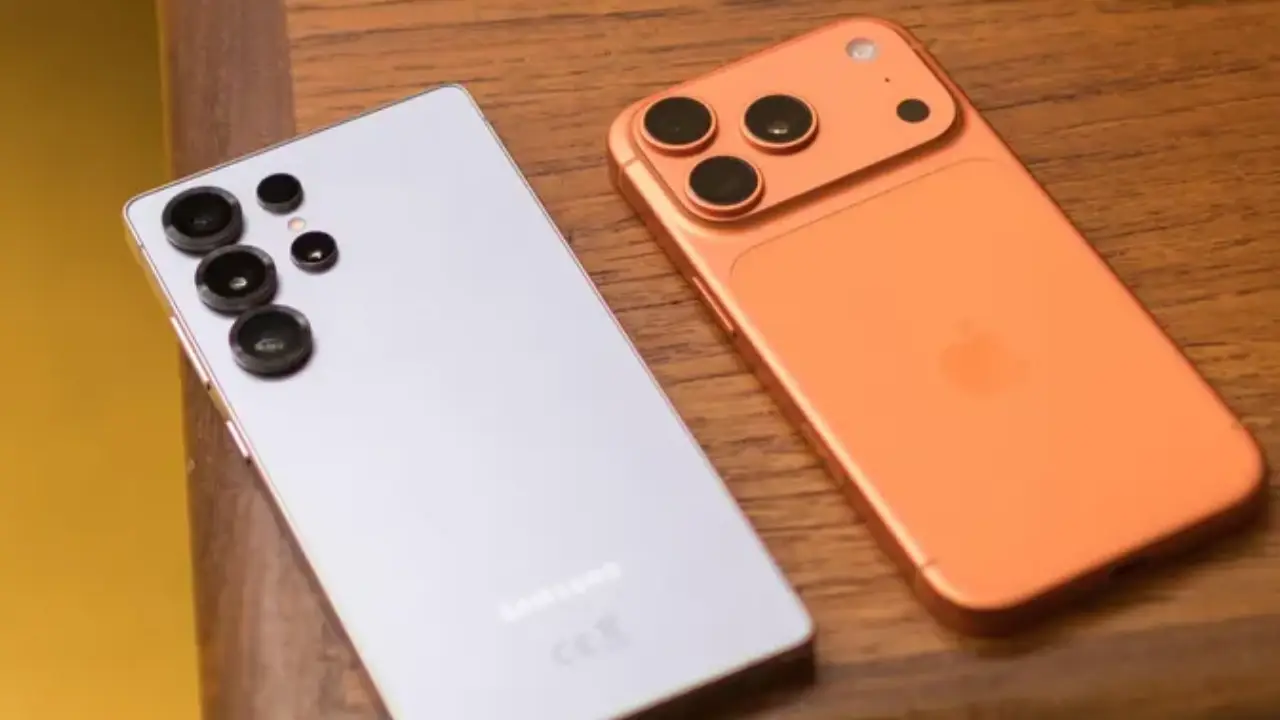
DxOMark, the industry’s most reliable and prestigious independent camera testing lab, has finally released the report that mobile photography enthusiasts have been eagerly awaiting. It seems that Apple has done its homework well this year; according to DxOMark’s detailed and rigorous tests, the iPhone 17 Pro managed to dethrone its rival, the Samsung Galaxy S26 Ultra, by a narrow margin.
The Dance of Sensors: Why Did the iPhone 17 Pro Take the Lead?
According to DxOMark’s comprehensive analysis report, the biggest secret behind the iPhone 17 Pro’s rise to the top is the flawless harmony between hardware and software. Apple’s decision to switch to 48-megapixel resolution for all three rear cameras (Main, Ultra Wide, and Telephoto) for the first time this year has enabled the device to deliver incredible color consistency and detail capture at all focal lengths.
The Image Signal Processor (ISP) inside the new-generation A19 Pro chip performs trillions of operations per second, reducing noise in low light to almost zero.
However, what really earns the iPhone 17 Pro its points and sets it apart from the S26 Ultra is its video recording performance, Apple’s traditional stronghold. DxOMark experts emphasize that the device’s dynamic range in 4K 120 fps video recordings, its optical image stabilization (OIS) success, and its instant focusing speed are unmatched by any other device currently on the market. The zero shutter lag, especially when capturing moving subjects, puts the iPhone 17 Pro a step ahead for professionals who don’t want to miss a moment.
Samsung Front: The “Zoom” King Remains Unbeatable, But…
So, where did the Samsung Galaxy S26 Ultra go wrong in this race? Actually, rather than a mistake, it’s a case of focusing on different usage scenarios. The device’s 200 MP main camera and AI-powered, revamped 50 MP dual periscope telephoto system, to put it bluntly, crushes its competitors in DxOMark’s long-distance zoom (tele-zoom) tests.
If you’re watching a concert or want to capture a detail kilometers away without loss of quality, no phone has yet been produced that can hold a candle to the Galaxy S26 Ultra.
However, when it comes to overall performance, Samsung seems unable to fully shake off some chronic issues. The DxOMark report notes that the S26 Ultra is not as stable as the iPhone 17 Pro in balancing exposure under complex lighting conditions (such as portrait shots with intense backlighting). Additionally, occasional minor sharpness losses and shutter lag in photos of fast-moving pets or children stand out as key factors contributing to Samsung’s lower overall score compared to Apple.
Conclusion: What Will Consumers Choose?
It must be acknowledged that both devices push the boundaries of mobile photography, acting as professional studios in your pocket. While DxOMark’s rating declares the iPhone 17 Pro the leader in overall average and video performance, the ultimate winner will be determined by users’ own needs.
If your focus is on capturing flawless videos, uploading the highest quality content to social media, and getting “consistent” shots in all conditions, the new iPhone 17 Pro is calling your name. However, if your photography vision involves zooming in on distant subjects and cropping down to the finest details with a massive sensor, it will be quite challenging to give up the Galaxy S26 Ultra’s zoom capabilities. Let’s see if Samsung can take its revenge with the S27 series next year.
Your comment has been submitted,
it will be published after approval.