
iPhone 18 Pro vs iPhone 17 Pro: Key Differences Analyzed

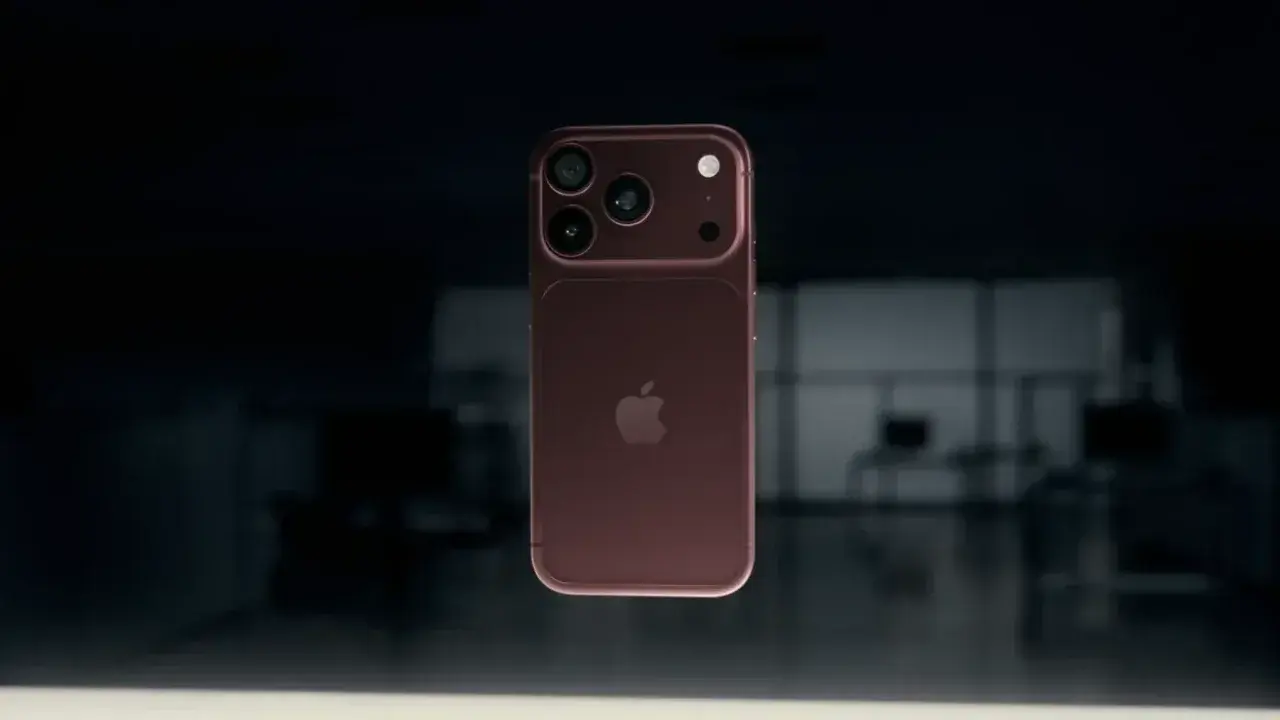
Following its official debut at the Surprise and Shine event on September 9, the iPhone 18 Pro has entered the market as Apple’s latest flagship device. While many design elements remain consistent with its predecessor, the new iteration brings targeted improvements to internal components and photography capabilities. As users weigh the merits of upgrading, this iPhone 18 Pro vs iPhone 17 Pro comparison explores the technical advancements, including the introduction of a variable aperture camera, the A20 Pro chipset, and refined battery performance. Below, we detail how the latest model differentiates itself from the iPhone 17 Pro while maintaining the core identity of the Pro series.
- The iPhone 18 Pro introduces a variable aperture main camera to enhance low-light photography and video quality.
- The device features the new A20 Pro processor, which provides a 20 percent increase in speed compared to the A19 Pro.
- Battery efficiency improvements allow the iPhone 18 Pro to support up to 36 hours of continuous video playback.
- The new model supports faster charging speeds that enable a 50 percent charge in approximately 15 minutes.
Design Aesthetics Remain Consistent
Apple has opted to maintain the structural foundation of the previous generation, utilizing the same aluminum frame design for the iPhone 18 Pro that was praised in the iPhone 17 Pro. The dimensions and weight remain largely unchanged, ensuring a familiar ergonomic feel for existing users. 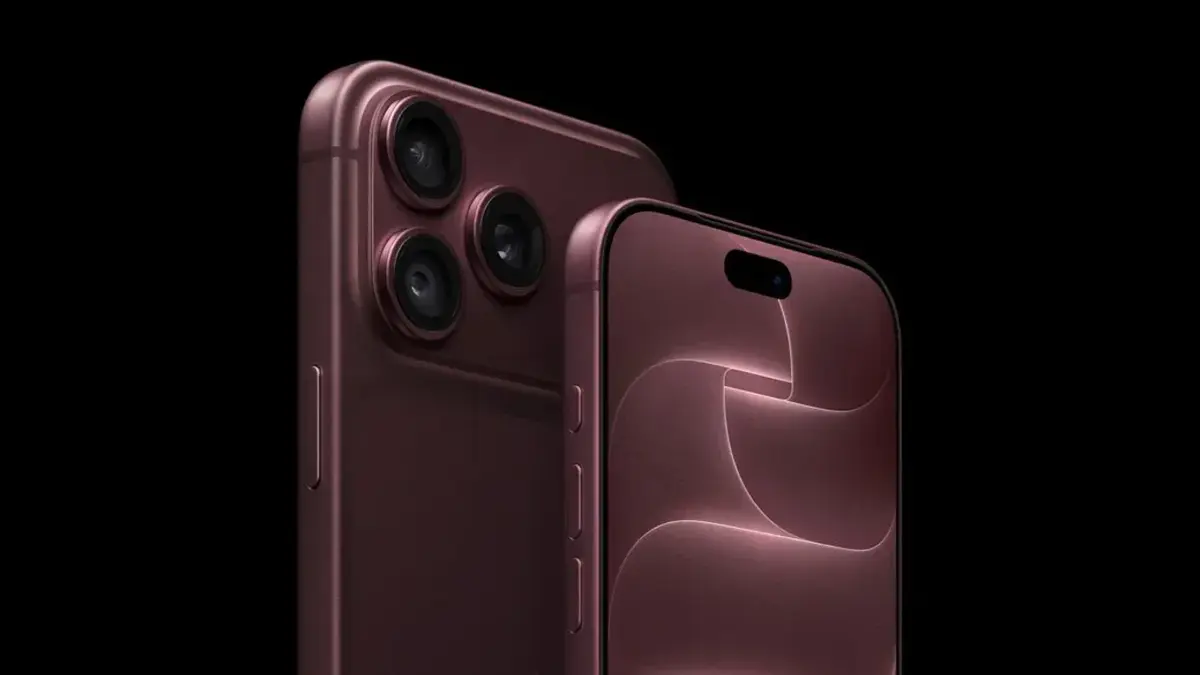
Visual differentiation is primarily achieved through a refreshed color palette. The latest lineup introduces signature options including deep burgundy, icy blue, and a refined dark black, alongside the traditional silver finish. These aesthetic choices emphasize a premium look without altering the established form factor.
Display Specifications Stay the Same
When analyzing the display, it becomes clear that Apple has prioritized consistency over radical redesigns. Both the iPhone 18 Pro and the iPhone 17 Pro utilize an identical 6.3-inch OLED panel. 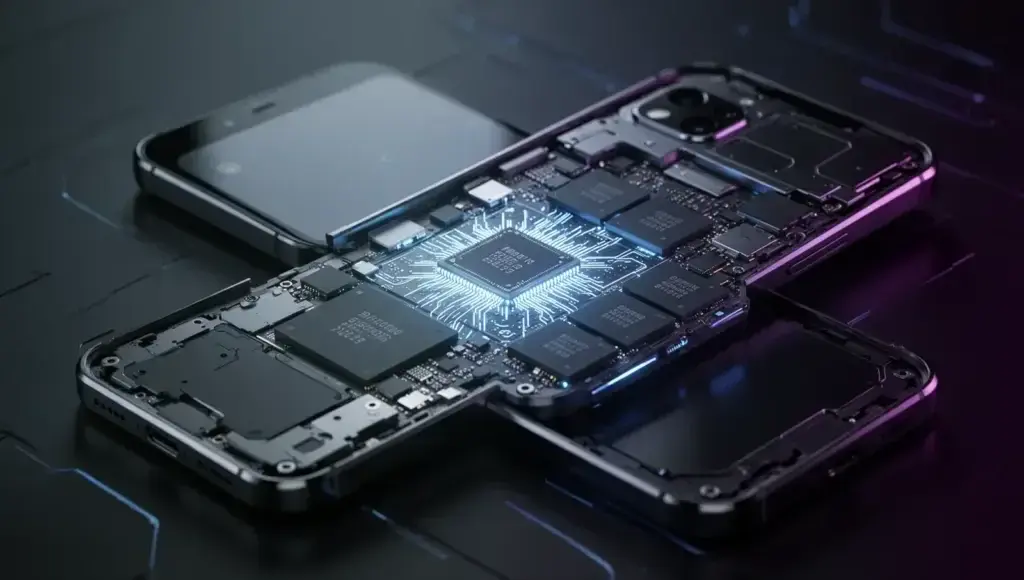
The display continues to offer a resolution of 2622 x 1206 pixels and supports the ProMotion technology for a 120Hz refresh rate. Contrary to early rumors suggesting a potential increase in peak brightness, the iPhone 18 Pro maintains the same luminance levels as its predecessor, ensuring a uniform visual experience across both generations.
Performance Capabilities Experience Significant Boosts
The most notable technical advancement in this comparison is the integration of the A20 Pro chipset. This new processor is engineered to be 20 percent faster than the A19 Pro, providing substantial gains in computational power. Furthermore, the GPU performance has seen a 40 percent improvement, which significantly enhances the device’s capability to handle graphically demanding mobile games.
To support this increased power, Apple has overhauled the internal cooling system. This upgrade ensures that the iPhone 18 Pro can sustain peak performance levels for longer durations without experiencing thermal throttling, maintaining a stable gaming experience for extended sessions.
Battery Life and Charging Improve
While the physical battery size has only seen a marginal 2 percent adjustment, the overall efficiency of the device has improved by 10 percent. The iPhone 18 Pro is now capable of delivering 36 hours of video streaming, compared to the 33 hours offered by the iPhone 17 Pro. 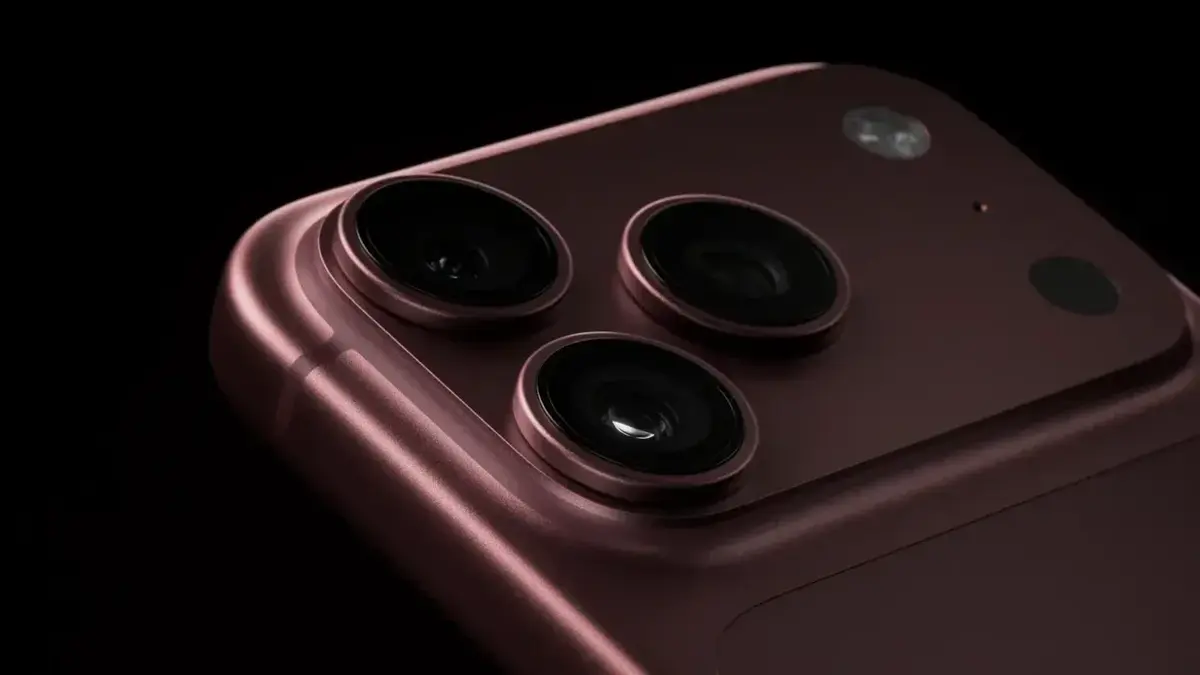
Charging infrastructure has also received a critical update. With a compatible charger, the iPhone 18 Pro can reach 50 percent capacity in just 15 minutes, representing a meaningful reduction in downtime for power users.
Camera Technology Provides New Versatility
The primary photographic upgrade centers on the main lens, which now features a variable aperture system. Unlike the fixed f/1.78 aperture of the iPhone 17 Pro, the new main camera allows users to adjust the aperture dynamically between f/1.48 and f/4.0. This added control gives photographers greater flexibility in managing light intake and depth of field, marking a significant step forward for mobile imaging.
We would love to hear your thoughts on these new upgrades. Do you think the improvements in the camera and processor justify an upgrade to the latest model, or are you holding out for more significant changes in future releases? Please share your perspective in the comments section below.
Your comment has been submitted,
it will be published after approval.