
New allegations shaking up Apple’s traditional launch schedule have caused a stir in the tech world. According to reliable sources, the standard iPhone 18 release date may be postponed from the usual autumn period to the early months of 2027. This strategic shift could fundamentally alter Apple’s product lineup and marketing calendar, redefining how users access new iPhone models. This move by the company may be aimed at both adapting to market dynamics and overcoming challenges in the supply chain.
Why the iPhone 18 Release Date Could Be Pushed to 2027
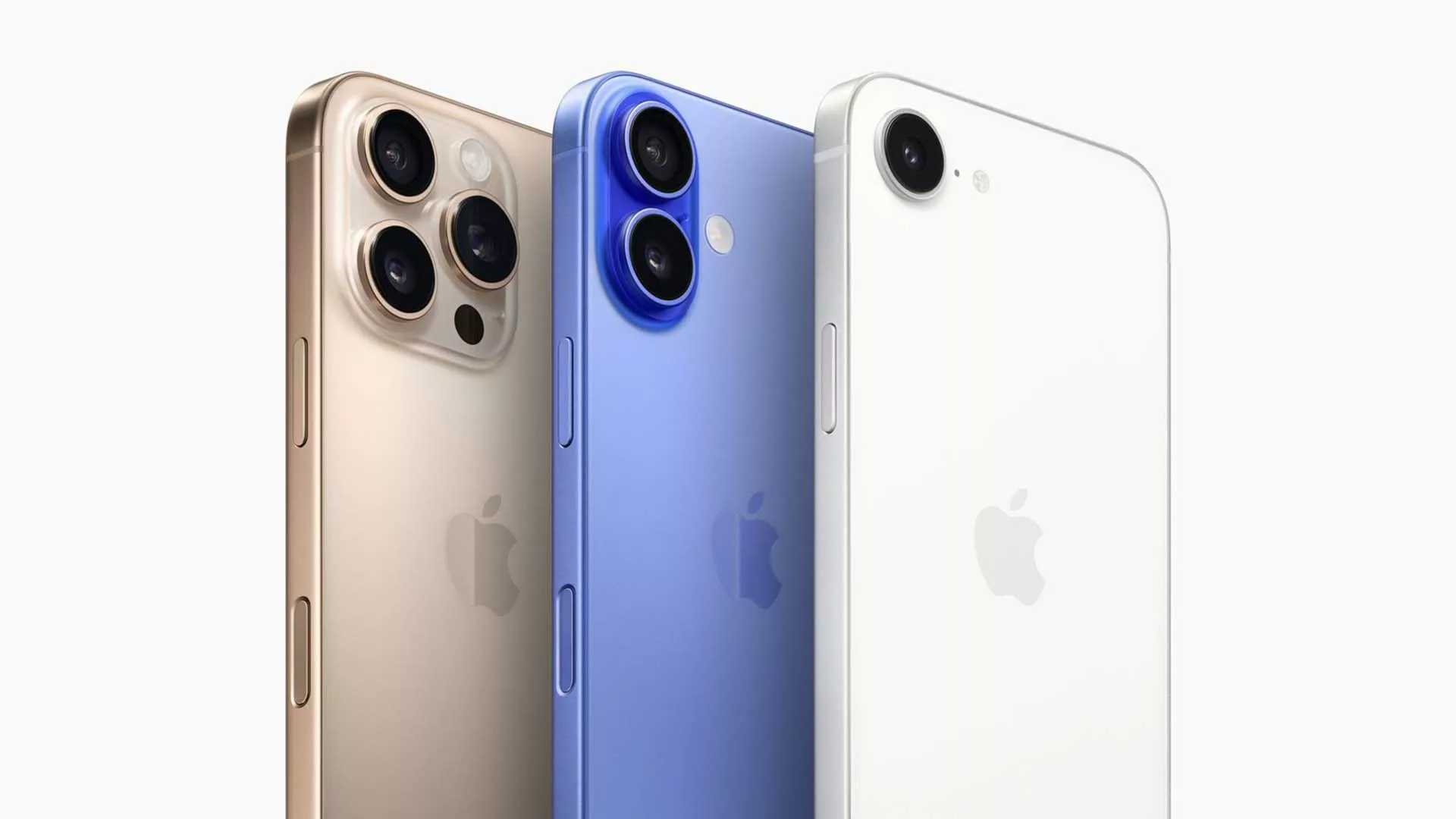
A recent report from Nikkei Asia, a leading tech publication, has once again confirmed claims previously made by The Information, Bloomberg, and renowned analyst Ming-Chi Kuo. According to these reports, Apple is preparing to make a significant change to its long-standing September launch tradition. Under the new planned schedule, only the premium models, the iPhone 18 Pro and iPhone 18 Pro Max, will be introduced in the fall of 2026. Additionally, the long-awaited first foldable iPhone is also expected to debut at this launch event.
In contrast, the launch of the standard model of the series, the iPhone 18, will be moved to the first half of 2027. This indicates that Apple intends to further distinguish between its standard and Pro models in terms of both timing and marketing. Furthermore, rumors suggest that a new model named “iPhone 18e” will be released alongside the standard model during the same period. The reasons behind this radical calendar change are quite strategic.
The Strategy Behind Apple’s New Launch Plan
Several key factors lie behind Apple’s decision to delay the release of the standard iPhone model. These factors are aimed at helping the company gain a competitive advantage in the market and increase its operational efficiency.
- Supply Chain and Memory Crisis: The global tech industry occasionally faces supply shortages, especially for memory components (DRAM and NAND). Launching all new iPhone models simultaneously sharply increases demand for these components, raising costs and causing production bottlenecks. Separating the launches will give Apple the flexibility to manage parts procurement more easily and minimize the impact of a potential memory crisis.
- Maintaining Year-Round Market Dominance: Traditionally, Apple holds a major launch in September and tries to maintain that momentum for the rest of the year. However, this creates a gap in the first half of the year, especially against competitors like Samsung’s Galaxy S series. Introducing a new standard iPhone model in early 2027 will ensure Apple has a current and powerful flagship in the market throughout the year.
- Focus on Pro Models: Dedicating the fall event solely to the Pro series and innovative products like the foldable phone could further enhance the perception of these devices. This would allow Apple to make this event, where it showcases its most advanced technologies and designs, more exclusive and premium.
Other Expected Models: iPhone 18e and iPhone Air 2
The leaks are not limited to the postponement of the standard model. It is also rumored that Apple will add new members to its product line. The meaning of the iPhone 18e, expected to be introduced with the standard iPhone 18 in the first half of 2027, is still unclear. It is speculated that the ‘e’ suffix could indicate a more affordable version or a model focused on a specific feature, similar to the iPhone SE series.
Meanwhile, the fate of another highly anticipated model, the ultra-thin iPhone Air 2, remains uncertain. Some sources suggest this model will be unveiled in the fall of 2026 along with the Pros, while others claim it will be introduced in the first quarter of 2027. The expectation that the thin and light trend from the iPad Air and the new iPad Pro will also be reflected in the iPhone makes this model very exciting for tech enthusiasts.
So, what are your thoughts on Apple’s new iPhone launch strategy? Share your opinions with us in the comments!