


The foldable iPhone project, which the tech world has awaited for years, has hit unexpected hurdles just as it approached the mass production stage. Apple’s perfectionist approach is causing serious friction within its supply chain. Recent reports suggest that uncertainties regarding material choices and production costs are threatening the timeline planned for 2026.
Indecision in Material Selection: Titanium or Liquid Metal?
Apple is known to be aiming for a “zero-crease” and maximum durability design to differentiate itself from competitors in the foldable market. However, the materials to achieve this goal have not yet been finalized. The company is reportedly torn between 3D-printed titanium alloy and liquid metal for the chassis and hinge structure.
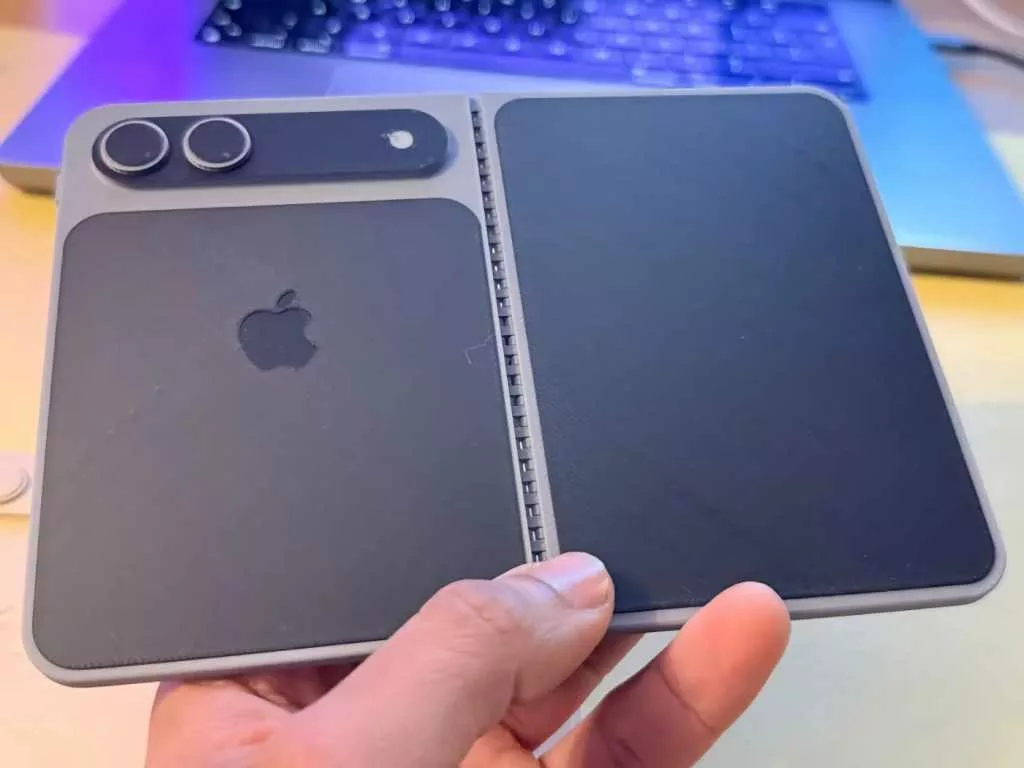
- Titanium Alloy: Offers incredible lightness and high durability.
- Liquid Metal: Superior in flexibility and wear resistance, but presents a challenge for engineers.
The difficulty in processing both materials and their high costs are among the primary factors slowing down the transition to the mass production line.
Price Negotiations with Suppliers Heat Up
The core issue between Apple and its suppliers isn’t just technical—it’s financial. Apple is attempting to lower component costs to keep the starting price of the iPhone Fold around the $2,000 mark. However, the costs of components like the Ultra-Thin Glass (UTG) panel, specialized hinge systems, and the next-generation A20 Pro processor are pushing this limit.
Claims suggest that agreements have not yet been reached with manufacturers of several key components. Despite Apple’s pressure to minimize costs, suppliers are reportedly refusing to back down due to the complexity of the production processes. This situation could directly impact not only the design but also the release date.
Leaked Technical Details of the Foldable iPhone
Despite the production line issues, the technical portrait of the iPhone Fold continues to take shape. According to the latest data from industry sources, we can expect the following features:
- Display Experience: A 7.8-inch main OLED display paired with a 5.5-inch external cover screen.
- Invisible Crease: Apple is said to be working on a specialized layered glass structure that reduces the folding mark to below 0.15 mm.
- Performance: The A20 Pro chipset, manufactured on TSMC’s 2nm process, and 12 GB of RAM.
- Biometric Security: A next-generation Touch ID sensor integrated into the power button, replacing Face ID.
Is the Foldable iPhone in Danger?
While originally expected to be introduced alongside the iPhone 18 Pro series in September 2026, the timeline for the iPhone Fold may slip. Some analysts predict that Apple, refusing to compromise on quality standards, may delay shipments to December 2026 or the first quarter of 2027. If the material and pricing crisis is not resolved soon, Apple’s first foldable phone may once again be pushed to “next spring.”
Apple’s entry into the foldable market seems to be a battle between engineering perfection and economic reality. As an academic interested in consumer culture, do you think the high $2,000 price point will limit the foldable iPhone to a niche “status symbol,” or will the “zero-crease” technology be enough to disrupt the current market? Share your thoughts in the comments!
Would you like me to research the latest production yields from Apple’s UTG suppliers or provide a comparison between the leaked iPhone Fold specs and the Samsung Galaxy Z Fold 8? Let me know!