
Cryptocurrency exchange Binance paid a record fine of over $4 billion in 2023 due to its inadequate anti-money laundering policies. However, a new report published by the Financial Times reveals that the exchange continued to process payments with lax standards even after this agreement. Investigations show hundreds of millions of dollars transferred through 13 private accounts, some linked to terrorist organizations.
Binance continued processing suspicious funds despite the agreement
According to the report, these suspicious accounts processed a total of $1.7 billion in payments, with $144 million of that amount occurring after Binance’s penalty agreement. It is alleged that measures such as preventing individuals whose personal information does not match records from using accounts were not fully implemented, despite promises. Uncertainty remains regarding the source and targets of the suspicious activities.

The report also highlights specific examples. A Brazilian user whose ID file is over twenty years old and whose date of birth is illegible is alleged to have received over $10 million in crypto assets, including funds from addresses linked to the terrorist group Al-Law. Similarly, over $100 million in funds flowed through an account belonging to a Venezuelan woman who changed her bank details 647 times in fourteen months.
Anti-money laundering lawyers who examined the data noted numerous red flags that would be obvious to compliance teams at a traditional bank. Binance officials, responding to a request for comment from the Financial Times, rejected the allegations as “extremely sensational.” This report supports claims made last month by the International Consortium of Investigative Journalists, which shared similar findings.
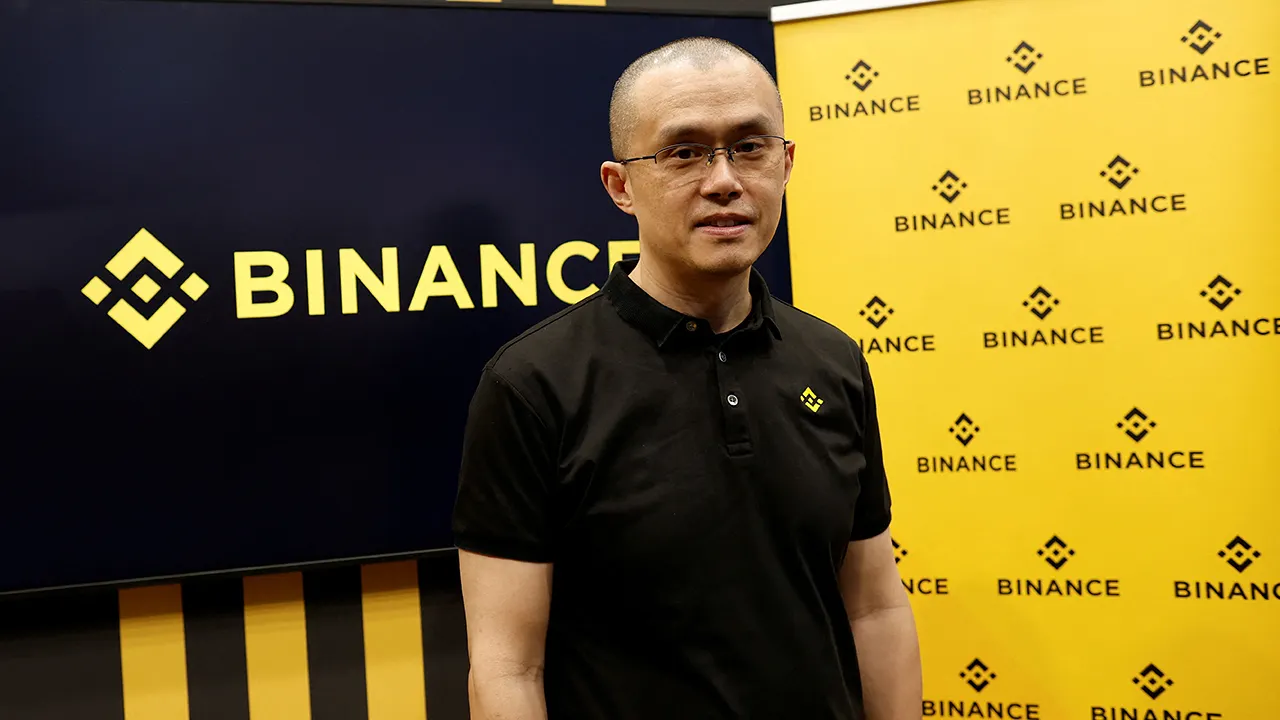
Meanwhile, the pardon of former Binance CEO Changpeng “CZ” Zhao by President Trump remains in the headlines. This pardon has drawn criticism due to the business relationship between Binance and the Trump family’s project, World Liberty Financial. It is known that there is a $2 billion stablecoin deal between the two entities and that integrations are strengthening.
While CZ was pardoned, Keonne Rodriguez, co-founder of the privacy-focused Samourai Wallet, surrendered to a five-year prison sentence on money laundering charges, despite not storing user funds. Critics argue that the developers’ requests for pardons were denied because they had no business ties to the Trump family. However, Trump stated last week that he would consider a potential pardon for these developers as well.
Binance responded to the allegations today with the following statement: “We take compliance extremely seriously and do not accept the framing used in the Financial Times article. Transactions are evaluated based on the information available at the time they were executed. At the time the activities referred to in the Financial Times article took place, none of the wallets mentioned in the article were on the sanctions list.
Binance operates to the highest standards in anti-money laundering (AML), sanctions screening, and cooperation with law enforcement. Furthermore, Binance has been operating under the supervision of an independent oversight mechanism since 2023. Binance fully complies with all applicable financial sanctions. Compliance and user security are among our highest priorities.”
What are your thoughts on the impact of security measures, regulations, and political developments on the cryptocurrency exchange market? We await your comments.