
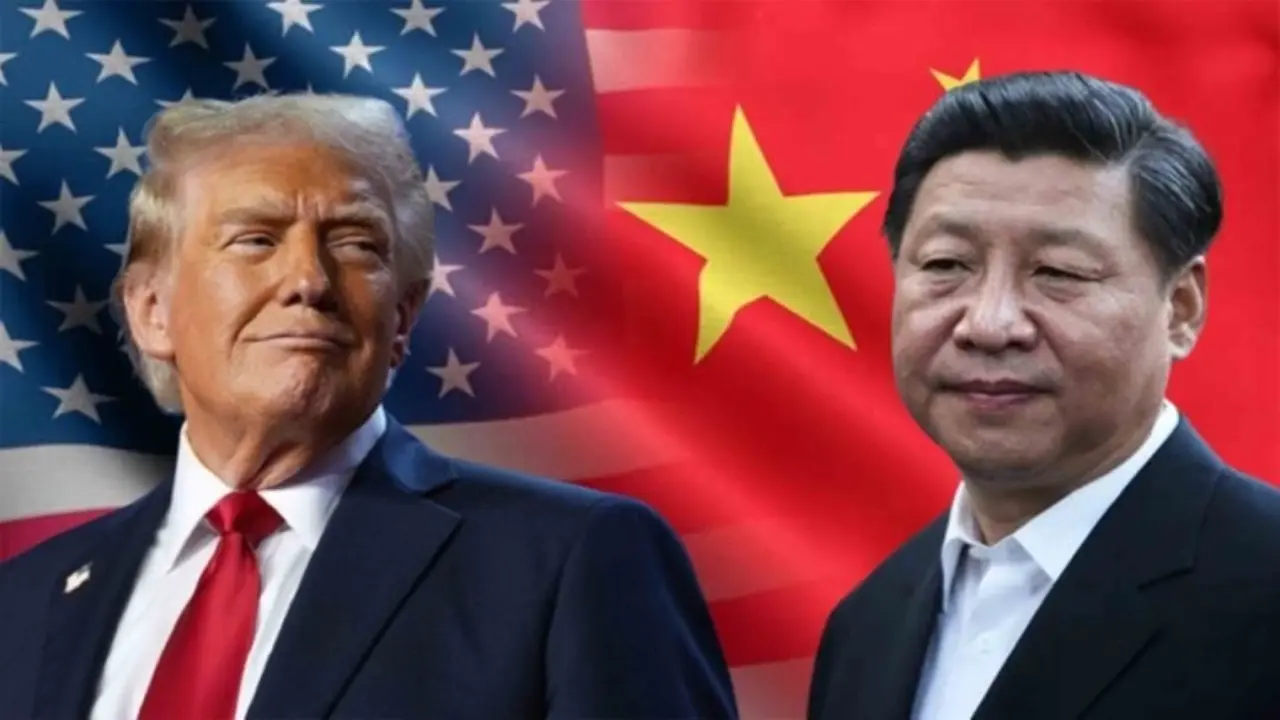
The trade tension between the US and China has entered a new phase after the parties made mutual commitments following the talks held in Geneva. At the end of the talks, the two countries reached agreements that will reshape economic cooperation by removing various restrictions. The details of the agreement will play a decisive role in the trade relations of the two countries after the increasing tensions in recent months.
The trade war between the US and China is ending
US Secretary of Commerce Howard Lutnick announced that China will supply rare earth elements and in return, the US will lift certain sanctions. These elements are among the strategic resources that play a key role in high-tech production. The supply of these minerals, which are used in many areas from wind turbines to fighter jets, has long been among the issues that the US has prioritized.
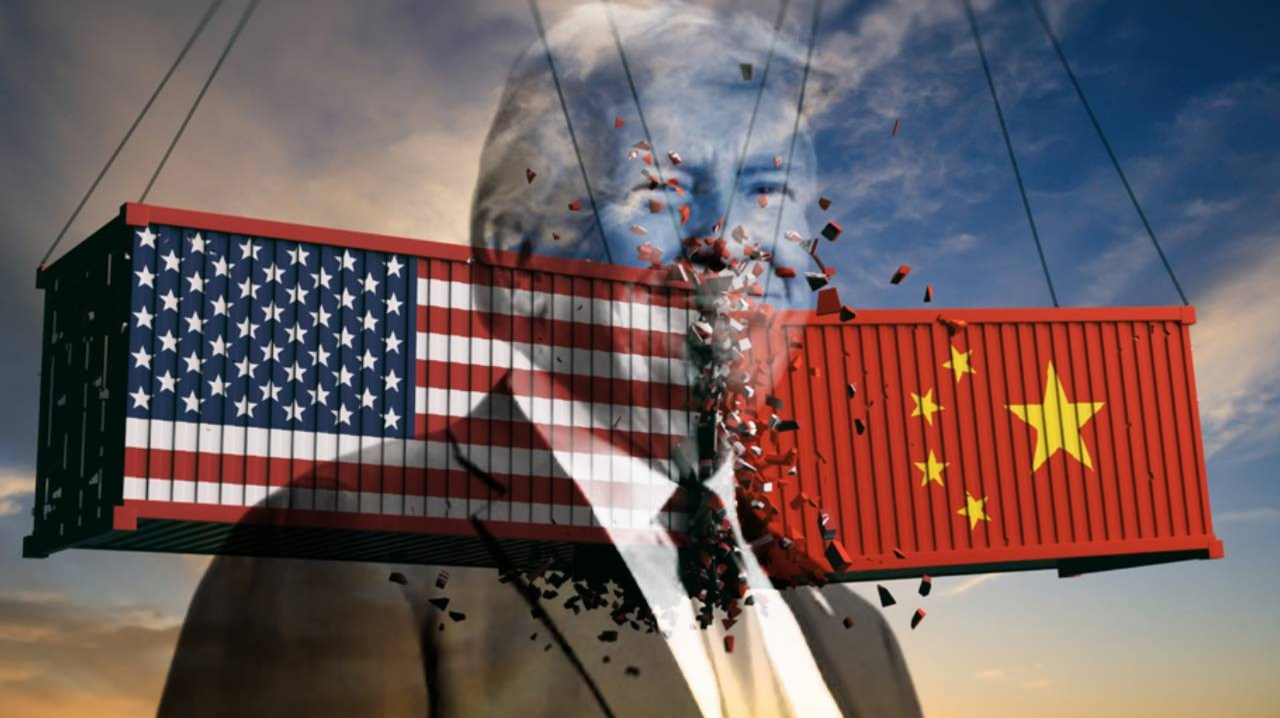
In a statement made by the Chinese Ministry of Commerce, it was stated that applications in accordance with the law for exports from the country will be approved. The same statement included information that the US will lift a number of restrictions on China in return. The Chinese side stated that the agreement has the potential to reduce misunderstandings between the two countries, increase cooperation and ensure the stable development of economic relations.
Donald Trump announced in a brief statement the other day that a new trade agreement had been signed with China. While no details were given in the statement, the content of the agreement became clear with Lutnick’s statements. Lutnick also stated that the US aims to make similar agreements with 10 more major trading partners by July 9. India and Japan are among the countries where negotiations are accelerating in this process.
The Trump administration plans to re-instate the customs duties it suspended in April at the beginning of July. These duties will be tariffed with rates of up to 50% on some product groups. However, countries with which agreements have been signed will be excluded from these rates.