
Is Upgrading to iPhone 18 for Siri AI Worth It?

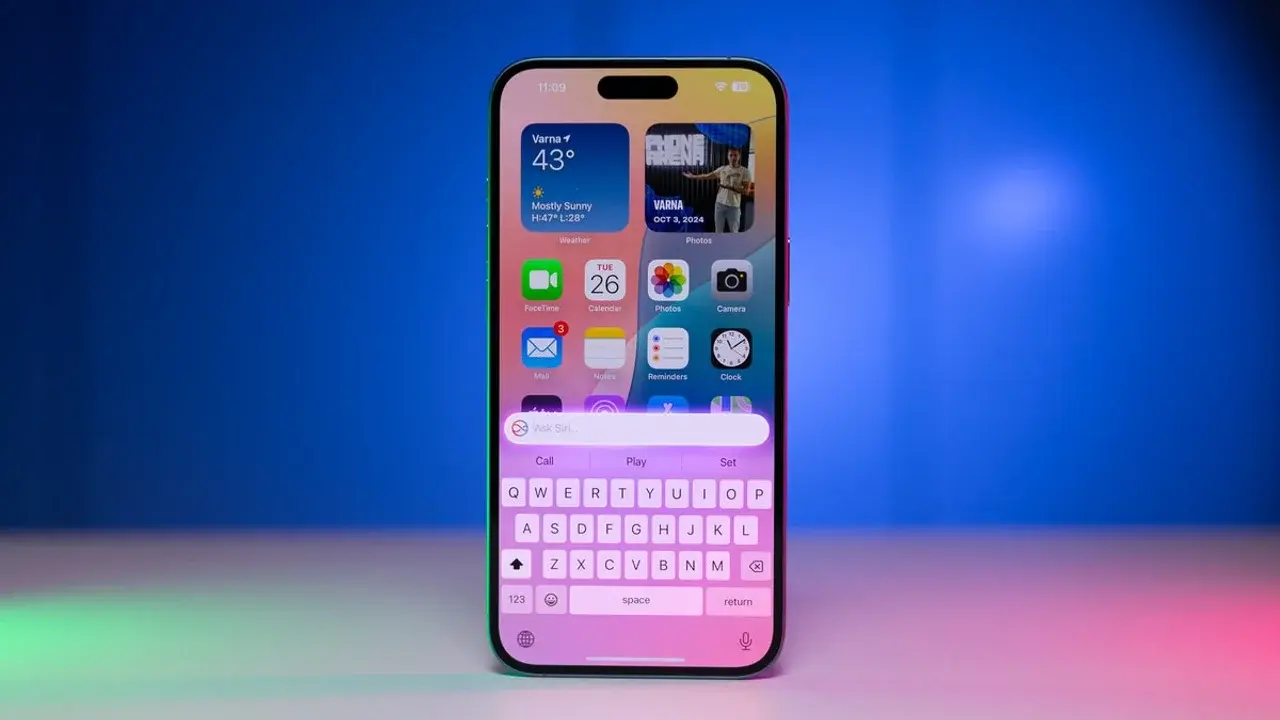
Following the 2026 WWDC event, Apple announced the upcoming integration of Siri AI via the iOS 27 update, sparking significant debate among consumers regarding the necessity of upgrading from the iPhone 17 to the iPhone 18. While both device generations possess the hardware capacity to support these advanced artificial intelligence features, the extent of functionality remains tied to specific hardware configurations, most notably RAM capacity. As users weigh the performance benefits against the financial cost of a new device, the decision to upgrade depends less on software parity and more on individual hardware requirements and long-term utility expectations.
- Both iPhone 17 and iPhone 18 models support the vast majority of new Siri AI capabilities.
- Hardware-specific limitations restrict certain advanced dictation and vocal features to the newer model.
- The A20 chip and 12GB of RAM provide distinct performance advantages for power users.
- Consumer demand remains focused on core hardware efficiency rather than software-based AI tools.
Siri AI Features Remain Largely Consistent Across Models
Apple intends to redefine the user experience with Siri AI, introducing features such as screen awareness, personal context understanding, and advanced app automation. These capabilities will be available to both iPhone 17 and iPhone 18 users, minimizing the functional gap between the two devices. The only meaningful differentiation lies in minor functions like enhanced vocal synthesis and system-wide dictation optimization.
Upgrading to a newer model solely for these marginal software improvements may not be an economically sound decision for most users.
Hardware Advancements Influence the Decision Process
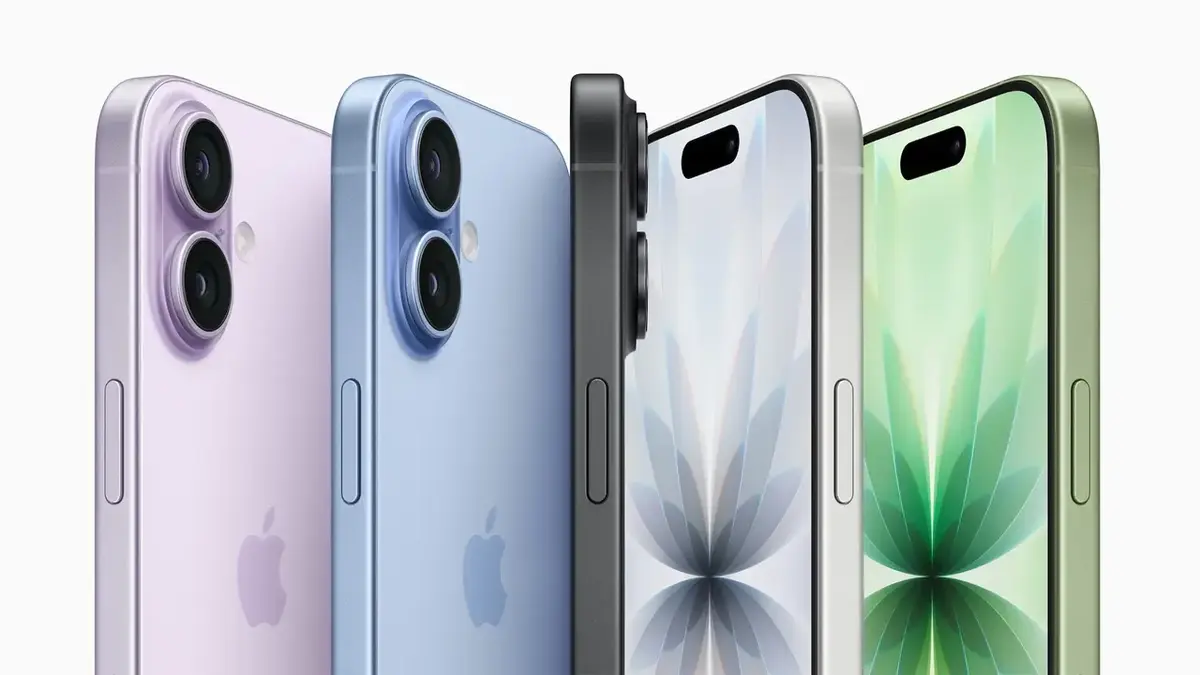
While Siri AI dominates the headlines, the iPhone 18 offers tangible hardware upgrades that may justify the investment for professional users or mobile gamers. The inclusion of 12GB of RAM represents a significant leap for multitasking capabilities and running intensive AAA games. Furthermore, the 2nm architecture of the A20 chip ensures superior energy efficiency compared to its predecessor.
Market data suggests that consumers prioritize fundamental performance metrics over artificial intelligence integration. The iPhone 17 has already achieved over 30 million activations in competitive markets like China, proving that core hardware reliability remains the primary driver for high-volume sales. If a user does not require the specific peak processing power of the A20 chip, the current device likely remains sufficient.
Hardware specifications provide more long-term value than software-defined artificial intelligence features.
The Investment Remains Subject to Individual User Needs
Deciding to upgrade should be based on a comprehensive assessment of one’s professional or entertainment needs rather than the allure of new software. The iPhone 17 already provides a fast and efficient daily experience that meets the demands of the average user. Unless an individual specifically requires the extra overhead provided by the latest hardware architecture, the upgrade may not offer a substantial return on investment.
How much weight do you place on AI-driven software features when considering your next smartphone purchase? Are you planning to stick with your current iPhone 17, or does the prospect of the iPhone 18 tempt you to upgrade? Share your thoughts and upgrade plans with us in the comments section below.
Your comment has been submitted,
it will be published after approval.