
JinkoSolar Unveils High-Efficiency 510 W Tiger Neo 5.0 Solar Panel

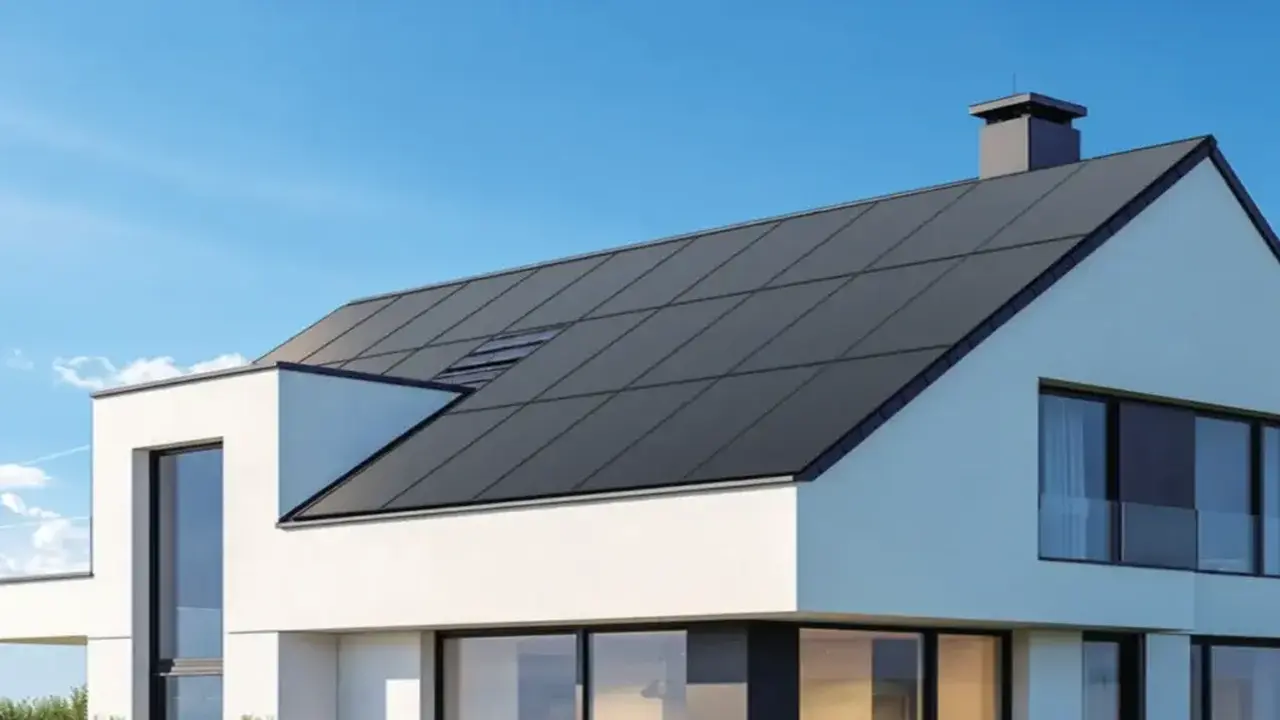
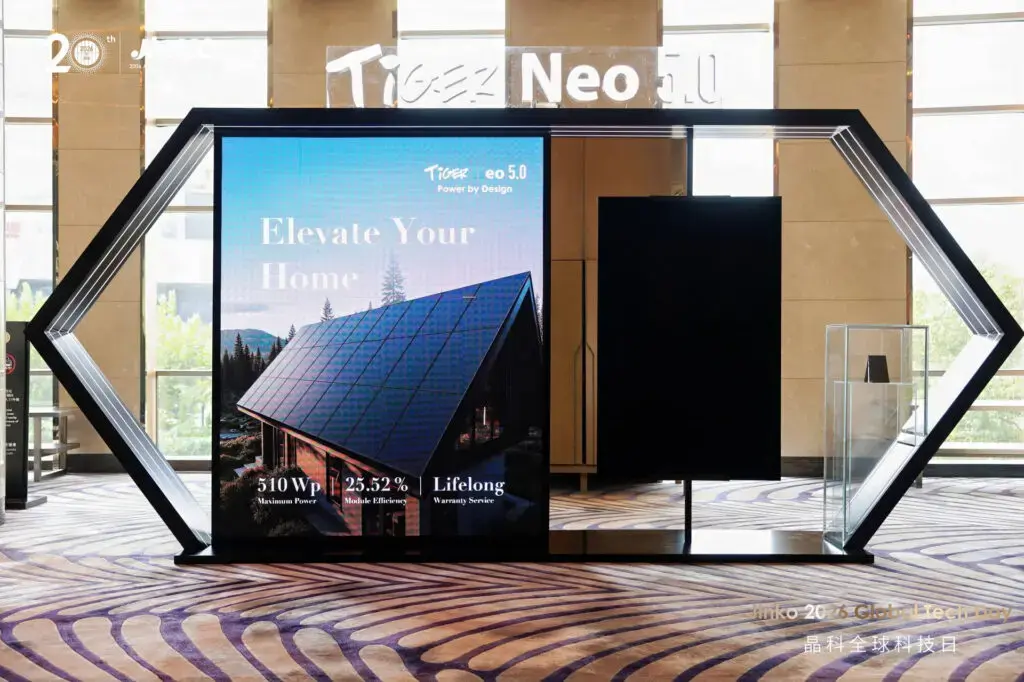
During its Global Tech Day held on October 16-17 in Shanghai, JinkoSolar, one of the world’s leading solar module manufacturers, officially introduced its latest innovation for the residential market: the Tiger Neo 5.0. This new rooftop solar panel features a sleek, all-black design and utilizes a 48-cell configuration to generate an impressive 510 W of power. Achieving a conversion efficiency of 25.52%, the Tiger Neo 5.0 is the first commercial product to integrate the company’s pioneering TOPCon-based Amorphous-Si Passivating Cell (TAC) technology, setting a new benchmark for high-performance residential energy solutions globally.
- JinkoSolar introduced the Tiger Neo 5.0 module to maximize what residential solar systems produce.
- The proprietary TAC technology integrates features that TOPCon and HJT cells provide.
- The new 510 W panel maintains high efficiency even when ambient temperatures increase.
Innovative TAC Technology Combines What Current Cell Designs Offer
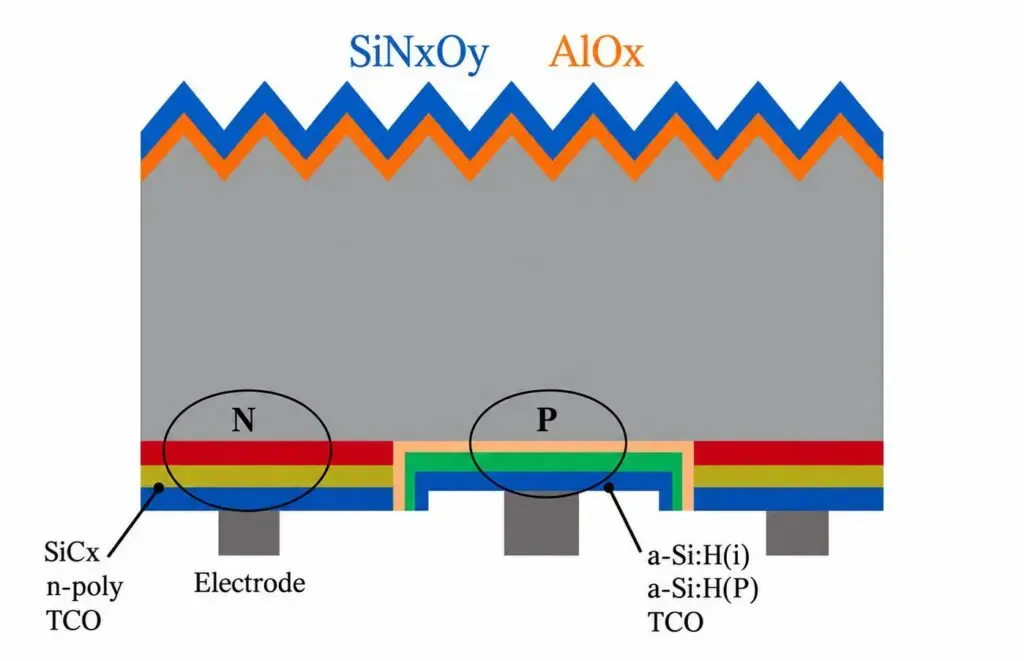
In the current solar market, two primary cell technologies dominate the landscape: TOPCon and Heterojunction (HJT). TOPCon is widely favored for its ability to deliver high efficiency at a relatively low production cost, while HJT is recognized for its superior performance in mitigating surface losses and its lower manufacturing temperatures. JinkoSolar has sought to bridge the gap between these two methodologies through its new TAC (TOPCon-based Amorphous-Si Passivating Cell) technology.
The TAC architecture utilizes the thin oxide layer characteristic of TOPCon for efficient electron transport, while simultaneously incorporating amorphous silicon layers typically found in HJT cells to further minimize surface recombination losses. This hybrid approach allows the cell to bypass traditional efficiency barriers. According to JinkoSolar, this specific design has the potential to reach cell-level efficiencies exceeding 28 percent in the future, marking a significant leap for the industry.
The Tiger Neo 5.0 Module Produces More Energy Than Standard Panels Yield
The Tiger Neo 5.0 is the first commercial application of TAC technology, and its performance metrics are notably high for the residential sector. While standard residential panels often struggle to exceed certain power thresholds within the traditional 48-cell format, this new model reaches 510 W. JinkoSolar notes that this output is approximately 30 W higher than many competing Back Contact (BC) modules currently available on the market.
Back Contact panels have historically been the gold standard for efficiency because they move electrical connections to the rear, allowing the front surface to capture more sunlight. However, JinkoSolar claims that the Tiger Neo 5.0 now holds the title of the world’s most powerful panel specifically designed for rooftop installations. While this claim awaits further verification from independent testing bodies, the initial data suggests a major shift in the competitive landscape for home energy systems.
Thermal Stability Minimizes Losses When Rooftop Temperatures Rise
Heat is a significant factor in the performance degradation of solar modules. As a panel gets hotter, its ability to convert sunlight into electricity diminishes, which is a major concern for rooftop installations that endure intense summer sun. The Tiger Neo 5.0 addresses this issue with a power temperature coefficient of -0.24 %/°C. This means that for every degree the temperature rises above 25 °C, the loss in production is limited to just 0.24 percent.
This thermal stability ensures that the system provides more consistent energy yields throughout the year, especially in regions with warmer climates. By reducing the impact of heat-induced efficiency drops, homeowners can expect more reliable power generation during the peak hours of the day when solar irradiance is at its highest levels.
Premium Aesthetics Address What Modern Homeowners Seek
Beyond technical specifications, JinkoSolar has focused on the visual integration of the hardware. The Tiger Neo 5.0 is positioned as a premium product, specifically designed for luxury residences and villas where aesthetics are a primary concern. The all-black, uniform appearance is engineered to blend seamlessly with dark-colored roofing materials, providing a sophisticated and unobtrusive look.
The company emphasizes that the color tone of the Tiger Neo 5.0 is deeper and more homogeneous than that of existing BC panels. This focus on design ensures that high-performance energy generation does not come at the expense of architectural beauty. Although the specific pricing and regional availability have not yet been disclosed, the product is expected to target the high-end segment of the global solar market.
Residential Efficiency Records Influence How the Global Solar Market Evolves
In the residential solar sector, the primary constraint is often the available roof area. Maximizing the amount of electricity produced from a limited space is crucial because it directly impacts the return on investment and shortens the payback period for the homeowner. As TOPCon technology approaches its theoretical efficiency limits, the industry is entering a new era of experimentation and hybrid designs.
The introduction of the Tiger Neo 5.0 demonstrates that the race for efficiency is far from over. By combining the strengths of competing technologies into a single cell, manufacturers are finding new ways to push the boundaries of what is possible. For markets where residential solar adoption is growing rapidly, such high-efficiency options will be essential for homeowners with limited roof space, provided the price point remains competitive.
What do you think about the shift toward hybrid solar technologies like TAC? Do you believe the aesthetic appeal of all-black panels is a deciding factor for homeowners today? Share your thoughts and questions in the comments below!
Your comment has been submitted,
it will be published after approval.