
Lenovo Googlebook Series Leaked Featuring New AI Capabilities

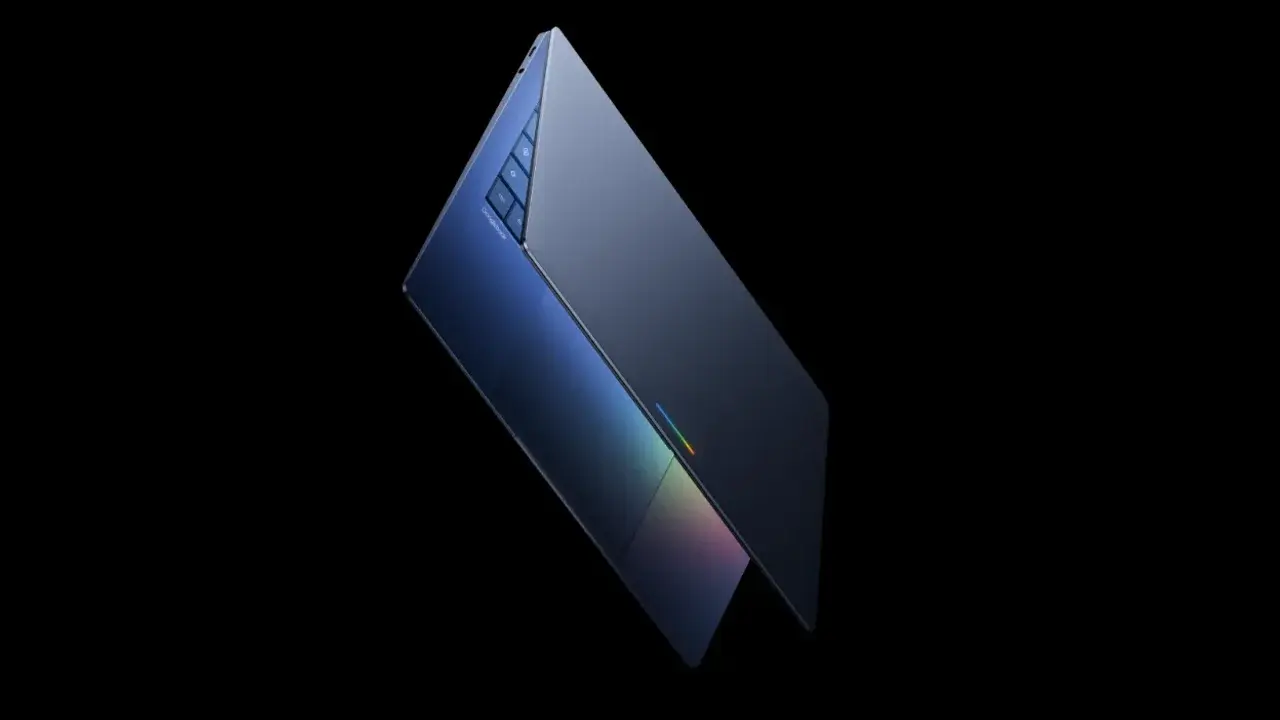
Lenovo is set to disrupt the portable computing market with its upcoming Googlebook series, according to recent leaks from Android Headlines and Digital Citizen. First teased during The Android Show: I/O 2026 Edition, these devices represent a significant shift in hardware strategy for the company. The laptop models, which feature a versatile hybrid design suitable for both traditional computing and tablet use, are expected to officially launch alongside other major manufacturers this autumn. By integrating advanced artificial intelligence directly into the hardware, Lenovo aims to redefine the user experience for both professionals and casual tech enthusiasts alike.
- The new Googlebook series runs on the proprietary Aluminium OS which converges Android and ChromeOS architectures.
- Each device utilizes Intel processors specifically optimized for the Gemini Intelligence framework.
- The accompanying Magic Pointer accessory provides context-aware interaction capabilities for users.
These hybrid devices are poised to bridge the gap between mobile operating systems and high-performance desktop computing.
New Operating System and Hardware Architecture Emerge
The core of the Googlebook experience lies in the new Aluminium OS. This operating system is designed to provide a seamless transition between mobile and desktop environments. By merging the best elements of Android and ChromeOS, Lenovo ensures that users benefit from a vast application ecosystem while maintaining the productivity features required for a laptop format. 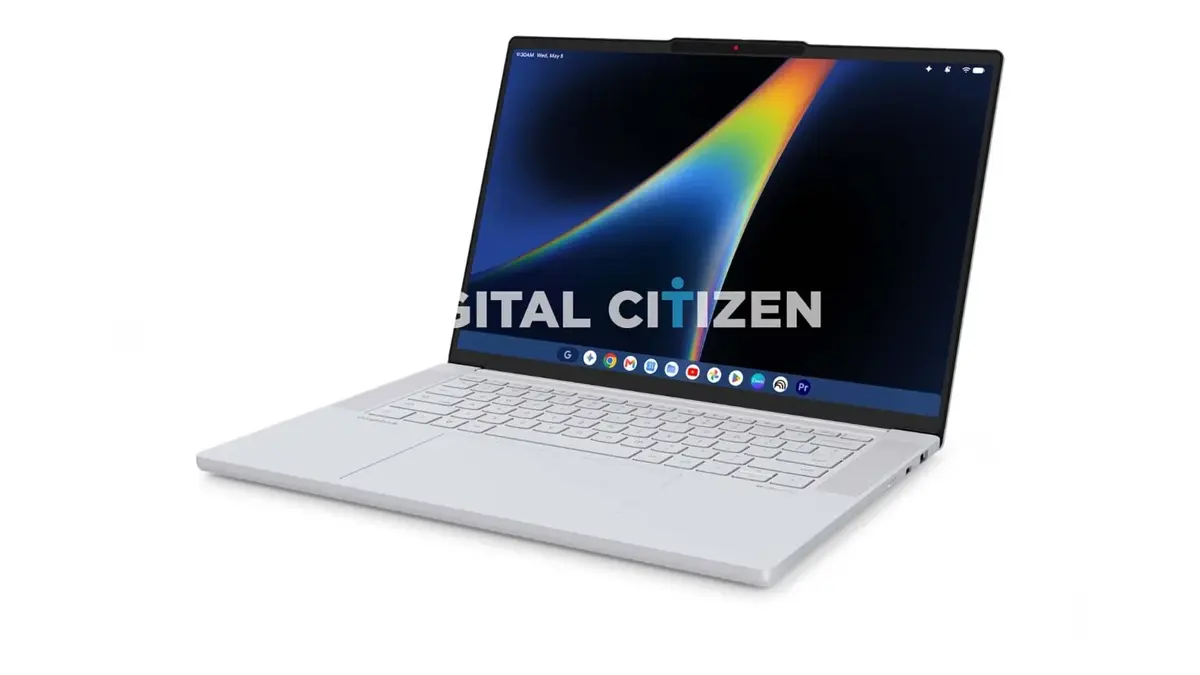
Hardware specifications indicate a heavy reliance on Intel processing power to support generative AI workloads. Gemini Intelligence is integrated at the system level, allowing the hardware to handle complex tasks with efficiency. 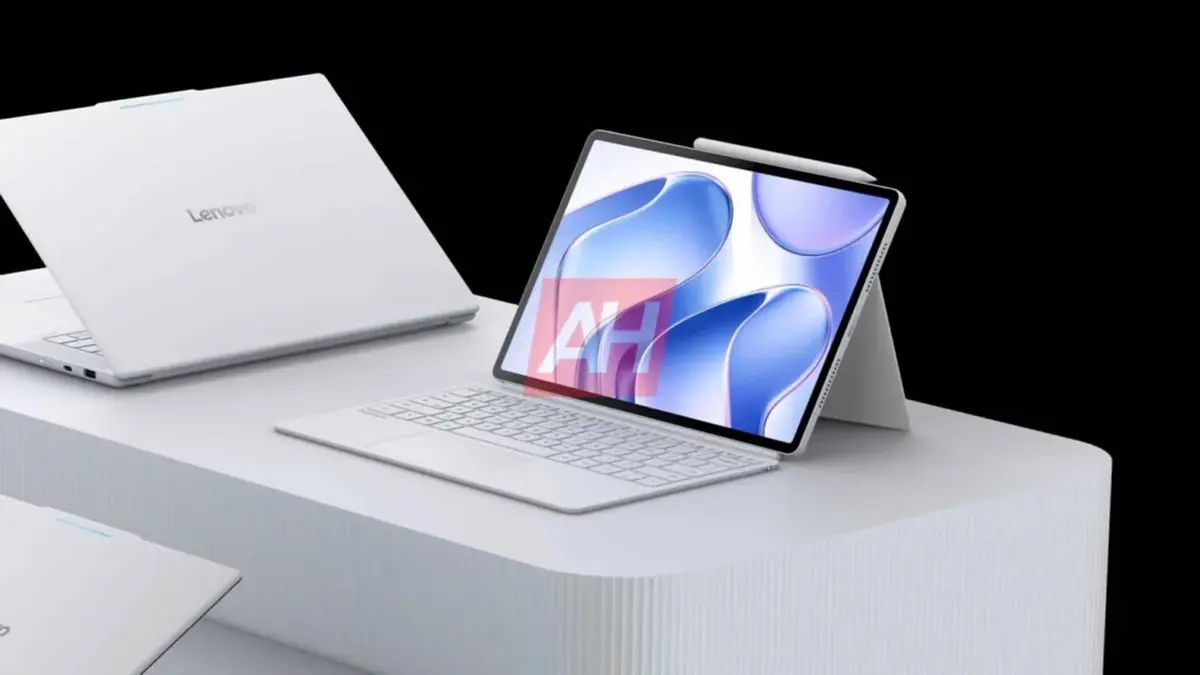 The seamless integration between these laptops and Android mobile devices further enhances the ecosystem, promising a unified workflow that is currently missing from many standard laptop offerings.
Magic Pointer Technology Enhances User Interaction
One of the most innovative additions to the lineup is the proprietary Magic Pointer feature. This peripheral is not merely a standard mouse; it includes a dedicated AI button designed to facilitate rapid interaction with on-screen content. 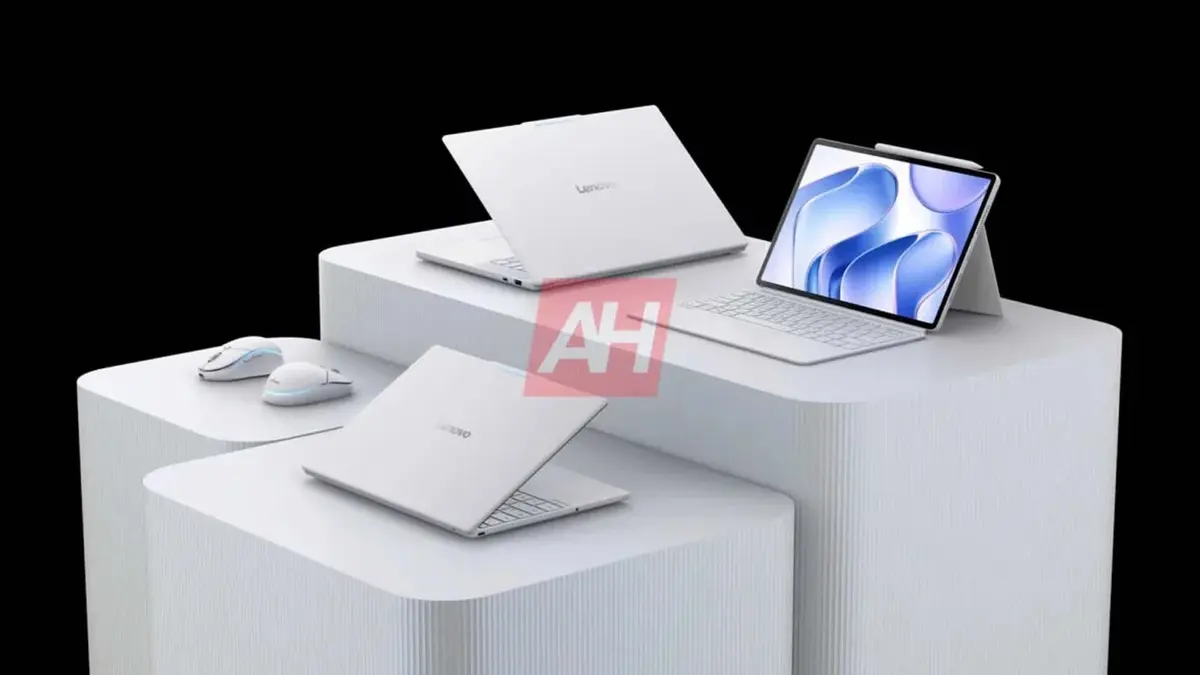 The technology leverages spatial awareness to predict user intent, such as suggesting calendar entries or scheduling meetings based on highlighted text or active windows.
The introduction of the Magic Pointer signifies a shift toward proactive, AI-assisted interface navigation.
Global Market Competition Will Intensify
Lenovo is not alone in this venture, as the industry prepares for a major hardware shift. Major manufacturers including Acer, ASUS, Dell, and HP are also slated to release their own iterations of the Googlebook series later this year. 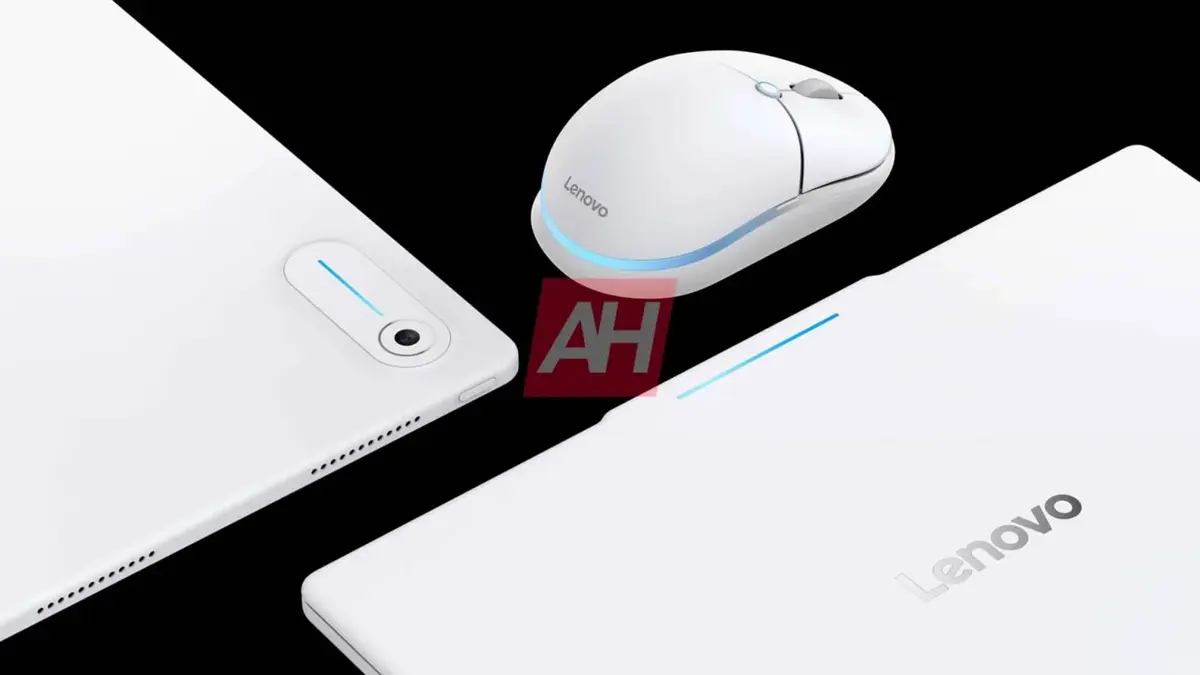 This wave of new releases marks a strategic push by Google to standardize AI-driven computing across multiple hardware partners. Market analysts suggest that the autumn release cycle will be the most competitive period for the laptop industry in recent years, as consumers evaluate the utility of these new AI-centric devices against traditional hardware configurations.
The evolution of the laptop form factor through AI integration is a significant step forward for the industry, but we want to know your perspective on these changes. Do you believe this hybrid design will replace your current workflow, or do you prefer the traditional laptop experience? Share your thoughts in the comments section below.
Your comment has been submitted,
it will be published after approval.