
Lexar Muse Debuts as the World’s Thinnest Portable SSD

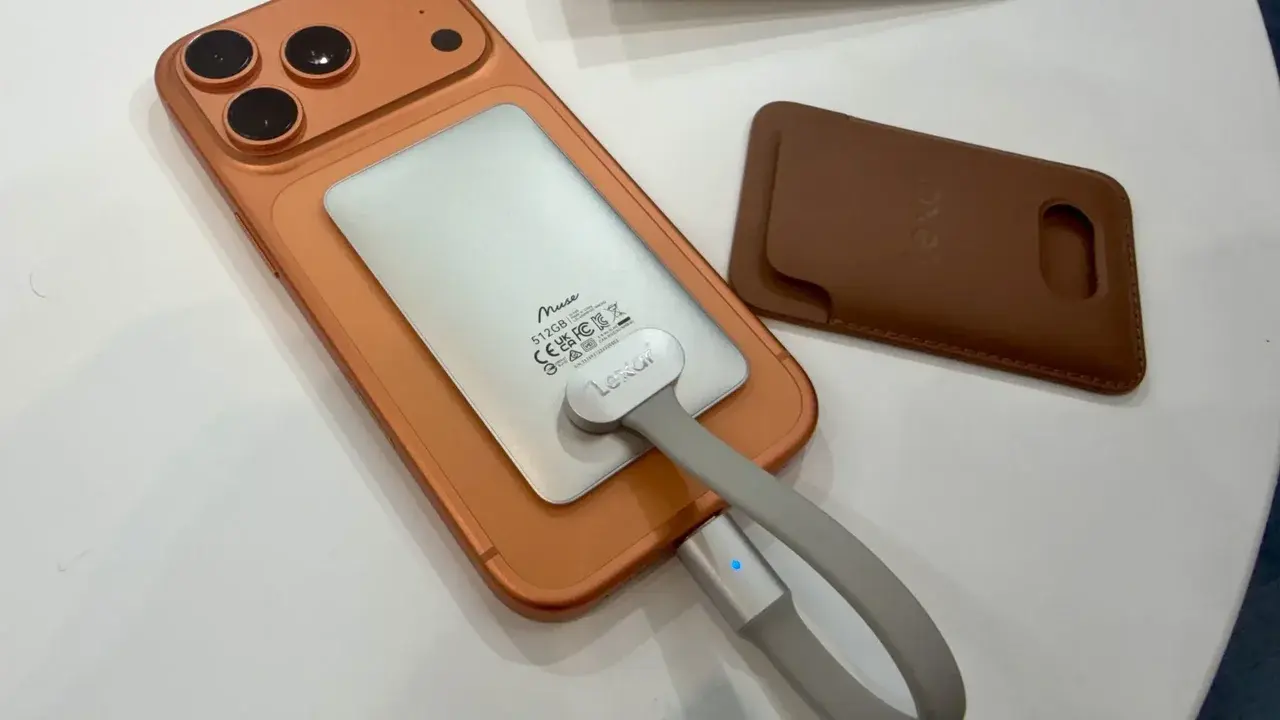
At the IFA 2026 exhibition in Berlin, Lexar officially unveiled the Lexar Muse, a groundbreaking portable SSD that sets a new industry standard for compactness. With a maximum thickness of just 3.8 mm, the device is officially recognized as the thinnest external drive currently on the market. Engineered for professional mobile content creators who prioritize portability without sacrificing performance, the drive features a precision-machined unibody metal chassis measuring 80 x 48 mm. This innovative storage solution aims to redefine how creators manage high-resolution data while on the move, offering a seamless blend of durability and extreme slimness.
- The Lexar Muse achieves a record-breaking thickness of 3.8 mm through high-density NAND stacking technology.
- The device utilizes a magnetic PogoPin connector system instead of a standard USB-C port.
- Sequential read speeds reach 1,050 MB/s while write speeds peak at 1,000 MB/s.
- Two storage configurations of 512 GB and 1 TB will become available in Q4 2026.
Advanced Engineering Techniques Enable Ultra-Slim Profiles
Lexar achieved the razor-thin dimensions of the Muse by implementing a complex engineering overhaul of traditional internal layouts. The company developed a custom PCB architecture specifically designed to facilitate high-density NAND stacking. The metal chassis tapers down to a mere 1 mm at the edges, ensuring the device remains featherlight while maintaining structural integrity. 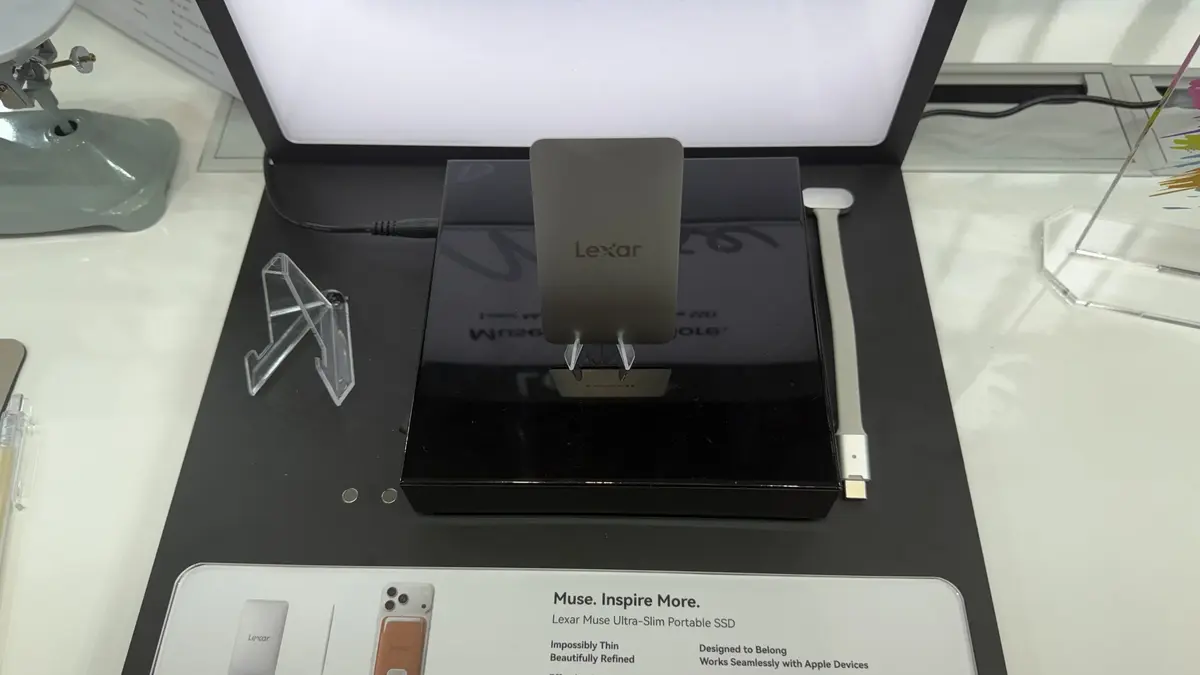 This focus on minimalism does not detract from the premium feel of the hardware, which is designed to withstand the rigors of frequent travel and field production.
Magnetic Connections Replace Traditional Ports
One of the most notable departures from industry standards is the exclusion of a physical USB-C port in favor of a magnetic PogoPin interface. Utilizing N52-grade neodymium magnets, the system ensures a perfect alignment for the SnapLink Magnetic Cable, providing a stable and secure connection for high-speed data transfers. 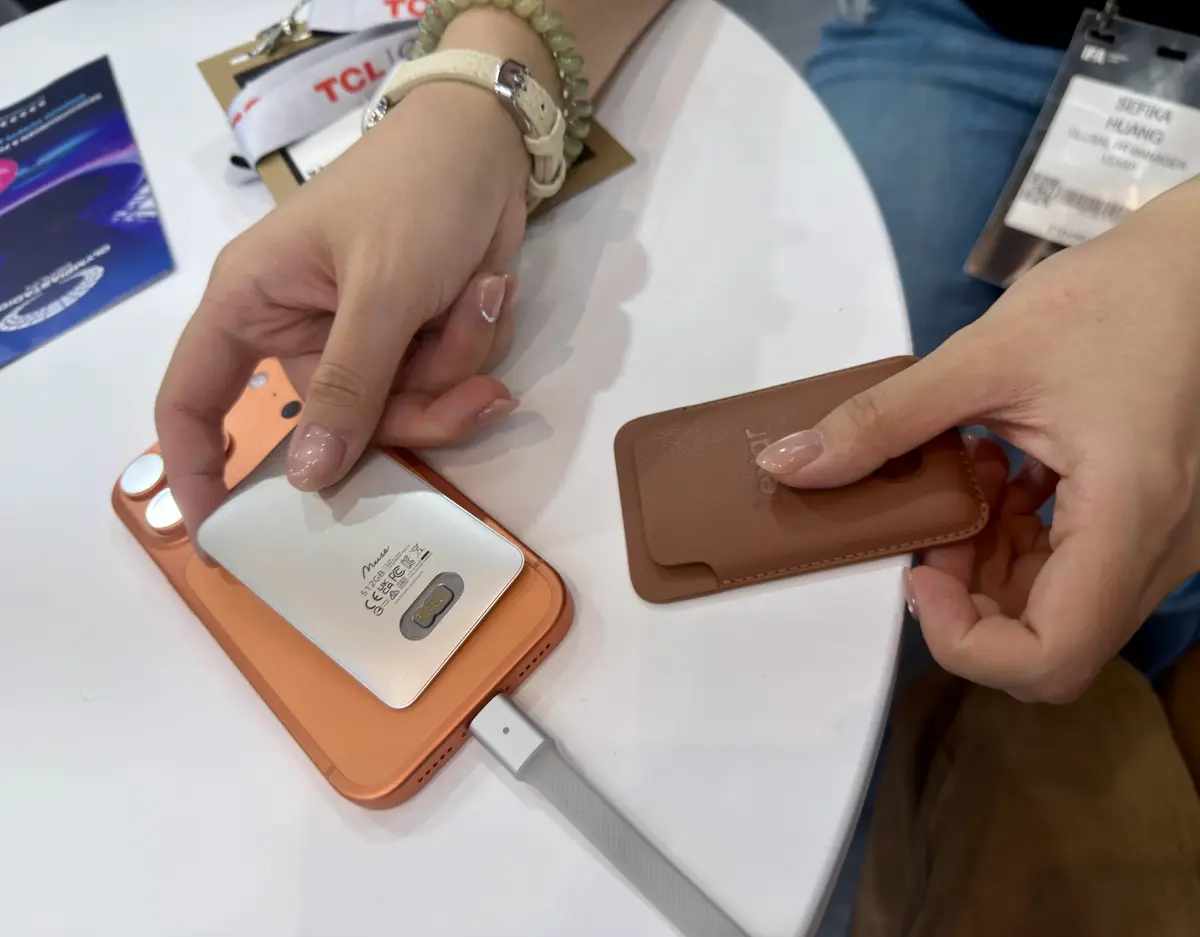 This magnetic attachment mechanism allows the SSD to snap directly onto the back of MagSafe-compatible iPhone models, creating an integrated workflow for mobile videographers. Consequently, users can record Apple ProRes 4K footage at 120 fps directly onto the drive, bypassing the storage limitations of the smartphone itself.
Performance Standards Meet Storage Requirements
Despite the extreme reduction in physical size, the Lexar Muse maintains competitive performance metrics. The drive delivers sequential read speeds of up to 1,050 MB/s and sequential write speeds of up to 1,000 MB/s. These metrics ensure that the device remains capable of handling demanding tasks such as real-time 4K video editing and bulk file management. Lexar plans to offer the drive in 512 GB and 1 TB capacities to cater to different user needs. While the official pricing remains undisclosed, the company has confirmed a target release window for the fourth quarter of 2026. As the storage industry continues to evolve, the Lexar Muse represents a significant leap toward more ergonomic and efficient professional workflows.
We are curious to hear your thoughts on this ultra-thin storage innovation; do you believe the magnetic PogoPin design is the future of portable drives, or do you prefer the universality of standard USB-C connections? Share your opinions in the comments section below.
Your comment has been submitted,
it will be published after approval.