
Linus Torvalds Tells Critics to Fork Linux Over AI


Linus Torvalds, the creator of the Linux kernel, recently issued a definitive response to those opposing the integration of artificial intelligence into software development processes. Addressing the Linux Kernel Mailing List, Torvalds confirmed that AI is now an integral component of the Linux development workflow and asserted that this integration is non-negotiable. He suggested that developers who remain uncomfortable with the use of artificial intelligence within the project are free to fork the codebase to pursue their own development paths. This stance underscores the project’s commitment to technical efficiency over ideological resistance to emerging technologies.
- Linus Torvalds declared that artificial intelligence remains a permanent and essential part of the Linux development ecosystem.
- The Linux leadership maintains that project decisions are based solely on technical merit rather than philosophical objections.
- Prominent kernel maintainers argue that contributors do not have the authority to dictate which tools are used by the core team.
- The community prioritizes the production of superior technology through any efficient means available.
Torvalds emphasized that the Linux project operates to create better technology rather than to serve as a platform for ideological debates.
Artificial Intelligence Remains a Permanent Fixture in Development
While acknowledging that artificial intelligence tools are not yet perfect, Torvalds argued that the focus should be on improving these systems to better assist human developers. Despite some organizations adopting strict bans on AI-generated code, the Linux community continues to prioritize technical output and productivity above all else. 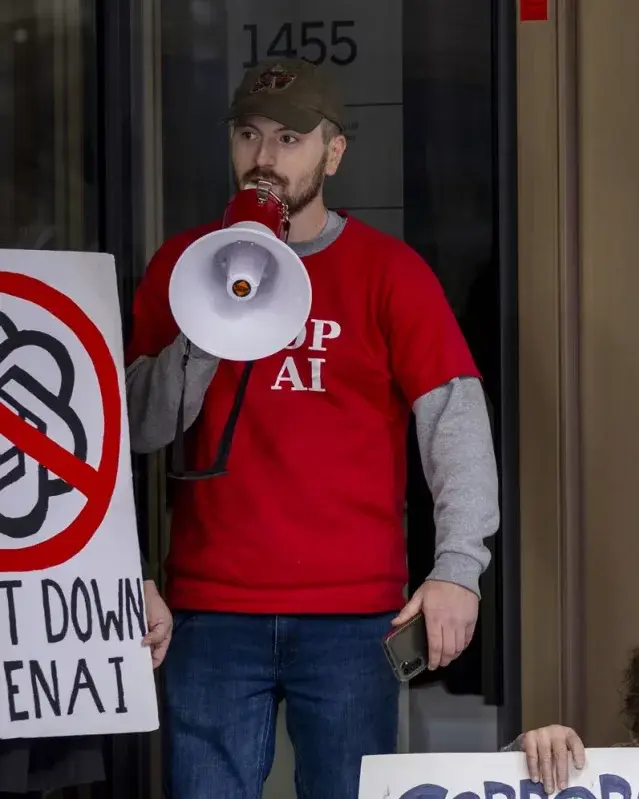
Greg Kroah-Hartman, the maintainer of the Linux stable kernel, noted that while early AI outputs were problematic, modern iterations have become significantly more useful. Advanced systems, such as the 2026-era Anthropic Claude Opus 4.8, demonstrate that AI-assisted productivity is rapidly maturing within the software engineering landscape. This trend has sparked internal debates regarding the role of automation in open-source security and maintenance.
Technical Efficiency Supersedes Alternative Concerns
The role of automation was recently brought to the forefront following a policy statement from the Software Freedom Conservancy. However, senior kernel developer Theodore Ts’o expressed skepticism toward such restrictive policies, warning that rejecting automated technologies could severely hinder necessary technical progress. The prevailing sentiment among core maintainers is that technical advancement must not be sacrificed for the sake of abstract policy preferences.
Other influential contributors like James Bottomley have explicitly stated that individual developers lack the authority to question the toolkits utilized by official project maintainers.
Bottomley further clarified that a single developer’s personal stance against artificial intelligence cannot be used to restrict the rights of others to leverage those tools for the greater good of the project. Torvalds concluded the discussion by reiterating that the project will continue to ignore anti-AI sentiment in favor of maintaining a high-performance development cycle. By grounding every decision in technical necessity, the Linux project aims to sustain its position as the leading force in global software infrastructure.
How do you believe the integration of artificial intelligence will fundamentally reshape the future of open-source collaboration? Share your thoughts on whether you think this shift marks a necessary evolution for global software development.
Your comment has been submitted,
it will be published after approval.