
Locally Produced Hyundai IONIQ 3 Misses Out on Credit Incentives

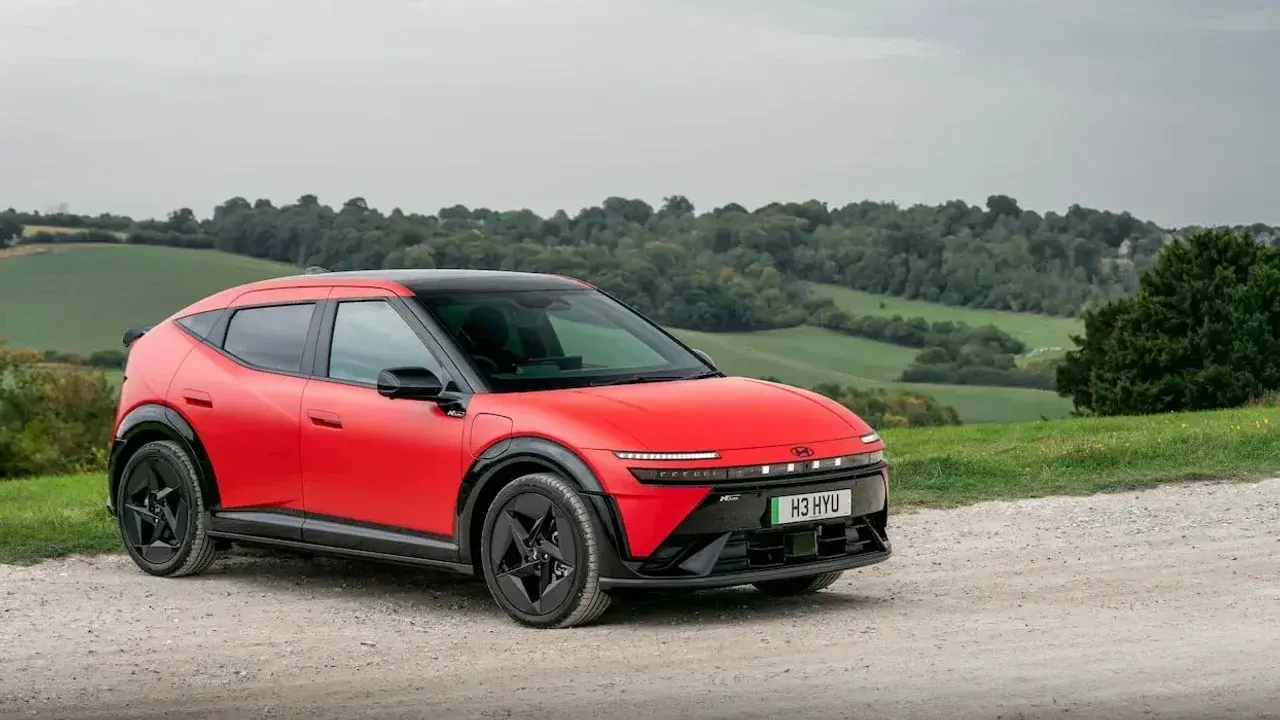
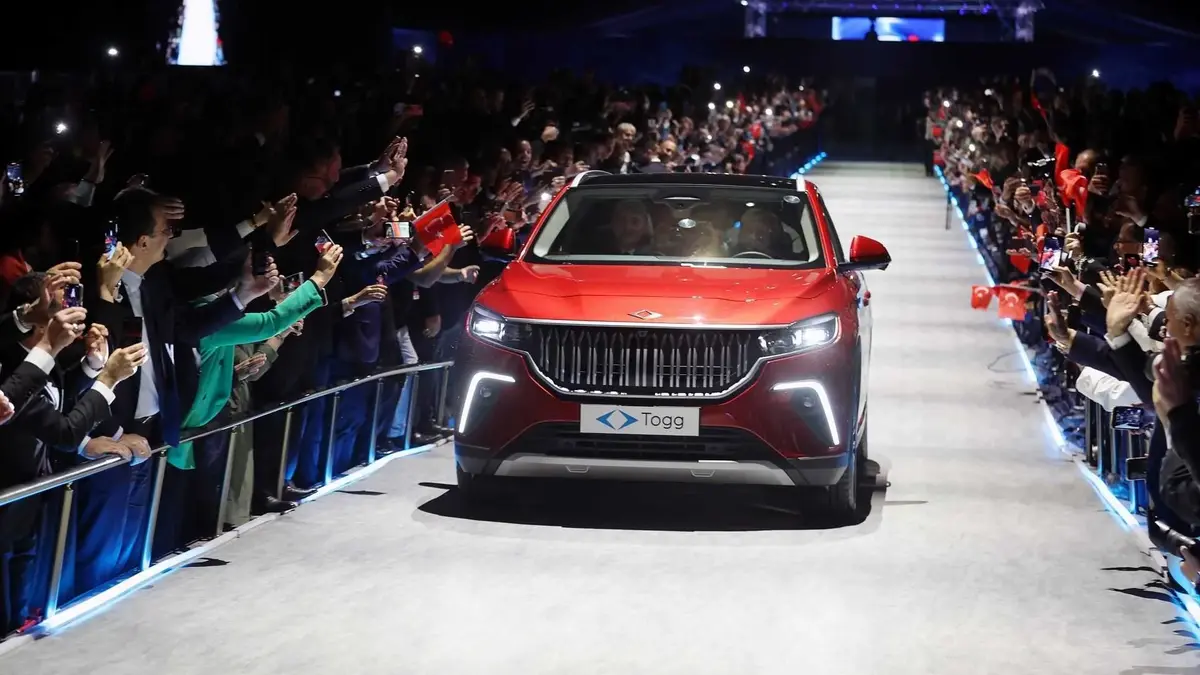
Although the Hyundai IONIQ 3 is manufactured at the company’s facility in Izmit, Turkey, it remains ineligible for the exclusive financing and credit advantages currently granted to Togg models. Automotive journalist Emre Özpeynirci recently reported that the vehicle fails to qualify for these government-backed financial incentives primarily because it does not meet the mandatory R&D center requirements. While the IONIQ 3 falls into the 25% Special Consumption Tax (SCT) bracket, the lack of an official R&D center in Turkey prevents it from accessing the same credit support programs that benefit other domestic manufacturers, potentially impacting its competitive positioning in the local market.
- Hyundai IONIQ 3 is excluded from special credit support due to the absence of a registered local R&D center.
- The vehicle is officially categorized within the 25% Special Consumption Tax bracket for the Turkish market.
- Starting prices for the model begin at 1,799,000 TL for the base Select trim level.
- Technical specifications vary significantly between the entry-level 42.2 kWh battery and the long-range 61 kWh variant.
Hyundai IONIQ 3 Pricing Tiers are Established
The pricing strategy for the Hyundai IONIQ 3 aims to maintain a competitive stance against other electric vehicles currently available in the Turkish segment. The manufacturer has released a tiered price list that reflects the distinct technological packages and comfort features included in each configuration. The entry-level Select model with a standard range starts at 1,799,000 TL.
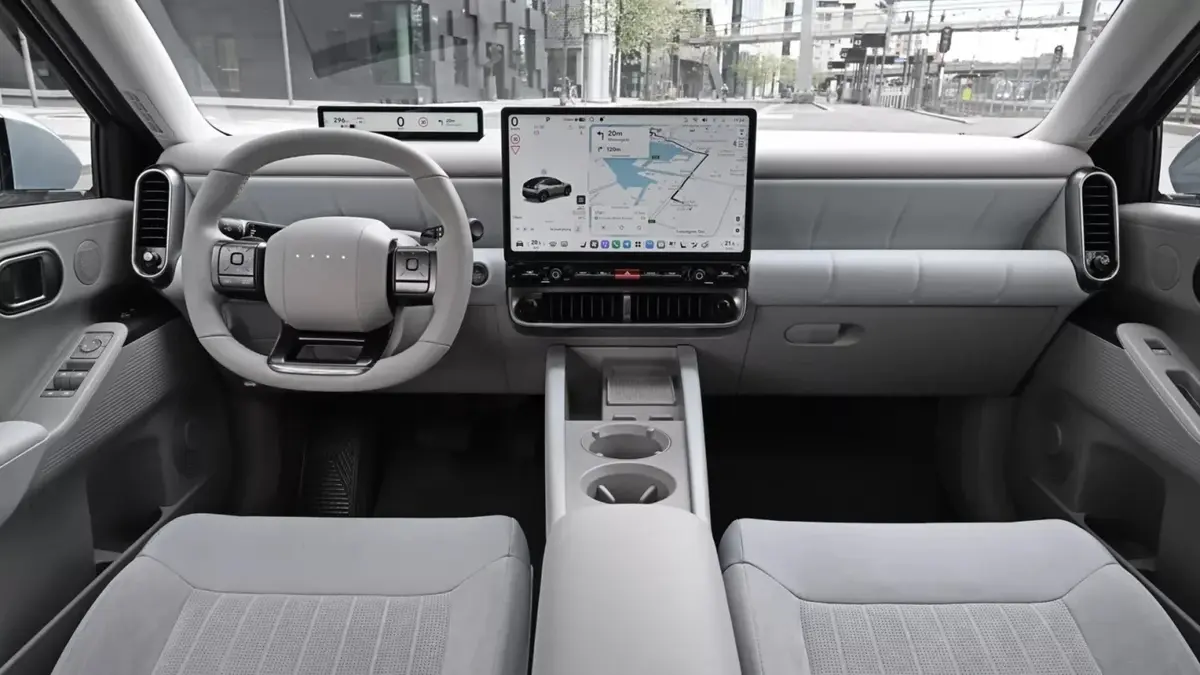
Moving up the lineup, the Trend package is priced at 2,099,000 TL, followed by the Prime trim at 2,249,000 TL. For buyers seeking premium performance and aesthetics, the top-tier N Line EVO version is available for 3,220,000 TL.
Technical Specifications and Battery Performance Vary
The model offers diverse performance metrics based on the selected hardware. The base version features a 147-horsepower electric motor paired with a 42.2 kWh battery, providing a range of up to 343 kilometers. This configuration is specifically engineered for urban commuting, serving as an accessible entry point for new electric vehicle owners. Conversely, the long-range variants are equipped with a 135-horsepower motor and a larger 61 kWh battery capacity. These versions achieve a maximum range of 482 kilometers, offering a more comfortable driving experience for long-distance travel by reducing the frequency of required charging stops.
Regulatory Requirements Shape Market Competition
Turkey has implemented specific criteria for electric vehicles to qualify for state-sponsored credit incentives and financial support. The requirement for an R&D center serves as a strategic policy tool designed to bolster local production capabilities and foster technological innovation within the automotive sector. Even though the IONIQ 3 is produced domestically in Izmit, its inability to satisfy this R&D requirement excludes it from these specific financial packages. This regulatory landscape forces consumers to weigh the benefits of financial support against the intrinsic features of their desired vehicles. Industry experts continue to monitor how these policies influence manufacturer investment strategies and whether the absence of credit support will hinder the market penetration of the IONIQ 3 compared to its subsidized rivals.
We value your perspective on the current automotive incentives in Turkey; how do you think the R&D center requirement affects your decision when choosing between locally produced electric vehicles? Please share your thoughts in the comments section below.
Your comment has been submitted,
it will be published after approval.