
Mahle Develops Diesel Range Extender for Electric Trucks

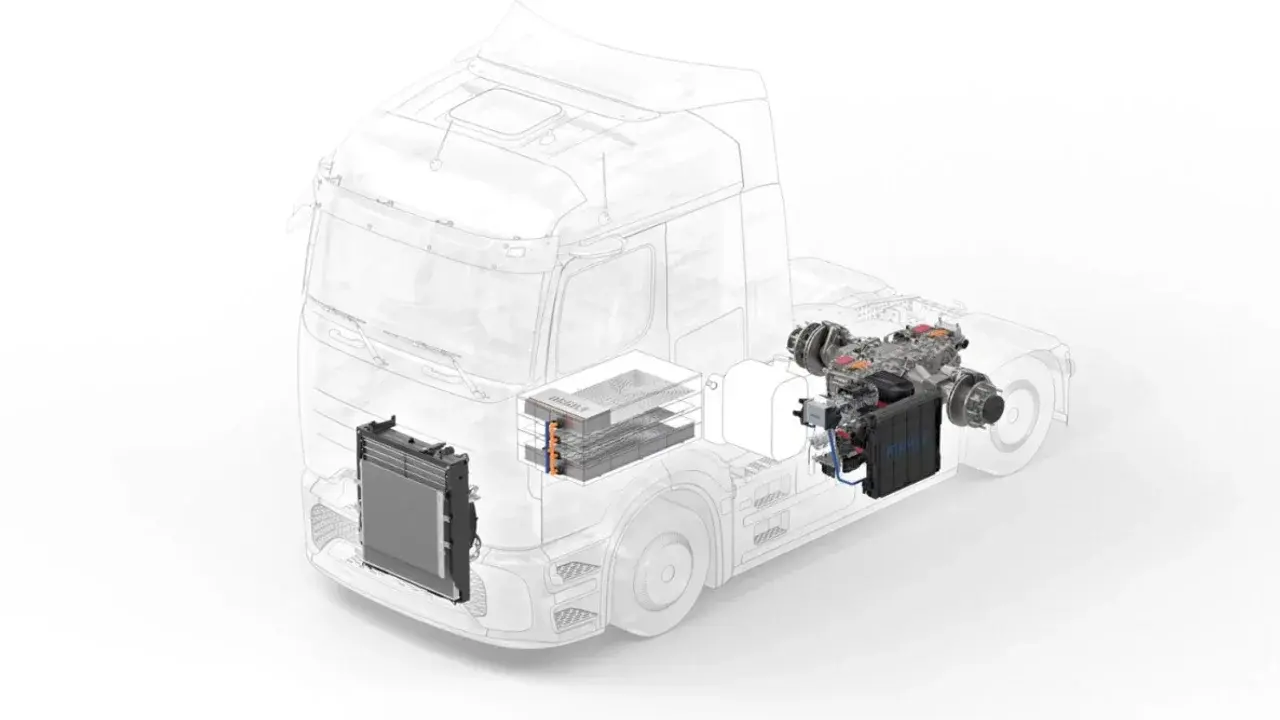
German automotive supplier Mahle has unveiled a pioneering solution to combat range anxiety in the heavy-duty sector by introducing a compact diesel-powered range extender for electric trucks. Announced ahead of the IAA Transportation fair in Hannover, this innovative system integrates an internal combustion engine to boost the total operational range of electric commercial vehicles to over 800 kilometers. By replacing a portion of the vehicle’s battery capacity with a high-efficiency generator unit, Mahle aims to provide a practical bridge for long-haul logistics. This technology addresses the critical infrastructure challenges currently hindering the widespread adoption of battery-electric freight transport across global markets.
- The Mahle range extender system combines an internal combustion engine with a high-voltage generator to double the total driving range to 800 kilometers.
- This compact assembly replaces one-third of the battery capacity and reduces the overall vehicle weight by approximately 600 kilograms.
- The system achieves an 80 percent reduction in CO2 emissions compared to conventional diesel trucks when operating under real-world conditions.
- Compatibility with renewable fuels like HVO100 allows for the potential of near-zero carbon emissions during long-distance operations.
The integration of this system ensures that the electric motor remains the sole provider of mechanical power to the wheels.
Engineers Redesign the Power Delivery Architecture
The core philosophy behind Mahle’s design is to maintain a purely electric drivetrain while utilizing the combustion engine exclusively as a power source for the generator. When the battery charge reaches a critical threshold, the engine activates to produce electricity, effectively mimicking the operating cycle of a plug-in hybrid vehicle. This transition allows fleet operators to maintain their existing logistics schedules without frequent stops for charging.
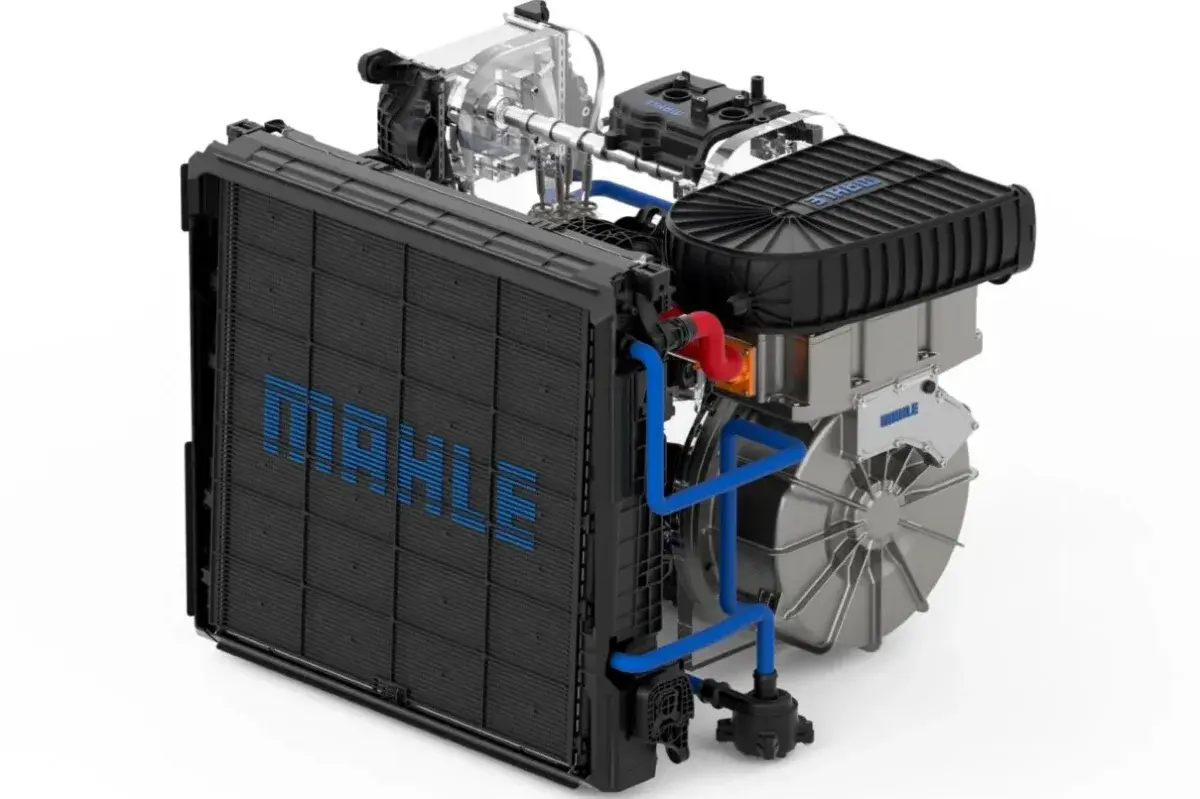
Beyond the range benefits, the system offers significant mechanical advantages. By removing a portion of the heavy battery modules, the truck’s rear axle load is reduced by 400 kilograms, and the total vehicle weight drops by 600 kilograms. This optimization improves the payload capacity, which is a vital metric for logistics companies looking to maximize efficiency per trip.
Thermal Management Enhances Generator Performance
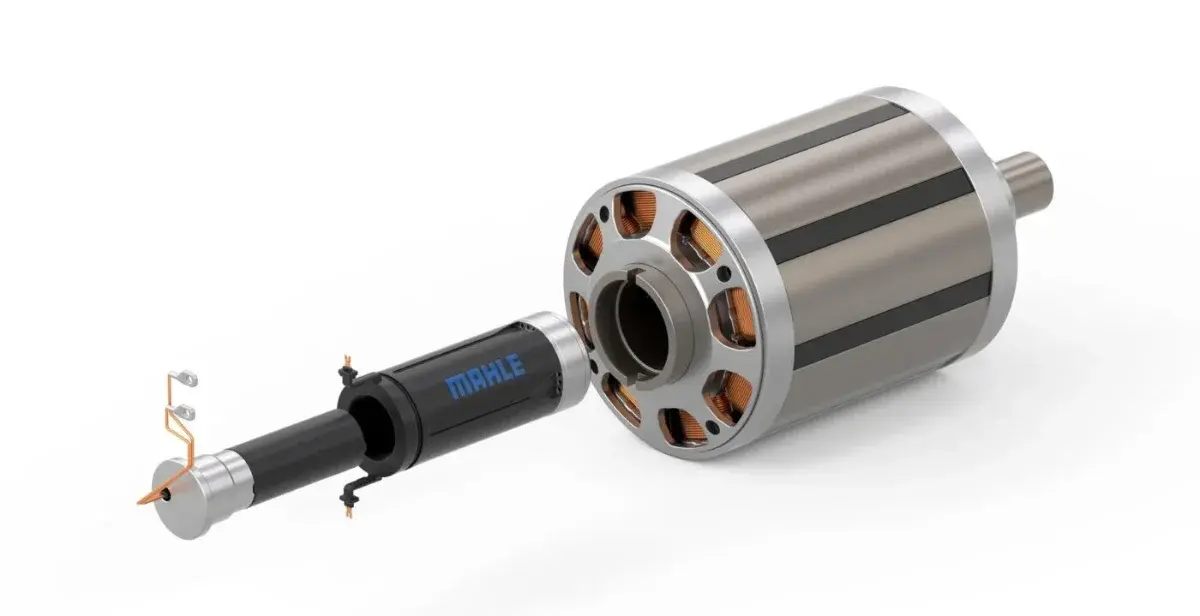
At the center of this setup is a high-voltage generator capable of delivering a continuous output of 110 kW, with the ability to reach a peak of 130 kW. To maintain these performance levels under heavy loads, Mahle has implemented an advanced oil cooling system that achieves a power density exceeding 7 kW/kg. The thermal management framework is further supported by dedicated cooling capacities for both high and low-temperature circuits.
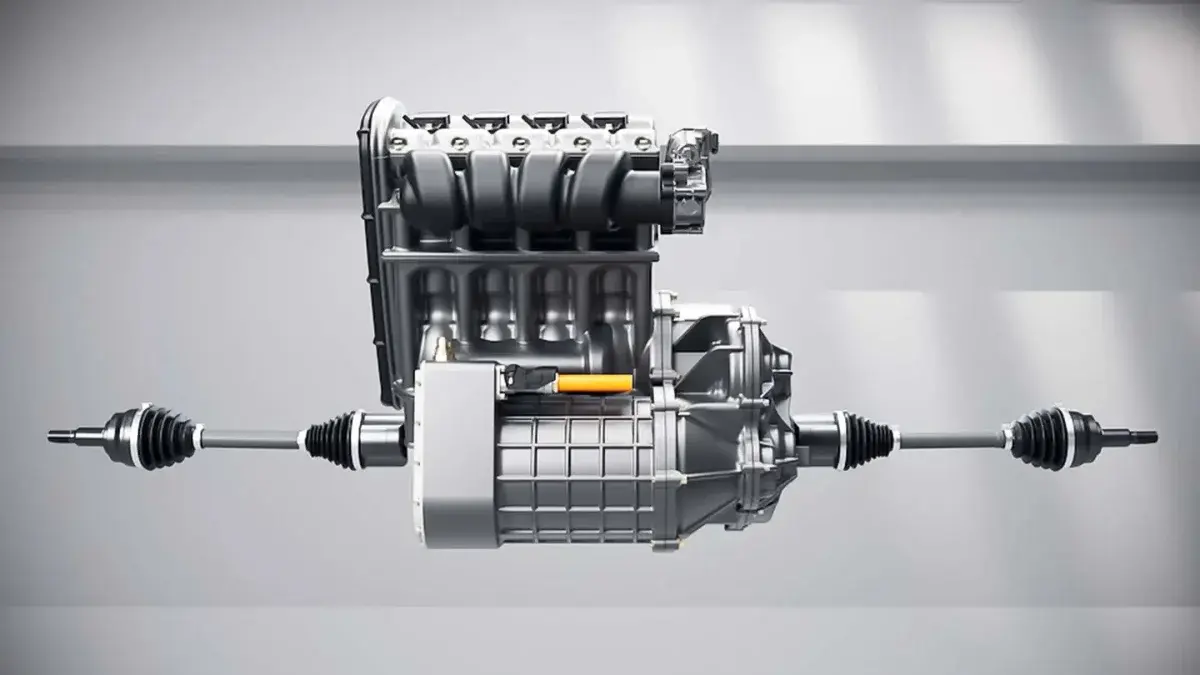
The system is specifically engineered to handle the rigorous demands of fully loaded heavy-duty transport.
Environmental Impact Remains a Core Priority
While the inclusion of a diesel engine might seem counterintuitive to green initiatives, Mahle emphasizes that the system is designed for maximum efficiency. When utilized with renewable fuels such as HVO100, the carbon footprint of the vehicle is drastically minimized. The company intends to showcase this technology, along with their new 370 kW rare-earth-free MCT E-Motor, at the upcoming IAA Transportation exhibition in Hannover this September.
As the industry moves toward complete electrification, hybrid solutions like these serve as essential transitional tools. By lowering barriers to entry for electric fleet conversion, manufacturers can accelerate the decarbonization of the logistics supply chain. We invite you to share your thoughts in the comments section regarding whether these hybrid range extenders represent the future of long-haul electric trucking or if the industry should focus exclusively on pure battery-electric infrastructure. Your perspective on this technological shift is highly valued.
Your comment has been submitted,
it will be published after approval.