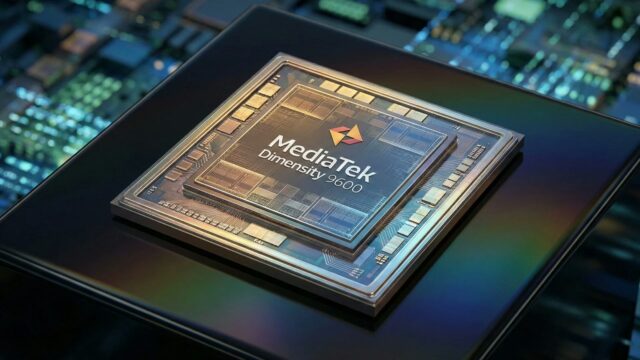

In a strategic move set to reshape the hardware industry, MediaTek has announced a major investment in silicon photonics. This MediaTek silicon photonics investment, made through its subsidiary Digimoc Holdings Limited, involves acquiring a significant stake in the pioneering startup Ayar Labs, signaling a major shift towards light-based data transmission technology.
How the MediaTek Silicon Photonics Investment Changes the Game
Following in the footsteps of industry giants like NVIDIA, Intel, and AMD, MediaTek is committing substantial resources to next-generation hardware solutions. The company has invested $90 million to acquire 1.72 million private shares, which corresponds to a 2.4% stake in Ayar Labs. This transaction underscores the growing consensus that optical I/O (input/output) solutions are becoming the new standard for high-performance computing.
This move is not just about keeping pace with competitors; it’s a forward-thinking strategy to secure a leading position in the future of data centers, AI processing, and high-speed networks. By integrating optical I/O directly into chip packages, MediaTek aims to overcome the limitations of traditional copper-based connections.
The Core Advantages of Silicon Photonics Technology
Ayar Labs specializes in replacing conventional electrical connections with optical functions integrated directly onto silicon. Using light-based signals to transmit data offers a leap in performance over electrical signals. The primary advantages of this technology are transformative:
- High Bandwidth and Low Latency: It enables significantly faster data transfer with minimal delay, which is crucial for AI and machine learning workloads.
- Energy Efficiency: Data transmission using this method reduces energy consumption by as much as 80% compared to traditional copper interconnects.
- Elimination of Overheating: By generating less heat, it solves one of the biggest challenges in modern data centers and high-performance systems.
- Robust Infrastructure: It provides a powerful foundation for AI data centers, next-generation mobile platforms, and future 6G cellular networks.
Furthermore, the integration of optical engines into chipsets is set to revolutionize manufacturing processes. Ayar Labs is already actively designing I/O modules for Google’s TPUv7 hardware. Additionally, technologies like Co-Packaged Optics (CPO) and TSMC’s COUPE packaging, which combines electronic and photonic circuits in a single module, are paving the way for this new era.
So, what are your thoughts on the future of silicon photonics? Share your opinions with us in the comments!