
The tech world is facing a severe memory chip price surge, a crisis that is causing supply shortages and driving up costs for major manufacturers. This escalating situation is expected to directly impact the price of upcoming devices like the iPhone 17 and new PCs, as the industry grapples with unprecedented demand and strategic production shifts.
How the Memory Chip Price Surge Began
The deepening memory chip crisis has sent shockwaves through the market, pushing manufacturer stocks to new heights. For instance, SanDisk shares saw a 25% jump on January 6th, marking their highest daily increase since February. Similarly, hard drive manufacturers like Seagate and Western Digital also experienced double-digit growth. Nvidia CEO Jensen Huang highlighted the situation at CES, stating that the storage and memory sector has reached an unprecedented scale, poised to become the largest in history.
Consequently, top executives from tech giants have set up camp in South Korea to navigate these supply chain wars. Procurement heads from Apple, Dell, Google, and Amazon have been staying in business hotels in the Pangyo region for the past month. They are making daily visits to Samsung and SK hynix factories, attempting to sign two or three-year supply agreements. However, manufacturers are rejecting these long-term offers, insisting on only three-month contracts, which allows them to adjust prices frequently.
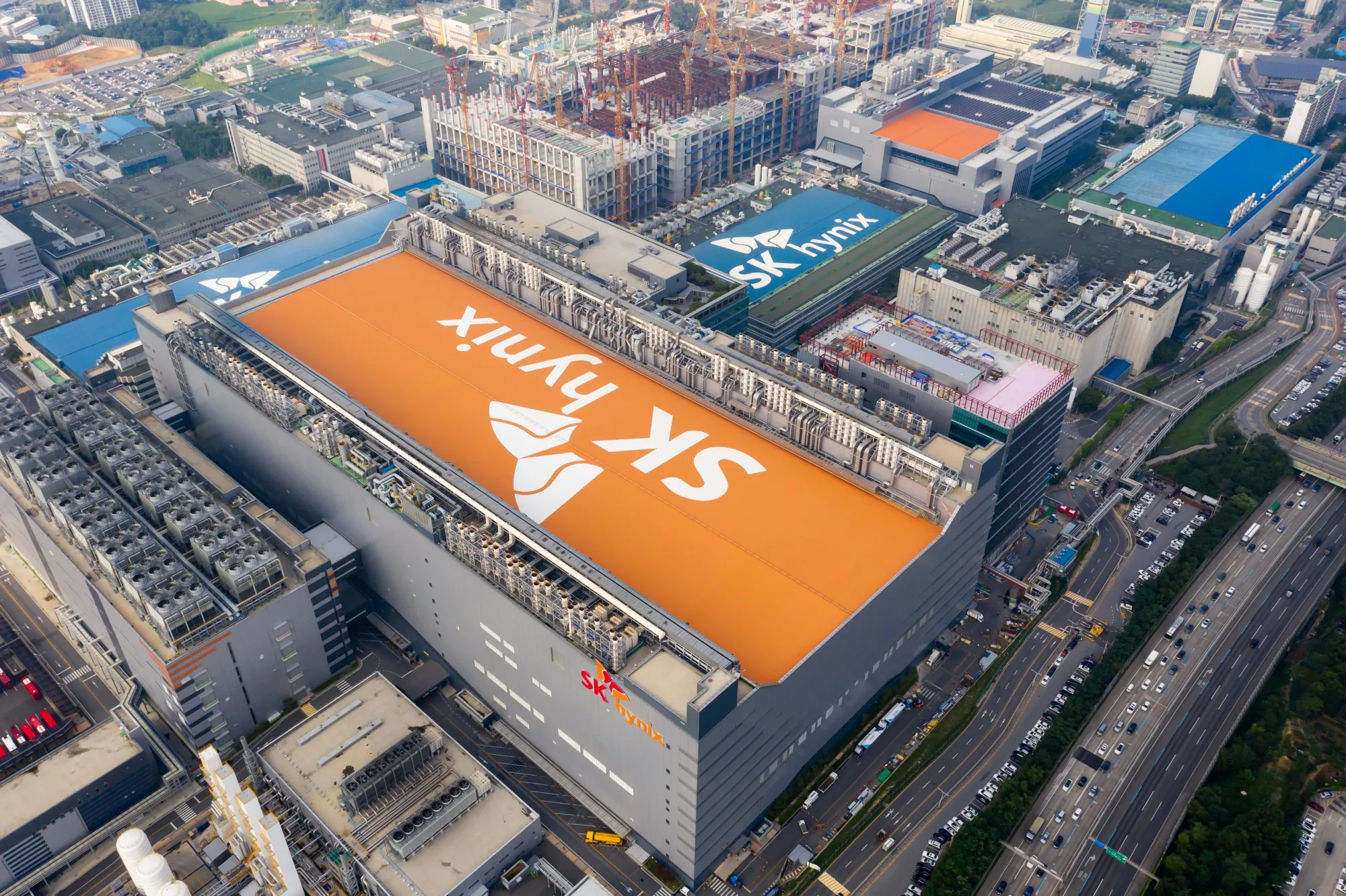
This stance from manufacturers is causing prices to rise at an alarming rate. Reports indicate that Samsung and SK hynix plan to increase server DRAM prices by 60% to 70% in the first quarter of 2026. Since mid-2025, memory prices have already surged by up to 300%, with some DDR5 chips quadrupling in price in just three months. This directly impacts hardware costs, putting immense pressure on tech companies.
Impact on Apple and the iPhone 17
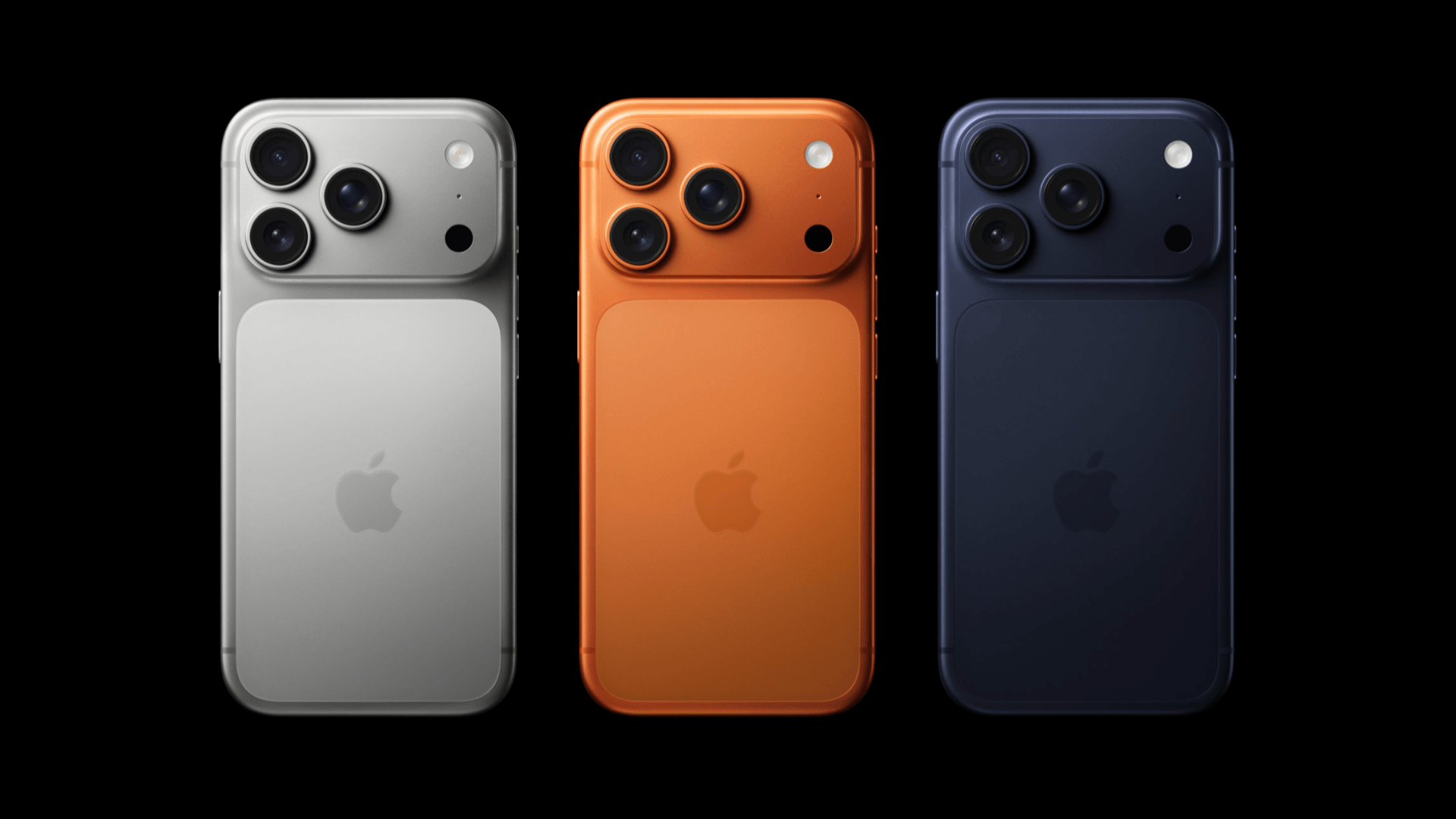
The situation at Apple clearly illustrates the severity of the crisis. The cost of 12GB LPDDR5X memory chips used in iPhone models has soared from around $25-30 at the beginning of 2025 to approximately $70 today. To secure its supply chain, the company has started sourcing 60% to 70% of the memory needed for the iPhone 17 from Samsung, a significant shift from its previously more balanced supplier strategy.
The primary reason for this industry-wide shortage is that manufacturers are redirecting their production capacity towards high-bandwidth memory (HBM), which is critical for AI infrastructure. This segment offers much higher profit margins than consumer products, creating a void in standard memory production. Micron CEO Sanjay Mehrotra stated that he expects this tightness in the memory market to continue beyond 2026. Furthermore, analysts do not foresee any significant relief for consumers or businesses until 2027 or 2028.
These rising costs are also affecting new computer prices. Memory units now account for about 18% of a new computer’s total component cost, double their share in 2024. As a result, major PC manufacturers like Dell, Lenovo, HP, and Framework have either increased their prices since early 2026 or are planning to do so soon. This global race has even led to memory and storage firms being the top three best-performing companies on the 2025 S&P 500 list.
So, what are your thoughts on the rising hardware costs? Share your opinions with us in the comments!