

Tensions are mounting between Samsung’s two main divisions over DRAM supply. Rapidly rising memory prices have led to a clash between the Device Solutions (DS) division, which manages its semiconductor operations, and the Mobile Experience (MX) division, responsible for smartphones, due to the sharp rise in memory prices. This is disrupting the supply balance between the two divisions and disrupting internal operations.
Memory Prices Have Raised Tension
The crisis stems from the sharp rise in DRAM prices throughout the year. This tightness in the memory market reached a critical level by November 2025. The price of 12GB LPDDR5X modules has skyrocketed from $33 at the beginning of the year to $70. This price increase is leading the DS division to prioritize increasing profitability.
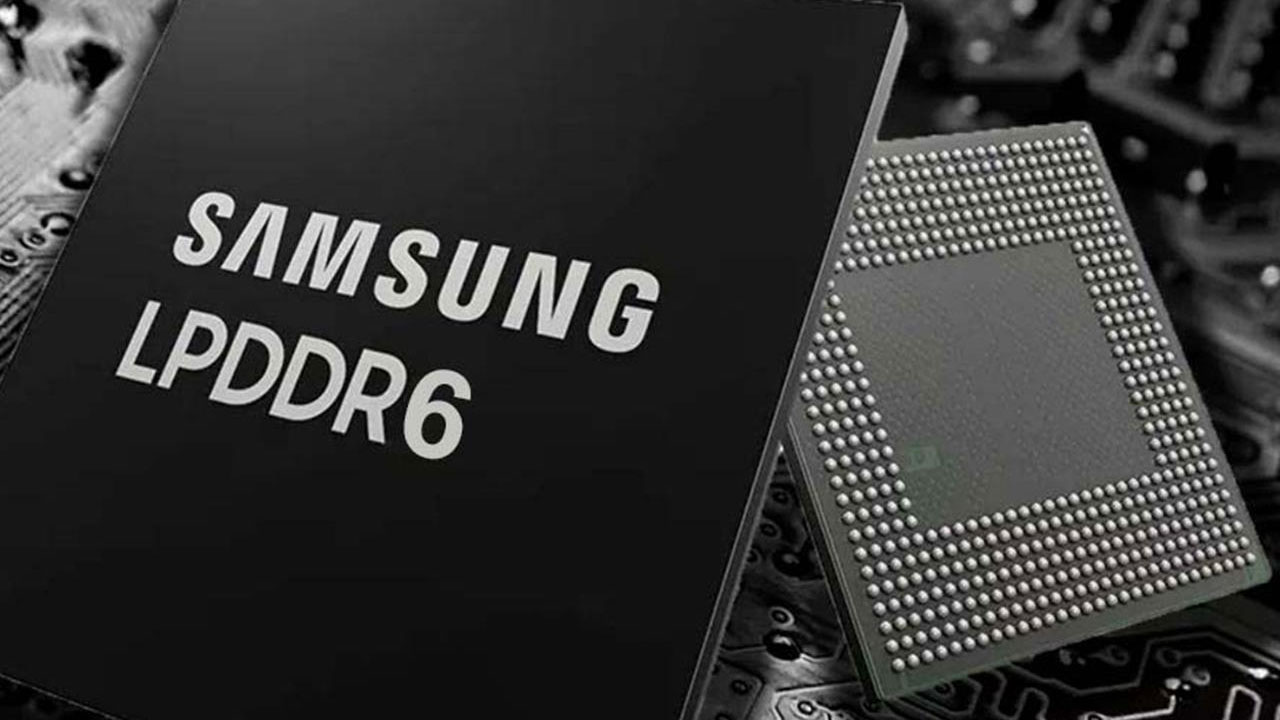
According to reports, Samsung’s DS division rejected a request from the MX division for memory supply of at least one year. This has effectively eliminated long-term supply agreements and replaced them with short-term contracts that are renegotiated every three months.
As negotiations became more complex, the senior management of both units became directly involved. Despite these efforts, the MX unit was only able to secure memory supplies for the final quarter of the year.
The DS unit is using the global DRAM and NAND shortage as an opportunity to focus on higher-revenue external agreements. These moves in chip production strengthen the company’s forecast of $69 billion in operating profit in 2026, driven by rising chip prices and increased yields in 2nm GAA processes. Furthermore, chip manufacturing operations are expected to reach profitability in 2027.