
Meta Patents New Technology for Voice-Based Emotional Analysis

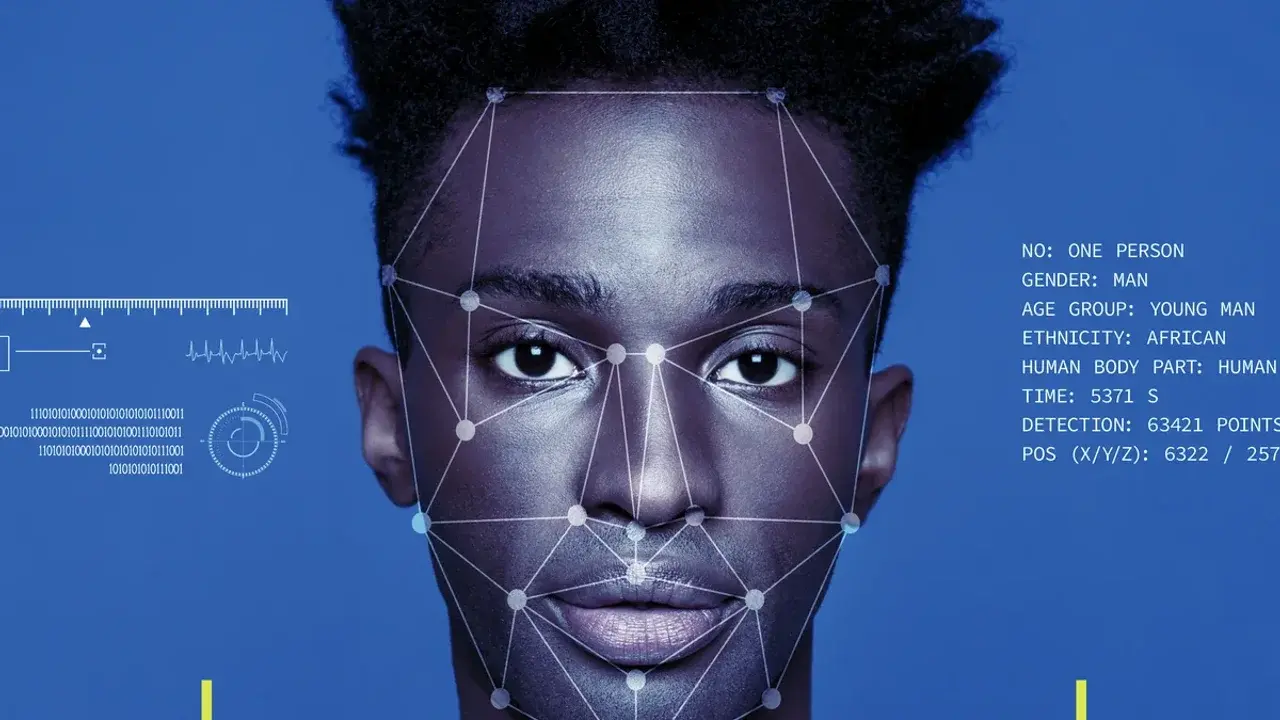
On July 2, Meta secured a new patent for an advanced system designed to perform real-time emotional analysis by continuously monitoring users’ voice tones and environmental context. By integrating audio data with factors such as location, time, and user activity, the company aims to utilize machine learning models to interpret complex emotional states. This initiative signals a significant push by Meta toward persistent emotional tracking, potentially embedding the technology into everyday devices to provide personalized guidance or adjust user experiences based on detected moods and behavioral patterns.
- Meta has patented a system that uses machine learning to analyze emotional states through continuous voice monitoring.
- The technology integrates audio cues with contextual data like location and activity to refine its psychological insights.
- Similar past initiatives by competitors, such as Amazon’s Halo Band, faced significant public backlash regarding privacy concerns.
- Meta clarifies that this patent represents a conceptual framework and does not confirm the development of a consumer product.
System Integrates Multiple Data Sources for Precision
The patent details a sophisticated architecture that synchronizes multimodal sensor inputs to enhance the accuracy of emotional assessments. According to the documentation, the system is capable of detecting subtle vocal nuances, including laughter, sighs, and changes in pitch. By correlating these audio inputs with other personal data—such as medication schedules or fitness routines—the platform aims to generate comprehensive summaries of a user’s emotional well-being.
The technology claims to offer guidance superior to traditional personal trainers by adjusting workout intensity to match the user’s emotional capacity.
This development is framed as part of a broader strategy by the tech giant to bridge the gap between physical and digital existence. However, the company remains cautious, stating that such patents are often filed to explore conceptual possibilities rather than to outline an immediate roadmap for mass-market hardware.
Privacy Concerns Persist Regarding Constant Monitoring
The concept of persistent emotional surveillance invites intense scrutiny regarding data privacy and the ethical implications of tracking human sentiment. History shows that consumers are often skeptical of devices that record audio continuously. In 2020, Amazon introduced the Halo Band, which featured voice tone analysis; however, the product was met with severe criticism regarding privacy, leading the company to eventually disable microphones and discontinue the entire product line by 2023.
Meta faces the challenge of convincing users that such invasive data collection is conducted with the highest security standards.
As Meta explores this path, the debate over the protection of sensitive biometric and emotional data will likely intensify. Critics argue that the ability to quantify human emotion through technology creates a dangerous precedent for corporate oversight of private lives. For now, the patent remains an investigative effort, and it is unclear whether the company will move toward a functional prototype or a consumer-ready device.

We are curious to know your perspective on whether you would feel comfortable using a device that monitors your emotional state throughout the day; please share your thoughts and concerns in the comments section below.
Your comment has been submitted,
it will be published after approval.