
Micron Joined the Giants with 24GB GDDR7 Memory

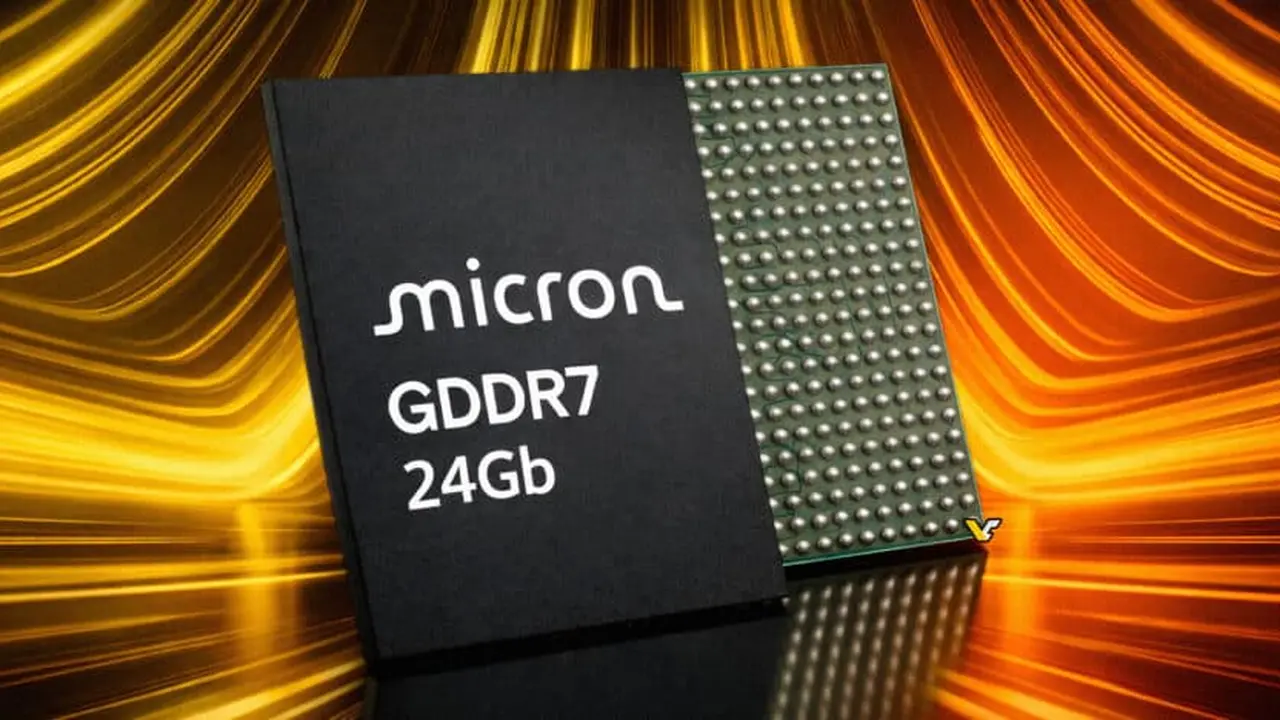
Micron, one of the leading names in the semiconductor industry, took the competition in the sector to a new dimension by announcing that it has started the mass production of 24Gb GDDR7 memory chips developed for high-performance graphics cards. Micron, the third major supplier to step into this technology after Samsung and SK Hynix, aims to offer wider options to graphics card manufacturers with its new modules, each with a capacity of 3 GB. The company pushes the technological limits with models offering a speed of 28 GT/s in the mass production phase, as well as variants at a speed of 32 GT/s that are in the testing phase. This move paves the way for the massive video memory capacities needed especially in artificial intelligence and high-resolution gaming systems.
-
Micron has officially started the mass production of GDDR7 memory modules with a capacity of 24Gb (3GB).
-
The company offers two different speed options: 28 GT/s production and 32 GT/s sampling.
-
The new chips allow increasing the total graphics card memory without the need for complex circuit designs.
-
With this step by Micron, the number of GDDR7 suppliers with a capacity of 3 GB in the market has risen to three.
The Competition in the Sector Has Been Taken to a New Dimension
Micron has officially launched its 24Gb GDDR7 solutions, partnering in the dominance established by Samsung and SK Hynix in the graphics memory market. This new technology provides a revolutionary convenience in graphics card designs by allowing each chip to store 3 GB of data. Unlike existing standard chips with a capacity of 2 GB, thanks to these 3 GB units, manufacturers can increase the total memory by 50% without increasing the number of chips on the board. High-capacity GDDR7 memories aim to eliminate the bottlenecks experienced in gaming and professional graphics processing processes.
Performance and Speed Parameters Have Become Clear
According to the information in the company’s updated product catalog, while models at a speed of 28 GT/s are currently in the production phase, the models at a speed of 32 GT/s promising higher performance have moved to the sampling process. These speeds significantly increase the amount of data transferred per second, that is, the bandwidth, helping next-generation graphics processor architectures to show their full potential. With this move by Micron, supply chain diversity in the graphics card market has increased significantly.
Blackwell Architecture and Future Expectations Are Taking Shape
Currently, Samsung’s 24Gb GDDR7 solutions have started to be used in NVIDIA’s high-end models such as the professional-focused RTX PRO 6000 Blackwell. However, with Micron’s entry into the market, this technology is expected to be integrated faster not only into professional products but also into desktop graphics cards appealing to the end user. Micron aims to reduce costs and standardize high-capacity memories by increasing production efficiency. How do you think 24Gb GDDR7 memories will affect the prices and performance of next-generation graphics cards? Do not forget to share your views with us in the comments section.
Your comment has been submitted,
it will be published after approval.