
Microsoft Introduces New Cloud Rebuild Recovery for Windows 11


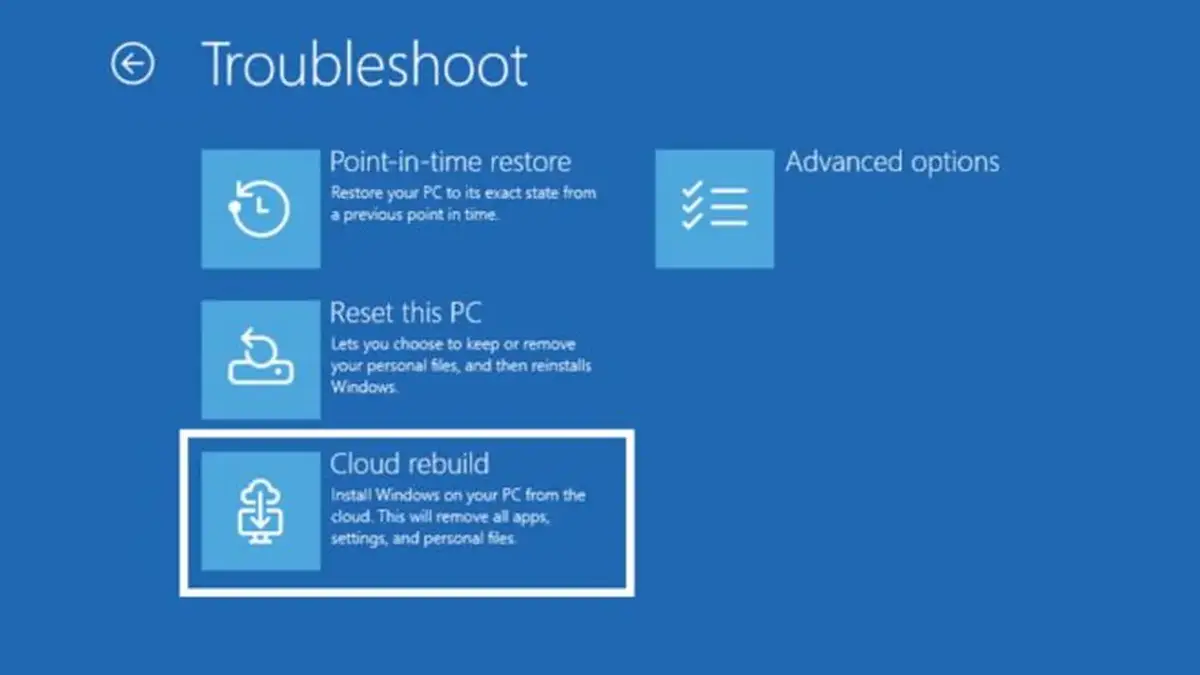
Microsoft has officially commenced testing a revolutionary “cloud rebuild” feature within the latest experimental build of the Windows 11 operating system. This innovative recovery tool is designed to assist users facing critical system failures or persistent software errors by allowing them to reinstall the OS directly from the cloud. By leveraging the existing Windows Update infrastructure, this feature enables a computer to download the necessary system images and drivers over the internet, effectively bypassing the need for physical recovery media such as USB drives or local backups. This development marks a significant shift in how Microsoft intends to streamline troubleshooting processes for its global user base.
- The cloud rebuild feature utilizes Windows Update to download the operating system and essential drivers directly.
- This recovery method eliminates the requirement for external storage devices or USB installation media.
- The reinstallation process permanently erases all personal files, installed applications, and customized user settings.
Cloud Rebuild Technology Simplifies Recovery Processes
The cloud rebuild functionality functions as a sophisticated recovery solution for scenarios where the Windows 11 system becomes completely unresponsive or corrupted. Unlike traditional “Reset this PC” methods that rely on local recovery partitions, this new architecture retrieves the most current version of Windows directly from Microsoft servers. By pulling fresh, clean files, the system avoids the common pitfalls of installing outdated drivers or carrying over corrupted configurations from previous installations.
Microsoft aims to ensure that computers can be restored to a fully functional state regardless of the initial failure.
Users Must Acknowledge Data Loss Risks
While the speed and convenience of this cloud-based recovery are undeniable, users must exercise caution regarding their personal data. Microsoft explicitly warns that this operation is a complete system reset. Initiating the cloud rebuild process will result in the total deletion of all user-installed applications, personal documents, and customized settings. Therefore, maintaining a robust backup strategy on external drives or cloud storage services remains an essential practice before attempting any system-level recovery, regardless of the method chosen.
General Availability Remains Under Investigation
At this stage, the cloud rebuild feature is restricted to experimental Windows 11 test builds, and a definitive timeline for a broader public rollout has not been established. Microsoft is currently analyzing performance metrics and reliability data collected during the testing phase to determine when it is appropriate to integrate this feature into the stable, mainstream version of the operating system. Until the feature becomes widely available, users are encouraged to continue their standard maintenance and backup routines to safeguard against potential system crashes.
The company continues to monitor user feedback to refine the stability of the cloud-based restoration process.
We would love to hear your thoughts on this upcoming Windows 11 recovery feature; would you prefer a seamless cloud-based reinstallation over the traditional USB recovery method, or do you find local backups more reliable? Please share your experiences and opinions in the comments section below.
Your comment has been submitted,
it will be published after approval.