
Microsoft Patches Record-Breaking 570 Windows Security Vulnerabilities

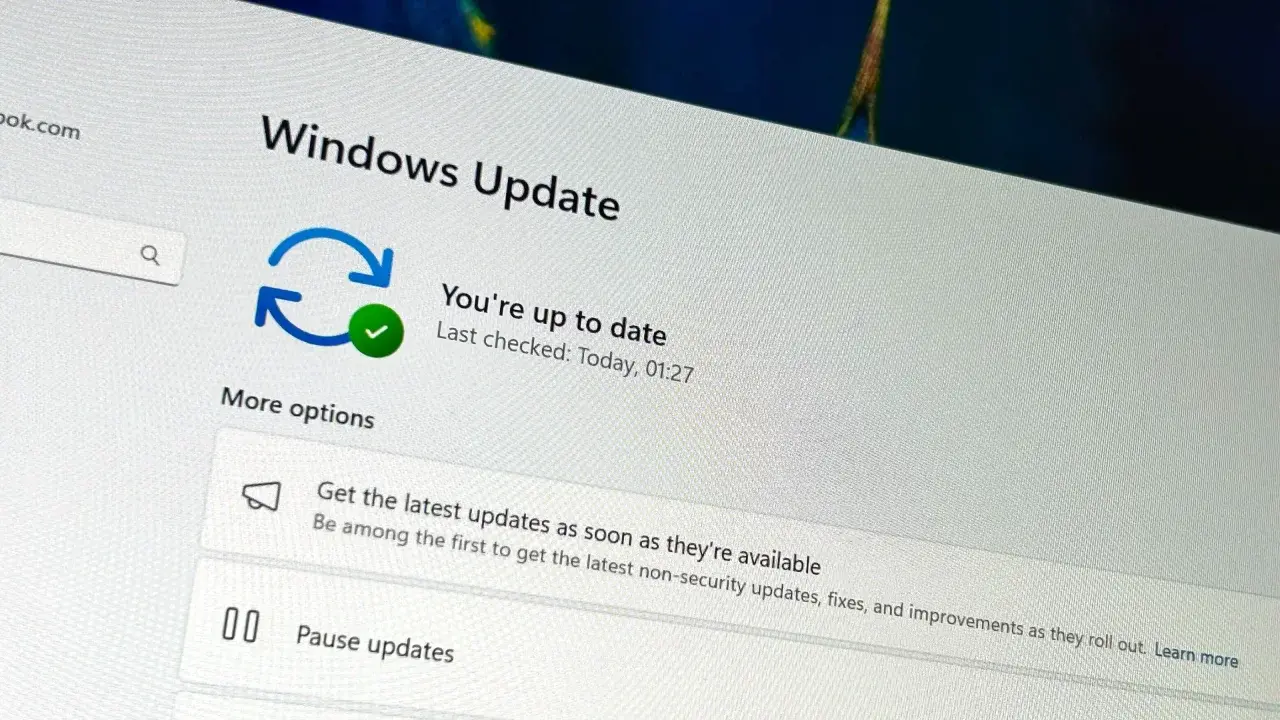
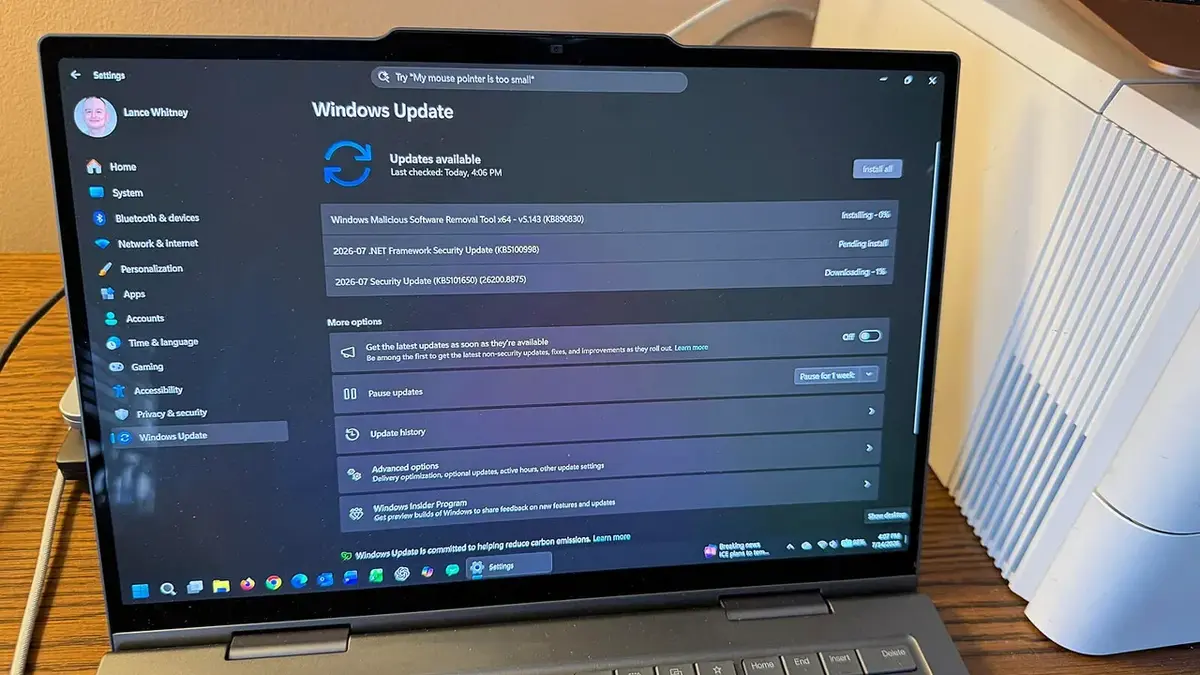
Microsoft has officially released its largest security update to date as part of the July Patch Tuesday cycle, addressing a staggering 570 vulnerabilities across its Windows operating system. This massive rollout, which targets Windows 11 versions 25H2, 24H2, and 23H2, as well as Windows 10 systems enrolled in the Extended Security Update program, marks the highest number of flaws fixed in a single month in company history. To ensure these critical security patches are applied effectively, users are required to restart their systems immediately after installation to complete the remediation process for their Windows environment.
- Microsoft remediated 570 distinct security vulnerabilities in its largest monthly patch release to date.
- The update includes fixes for three zero-day exploits currently affecting Active Directory, SharePoint, and BitLocker.
- New functionality allows users to customize update deferral dates more precisely than in previous versions.
- Enhanced performance improvements target Bluetooth connectivity and File Explorer responsiveness for all users.
Record Numbers of Vulnerabilities Are Being Addressed
The July security bulletin is particularly notable for containing three specific zero-day vulnerabilities. While two of these flaws are being actively exploited by malicious actors, the third has become publicly available, creating an urgent need for widespread system updates. Microsoft utilized its proprietary MDASH scanning tool to identify these weaknesses, signaling a shift toward more frequent and comprehensive security patches in the future.
These vulnerabilities pose a severe risk to data integrity, especially for devices with physical access or shared network credentials.
Among the most critical issues are flaws within Microsoft Active Directory and SharePoint that allow unauthorized network access. Additionally, the BitLocker encryption vulnerability represents a major security concern for mobile workers, as it could permit unauthorized parties to bypass drive encryption if they gain physical possession of a device. Security professionals strongly advise against any delay in applying these mandatory updates to prevent potential data breaches.
System Performance and Functionality Are Seeing Improvements
Beyond security enhancements, Microsoft has introduced several functional optimizations to improve the user experience. The Widgets application no longer triggers automatically when a user hovers over the taskbar icon, providing a cleaner interface. File Explorer has also received a significant speed boost, particularly when handling virtual drive connections, while the address bar now supports more complex file paths containing special characters.
Connectivity stability has been a major focus in this update. Bluetooth pairing speeds have been improved for Apple AirPods, and microphone clarity for Beats Studio Pro headphones has been rectified. Furthermore, the transition to Internet Printing Protocol and Windows Ready Print as default standards aims to streamline and secure the installation process for third-party printers.
Users now have greater control over their update schedules by selecting specific deferral dates through the system settings menu.
By moving away from rigid update cycles, Microsoft provides enterprise and individual users with more flexibility in managing their system maintenance requirements. These changes underscore a broader commitment to balancing rigorous security protocols with practical usability for the global Windows user base.
Given the unprecedented scale of this security update, we would like to hear your perspective on how these frequent, high-volume patches affect your daily workflow or organizational IT management—please share your thoughts in the comments below.
Your comment has been submitted,
it will be published after approval.