
Microsoft Reveals Advanced Shader Delivery to Speed Up Game Launches

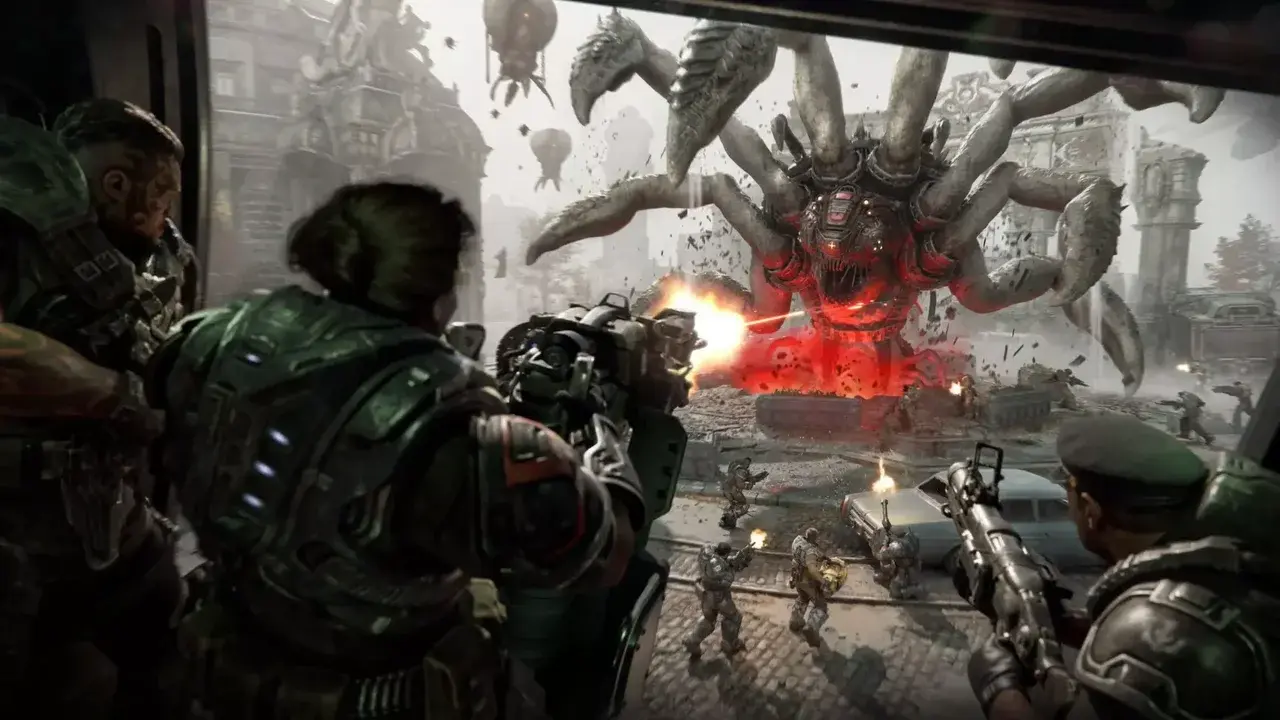
Microsoft has announced a significant breakthrough in PC gaming performance with its new “Advanced Shader Delivery” technology, designed to drastically reduce long loading times caused by shader compilation. Historically, gamers have faced frustrating waits upon launching titles as their hardware processes complex lighting, textures, and visual effects. By shifting the workload from local hardware to a cloud-based pre-compilation system, Microsoft aims to cut these initialization times by up to 95 percent, turning minutes of waiting into mere seconds. While initially restricted to AMD Radeon GPUs, the company plans to expand this support to Nvidia, Intel, and Qualcomm hardware throughout October, aiming to standardize a smoother experience for the broader PC gaming community.
- Microsoft is deploying Advanced Shader Delivery to reduce shader compilation times by up to 95 percent.
- The technology offloads intensive compilation tasks from local hardware to cloud-based processing.
- Support for Nvidia, Intel, and Qualcomm GPUs will launch later this month.
- Game developers must actively integrate this technology into their titles for it to function.
Shader Compilation Processes Burden Local Hardware
The shader compilation process is essential for modern gaming, as it prepares visual elements like lighting, shadows, and textures to be rendered by the graphics card. This task typically occurs during a game’s first launch or whenever the player encounters new environments or complex graphical assets. On many high-end systems, this process still creates noticeable stuttering and long “loading” screens that can take several minutes to complete.
Microsoft’s innovative approach mitigates this by sending pre-compiled shader data directly from the cloud rather than forcing the player’s system to perform the heavy lifting from scratch. By alleviating the strain on local CPU and GPU resources, the system not only accelerates launch times but also prevents performance dips that often occur when shaders are being processed during active gameplay. This shift represents a major step toward more seamless and responsive gaming experiences on Windows-based PCs.
Support for Graphics Hardware Continues to Expand
Wendy Ho, a program manager for DirectX at Microsoft, confirmed that the company is rapidly broadening the compatibility of this technology. With the upcoming inclusion of Nvidia, Intel, and Qualcomm, the reach of Advanced Shader Delivery will cover the vast majority of the modern PC hardware market. This expansion is critical for ensuring that the benefits of reduced load times are not limited to a single hardware manufacturer.
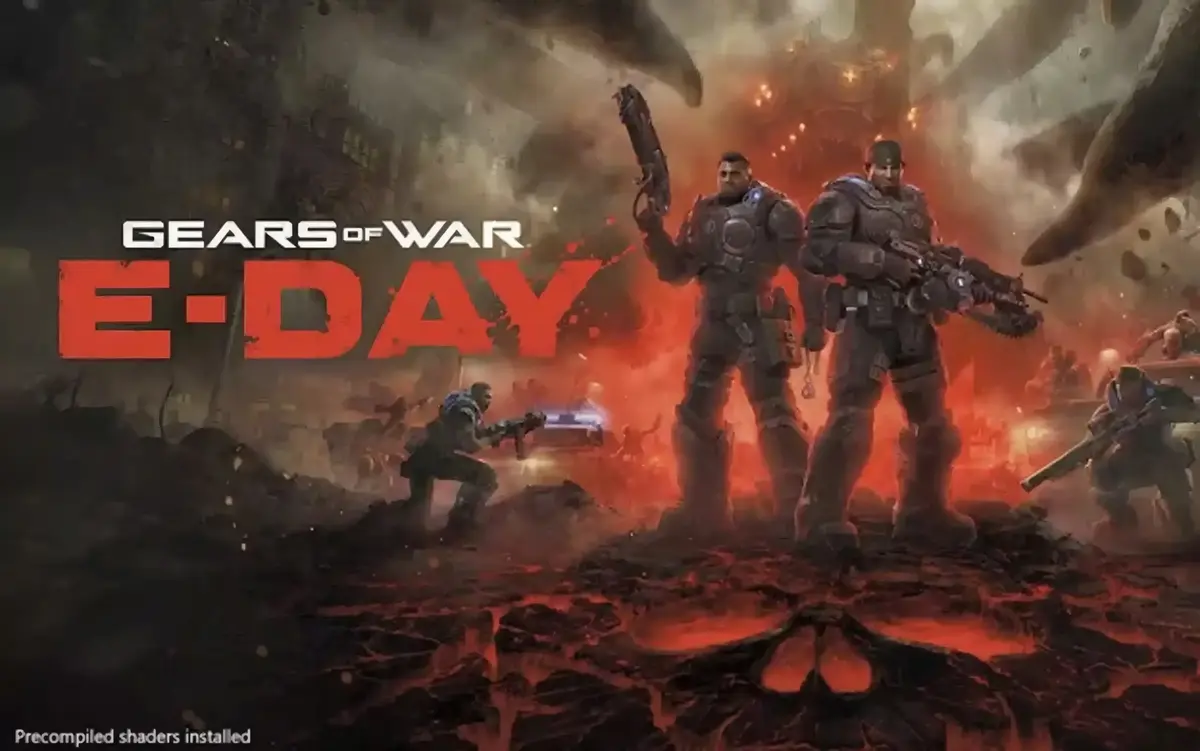
However, the adoption of this technology is not automatic for all existing PC games. It requires developers to implement the specific framework within their software. The game Gears of War: E-Day serves as one of the primary examples of this technology in action, and it is expected to be featured in upcoming major releases like Call of Duty: Modern Warfare 4. As the industry moves toward more efficient data management, widespread developer support will be the key factor in determining how quickly this feature becomes a standard in the PC gaming landscape.
How much do you believe these reduced shader compilation times will improve your personal gaming experience, and are you frustrated by long load times in modern titles? Share your thoughts in the comments section below.
Your comment has been submitted,
it will be published after approval.