

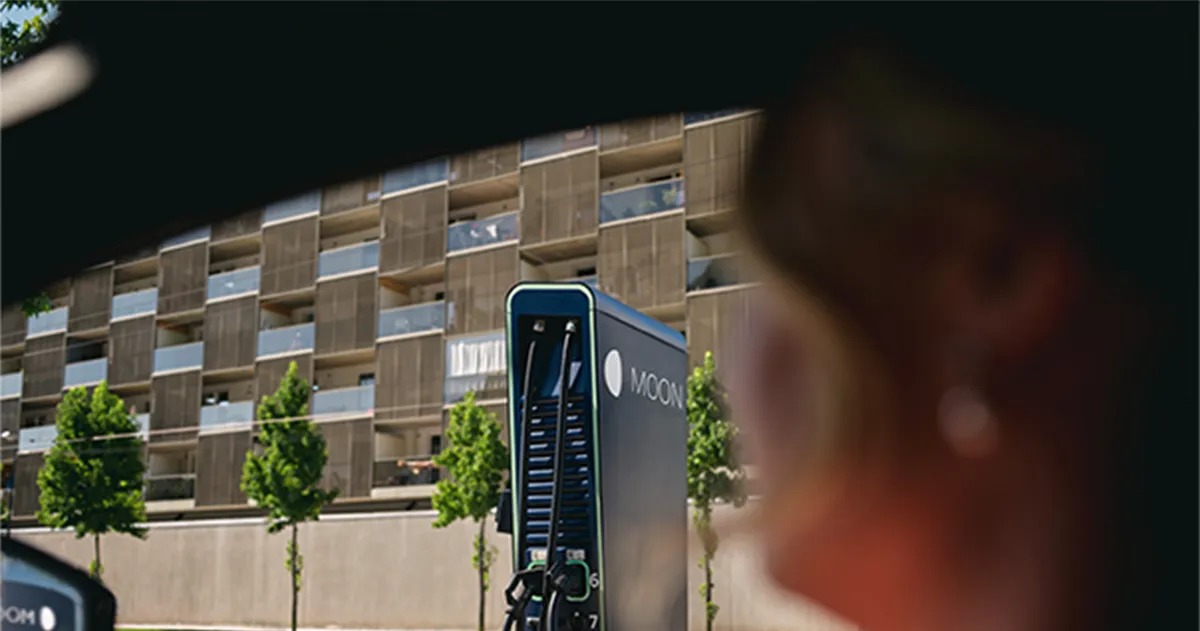
Moon Power, Porsche’s energy-focused arm, is giving EV batteries another shot at life. The new RE:LIFE system puts used MEB-platform batteries to work in modular, scalable storage units. They can bank solar energy, reduce waste, and help buildings run more independently all without starting from scratch.
Moon Power turns old batteries into smart grid tools
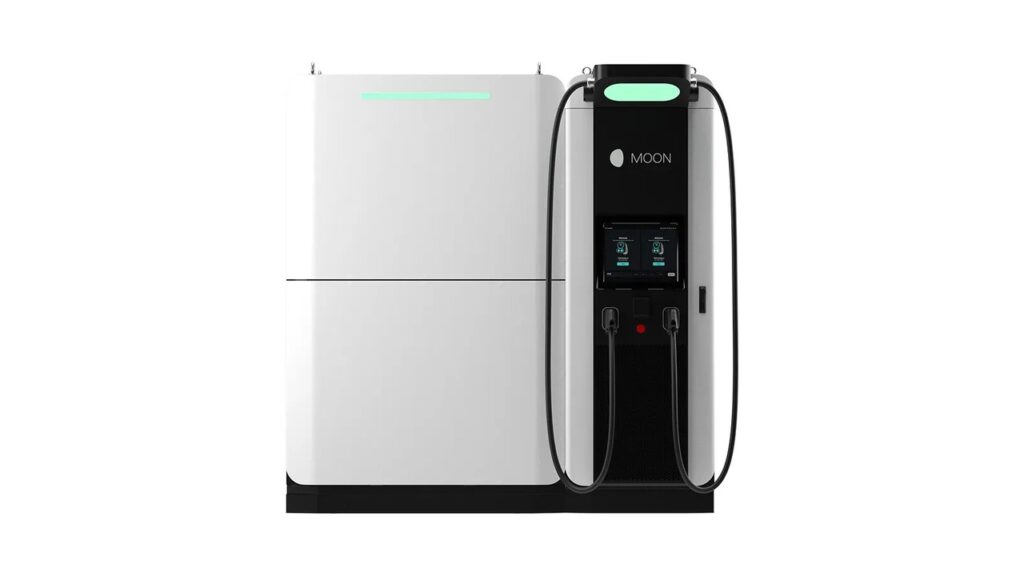
The RE:LIFE prototype sits in MoonCity Salzburg. It includes two modular units, each holding 30 battery slots. Together, they run on 60 reused NMC traction batteries. That gives the system a 411 kWh gross capacity, backed by two inverters pushing 176 kVA of AC power.
The system is air-conditioned and plugs into OptiMoon, a management tool that supports things like solar storage, peak shaving, and self-consumption. And because of its modular design, companies can scale up without scrapping what’s already there.

BYD energy storage system delivers 14.5 MWh per unit and cuts costs to $0.014 per kWh, surpassing Tesla Megapack in scale and efficiency.
Modular energy systems support business independence
Moon Power plans to move into small-series production after approval in summer 2025. Initial installations will roll out to select Porsche properties. These units aim to raise energy independence and reduce long-term costs.
Florian Fürtbauer from Porsche Real Estate calls it a practical step toward sustainability with none of the performance trade-offs businesses often worry about.
How Moon Power builds the RE:LIFE system
A few tech partners made RE:LIFE work. Here’s the breakdown:
- Pramac developed the modular cabinet and prepped the battery housing
- B-ON delivered the battery management software
- Moon Power handled system design, testing, and final integration
Still, it’s the reused batteries that keep the whole thing smart, scalable, and efficient.
EV waste shrinks when Moon Power scales smart
RE:LIFE isn’t a flashy prototype; it’s a system built to deploy. By leaning on second-life batteries, Moon Power dodges the full costs of new production while cutting down electronic waste. The project doesn’t just store energy, it rethinks how we use what we’ve already made. The second act has bite.