
NASA and Prada Reveal Next-Gen Space Suit Layer

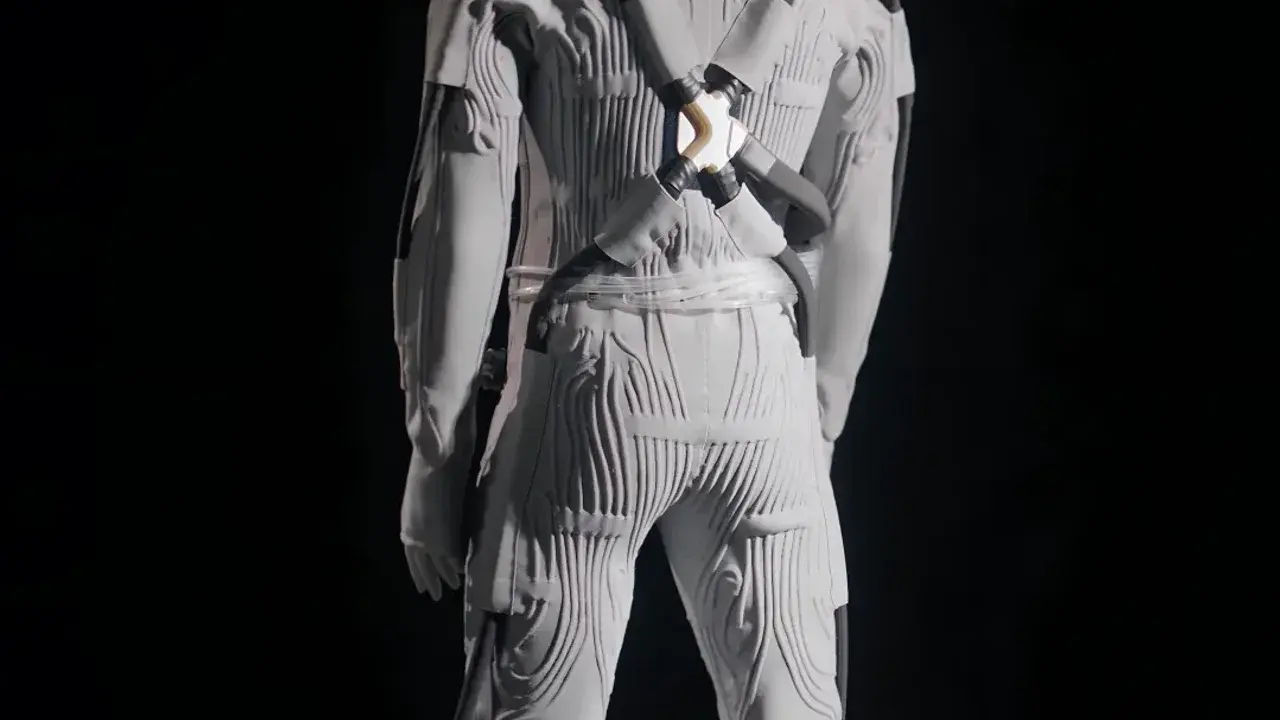
Axiom Space and Prada have officially unveiled the sophisticated inner layer of the next-generation space suit designed for the upcoming Artemis IV lunar mission scheduled for 2028. This critical component, known as the Liquid Cooling and Ventilation Garment (LCVG), represents a significant leap in space exploration technology. By combining Axiom Space’s deep expertise in aerospace engineering with Prada’s advanced material science capabilities, the partnership aims to provide astronauts with superior comfort and life-support functions while operating in the extreme thermal environment of the Moon’s surface. This collaboration marks a pivotal moment in preparing human explorers for long-duration lunar activities.
- The LCVG provides active liquid-based cooling to regulate body temperature during demanding lunar surface operations.
- Integrated ventilation systems facilitate the continuous circulation of oxygen while simultaneously removing exhaled carbon dioxide.
- The garment design includes a redundant system to ensure astronaut safety in the event of primary mechanical failure.
- The technology serves as a foundational component for the broader Axiom Extravehicular Mobility Unit (AxEMU) suit.
Engineers Enhance Thermal Regulation Capabilities
The core functionality of the new LCVG centers on its advanced thermal management system. Unlike previous iterations of life-support garments, this design utilizes an intricate network of cooling tubes that circulate chilled water directly against the astronaut’s body. 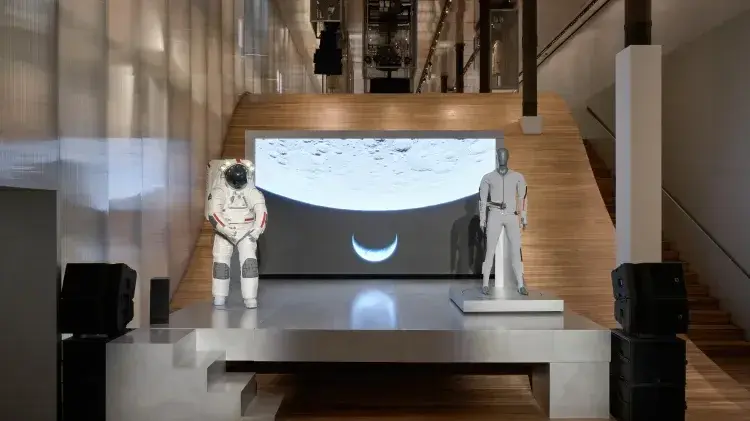 This mechanism effectively wicks away metabolic heat generated during strenuous tasks. The inclusion of a robust backup system provides a necessary safety net, ensuring that thermal regulation continues even if the primary circulation pump encounters technical difficulties.
Redundant thermal systems provide a critical lifeline for astronauts working in the harsh vacuum of the Moon.
Life Support Functions Maintain Safety Standards
Beyond cooling, the garment acts as a vital bridge between the astronaut and the main AxEMU life-support system. 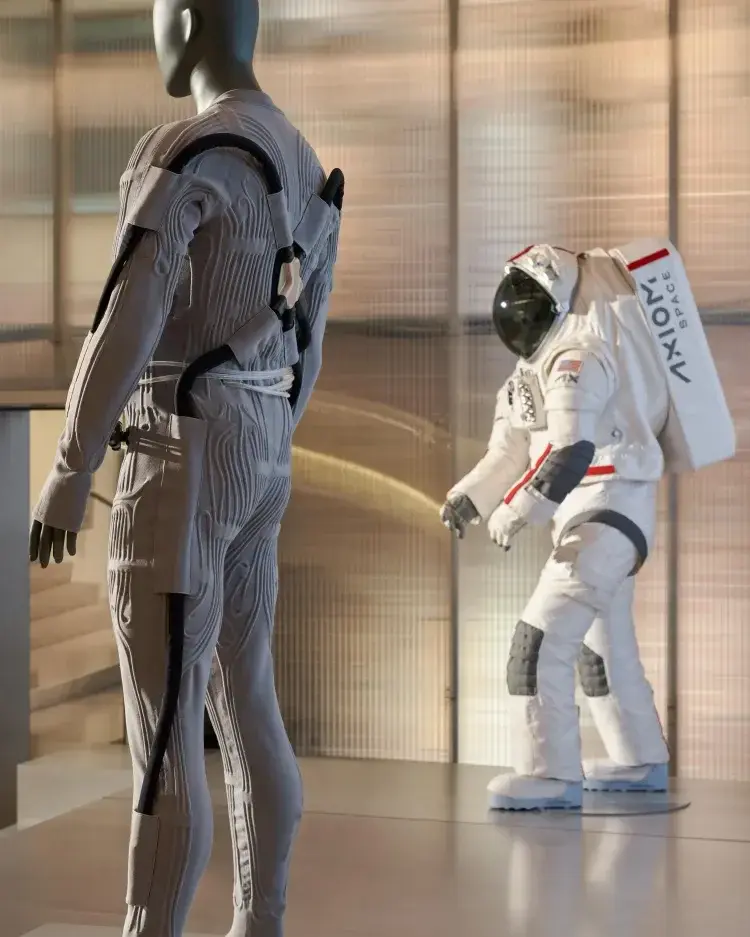 The integrated ventilation component ensures that a consistent flow of fresh oxygen is delivered directly into the helmet. Simultaneously, it captures exhaled carbon dioxide and directs it toward specialized scrubbing units. This automated cycle allows explorers to focus on their scientific objectives without constant manual adjustments to their personal life-support parameters.
Design Innovation Shapes Future Missions
The integration of high-fashion material expertise into aerospace hardware represents a strategic shift in mission planning. 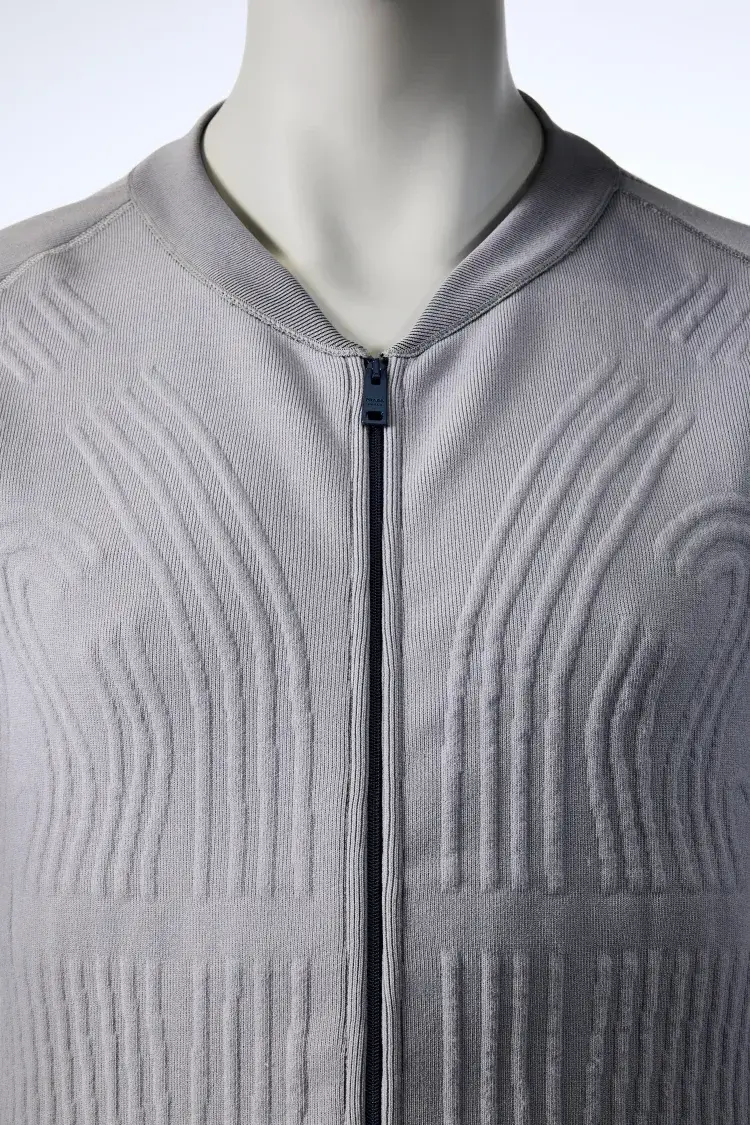 While NASA has historically collaborated with academic institutions like MIT to develop concepts like the BioSuit, the involvement of Prada highlights a transition toward utilizing commercial textile innovation for extreme environments.
 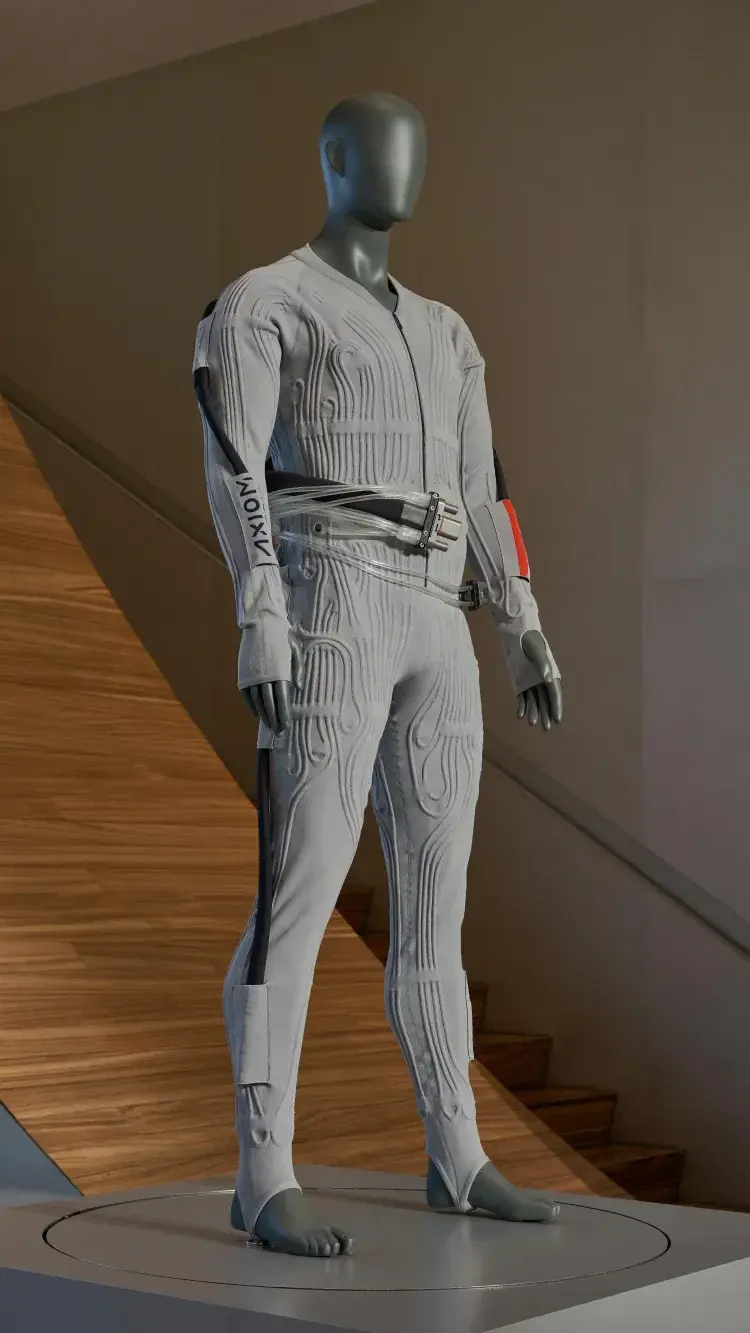 This synergy allows for lighter, more flexible, and more durable materials that do not sacrifice structural integrity. As the 2028 Artemis IV mission approaches, the successful implementation of this inner layer will be essential for the success of human exploration on the lunar frontier.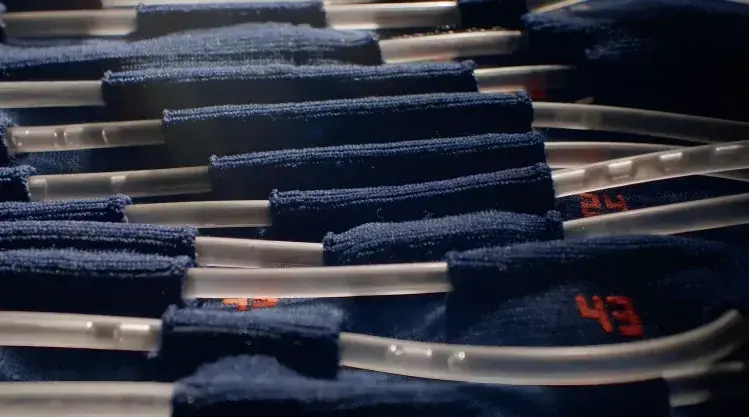
The fusion of high-fashion manufacturing techniques with critical aerospace engineering is a fascinating evolution in space exploration. We would love to hear your thoughts on whether this collaboration between luxury design firms and space agencies will become the standard for future interplanetary missions.
Your comment has been submitted,
it will be published after approval.