
NATO Ankara Summit Shapes the Future of NATO 3.0

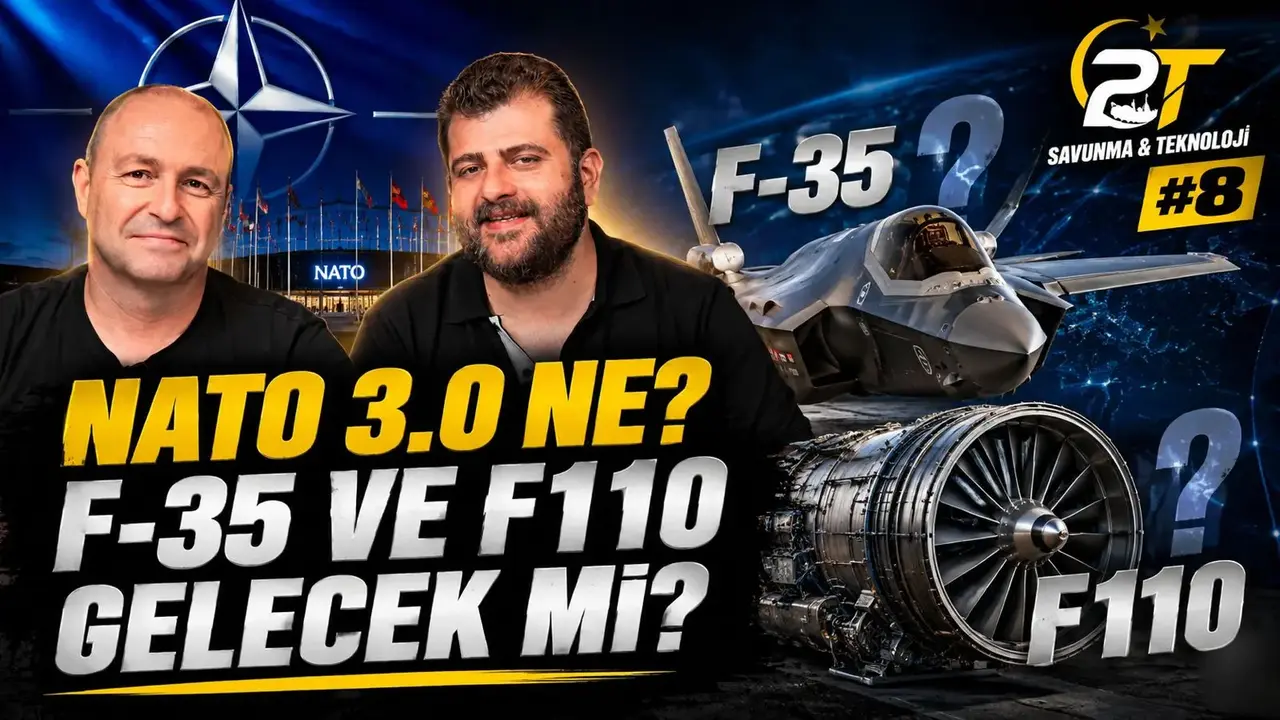
The 36th NATO Summit of Heads of State and Government took place in Ankara on July 7-8, 2026, marking a pivotal moment for the alliance’s future defense strategy. Hosted by Turkey, this high-level meeting solidified the transition toward the “NATO 3.0” era, prioritizing technological integration, increased defense spending, and collaborative procurement. Leaders discussed critical security issues, including the modernization of the alliance’s aerial capabilities and the formalization of new joint production standards, while reinforcing their commitment to collective security amid evolving global threats.
- NATO members announced over 139 billion dollars in additional defense investments for 2025.
- The alliance officially launched the NATO 3.0 strategy to prioritize artificial intelligence and cyber security.
- Participants agreed to procure 10 Saab GlobalEye early warning aircraft to replace aging Boeing E-3 systems.
- A 40 billion dollar investment program for drone technology and autonomous systems was established.
Defense Budgets Reach Record Levels
The summit addressed the urgent need for increased military funding across member states. European allies and Canada have committed to significant financial growth, targeting a five percent GDP allocation for defense by 2035. Beyond annual budgets, the assembly approved over 50 billion dollars in new acquisition programs designed to streamline supply chains and foster innovation within the defense industrial base.
The massive surge in defense spending marks the largest coordinated investment in NATO history.
Aerial Capabilities are Being Modernized
A central theme of the discussions involved upgrading the alliance’s surveillance and refueling fleet. Plans were finalized for the delivery of ten Airbus A330 MRTT tanker aircraft by the end of the year, with more units scheduled for 2028 and 2029. Furthermore, the decision to replace the outdated Boeing E-3 Sentry AWACS fleet with ten Saab GlobalEye aircraft represents a major leap in radar detection and hypersonic missile monitoring capabilities.
Drone Technology is Receiving Significant Investment
The newly unveiled “NATO Drone Edge” initiative will channel 40 billion dollars into unmanned systems over the next five years. This program focuses on acquiring high-altitude platforms like the MQ-4C Triton and developing a common drone marketplace. These tools are expected to play a vital role in maritime surveillance, critical infrastructure protection, and operations in the Arctic region.
Turkey Continues to Lead Defense Innovation
As the host nation, Turkey showcased significant advancements in its domestic defense industry. New contracts worth over 350 million dollars were discussed, covering the Steel Dome integrated air defense system, military communication infrastructure, and satellite technology. Furthermore, the alliance expressed strong support for integrating the ROKETSAN Kara ATMACA cruise missile into existing NATO digital networks.
Turkey’s role as a key producer of defense technology is expanding within the NATO framework.
Support for Ukraine Remains Steadfast
The alliance reaffirmed its unwavering support for Ukraine, pledging 70 billion euros in military aid for 2026. This assistance package includes training, equipment, and strategic logistics support. Leaders emphasized that Ukraine remains a vital partner for transatlantic security and vowed to maintain this level of commitment through 2027.
How do you evaluate the shift toward the NATO 3.0 strategy and its impact on global security? Share your thoughts on the technological investments discussed at the summit in the comments section below.
Your comment has been submitted,
it will be published after approval.