
New M6 MacBook Pro Models May Impact iPad Sales

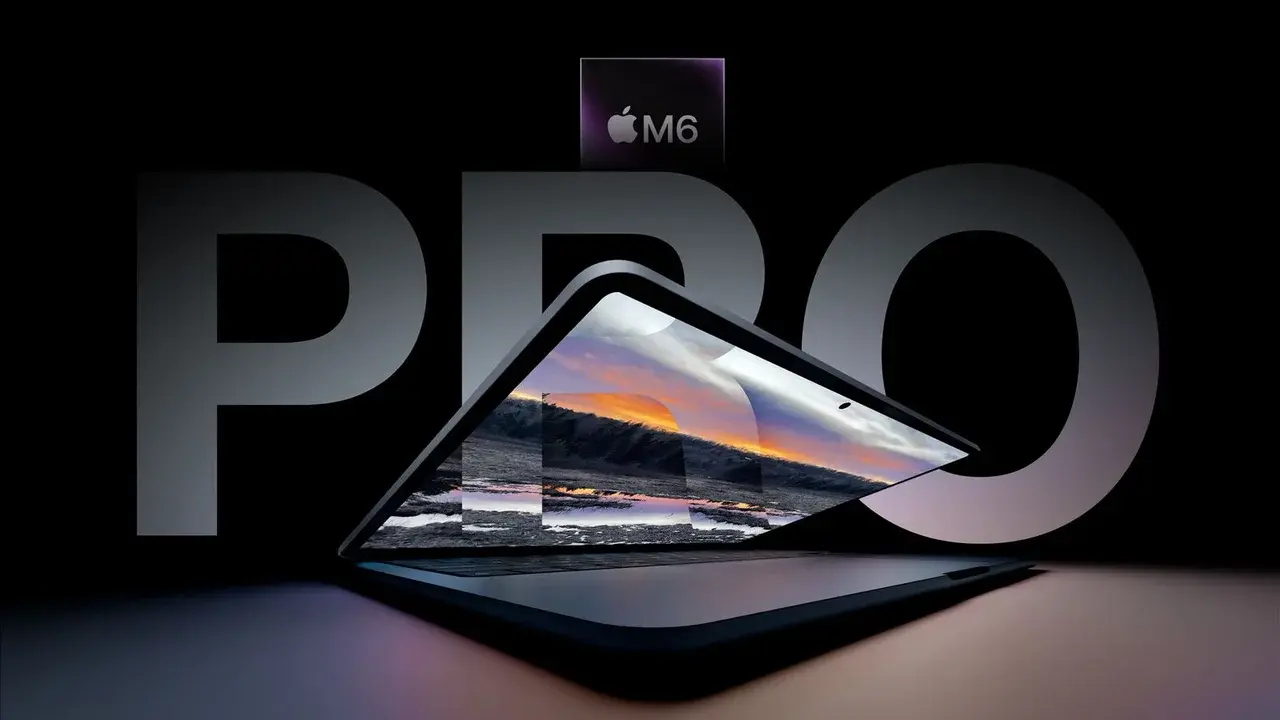
Apple is reportedly preparing significant hardware upgrades for its upcoming M6 MacBook Pro series, which are expected to launch later this year. According to industry reports, the tech giant plans to introduce a thinner chassis design, a revamped hinge mechanism to accommodate potential touchscreen functionality, and high-quality OLED displays. However, the most disruptive feature rumored for these new M6 MacBook Pro models is the integration of native 5G cellular connectivity. This shift toward mobile-first networking could fundamentally alter Apple’s product ecosystem, potentially cannibalizing iPad sales as users gain access to high-speed cellular data directly on their professional-grade macOS workstations.
- Apple plans to integrate 5G cellular connectivity into the M6 MacBook Pro series to enhance portable productivity.
- The company intends to replace existing mini-LED display panels with more efficient and vibrant OLED technology.
- Production is expected to benefit key manufacturing partners including Foxconn and Quanta.
- The new 5G feature may rely on Apple’s internal modem advancements to bypass high Qualcomm licensing costs.
The introduction of 5G connectivity represents a major milestone that bridges the gap between traditional laptop performance and mobile convenience.
5G Integration Will Change Portable Connectivity
While iPad models have offered cellular support for years, the desktop-class power of macOS provides a distinct advantage for professional workflows. Sources from United Daily News suggest that by bringing 5G support to the MacBook Pro, Apple is targeting power users who require constant internet access without relying on tethering or public Wi-Fi.  This move is strategically significant as it removes one of the last remaining barriers between the iPad’s mobility and the MacBook’s raw processing power.
Technical specifications regarding the integration remain under speculation, though experts point toward the potential use of the C2 5G modem technology, which is currently slated for the iPhone 18 lineup. Furthermore, the inclusion of a vapor chamber cooling system will be necessary to manage the thermal output generated by these advanced connectivity components.
Design Shifts Are Shaping Future Hardware
Apple has historically avoided cellular integration in its laptops due to the prohibitive licensing fees associated with third-party modem manufacturers like Qualcomm. However, with the company’s internal progress in modem development, it is now economically viable to bring these features to the high-end M6 Pro and M6 Max tiers. It is anticipated that the 5G service will function via eSIM, allowing users to activate cellular data plans through their existing carriers for an additional monthly fee.
Apple may limit these structural and connectivity upgrades to the premium M6 Pro and M6 Max models to maintain clear segmentation within its product lineup.
Market Competition Will Intensify Soon
The decision to prioritize cellular connectivity puts pressure on competitors who have struggled to make similar features popular in the Windows market. While some devices featuring the Snapdragon X2 Elite processor have attempted cellular integration, high costs and limited adoption have hindered widespread success. Apple’s reputation for seamless ecosystem integration might provide the necessary leverage to normalize 5G-enabled laptops as a standard for business professionals. As the launch date approaches, the industry remains focused on whether this change will indeed lead to a decline in iPad tablet sales as users consolidate their devices.
We are eager to hear your perspective on this potential hardware shift; how would native 5G connectivity on a MacBook Pro influence your daily workflow, and would it lead you to replace your tablet entirely? Share your thoughts in the comments section below.
Your comment has been submitted,
it will be published after approval.