
New OLED TVs Still Face Persistent Burn-in Risks

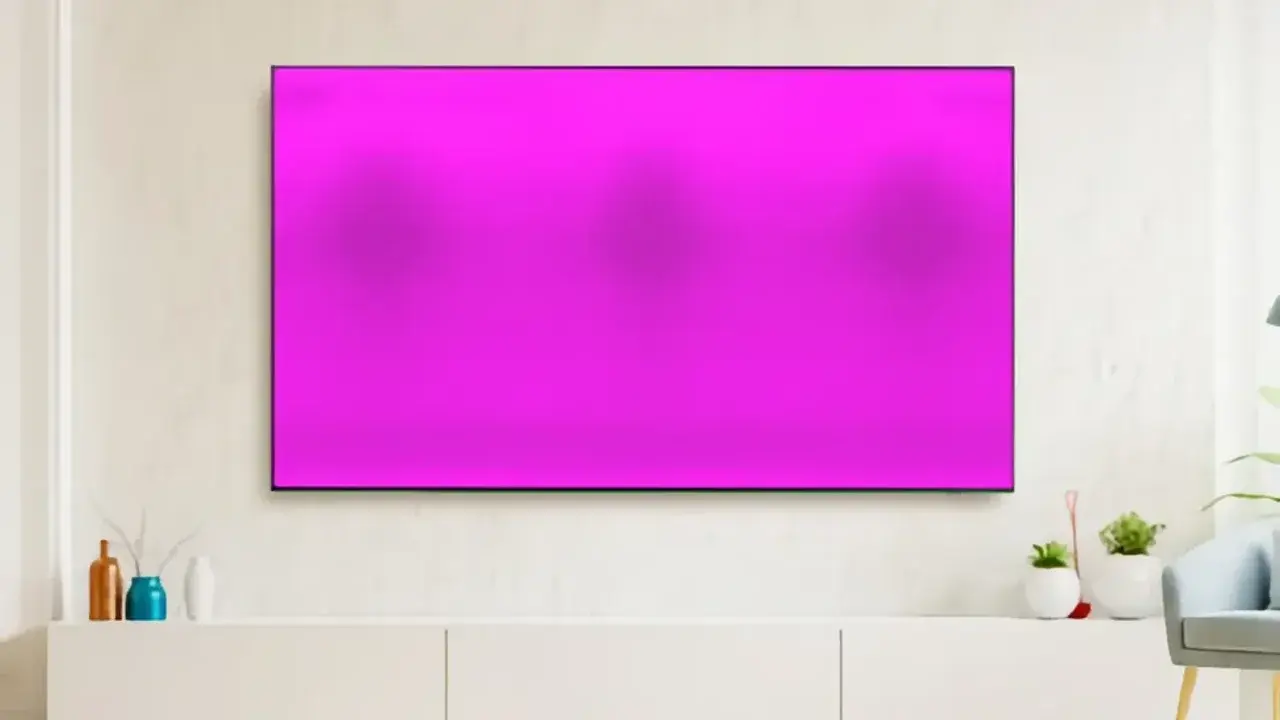
A comprehensive longevity study conducted by Rtings.com reveals that the latest generation of OLED TVs remains susceptible to screen burn-in, with sensitivity levels comparable to 2017 models. After subjecting various panels to 10,000 hours of simulated news channel content, researchers observed persistent image retention across newer devices. While modern OLED technology has achieved significant advancements in brightness and energy efficiency, the fundamental organic nature of the pixels means that the risk of burn-in has not been fully eradicated. This study highlights the ongoing challenge for manufacturers to balance extreme display performance with long-term hardware durability for consumers.
- Modern OLED panels retain a similar susceptibility to burn-in as older 2017 models after extensive usage.
- Latest 2023 OLED displays provide 28% higher sustained brightness compared to their 2017 predecessors.
- Newer television models demonstrate a 27% increase in energy efficiency while maintaining superior visual performance.
- Integrated protection features remain essential for mitigating pixel degradation during daily operation.
Technological advancements have significantly improved display performance despite the persistent nature of organic pixel wear.
Brightness and Efficiency Levels Continue to Increase
The extensive testing period encompassed various OLED models released between 2017 and 2023, evaluating them under real-world scenarios at maximum SDR brightness settings. The findings demonstrate that 2023 OLED televisions offer a 28% increase in sustainable brightness compared to the 2017 units. 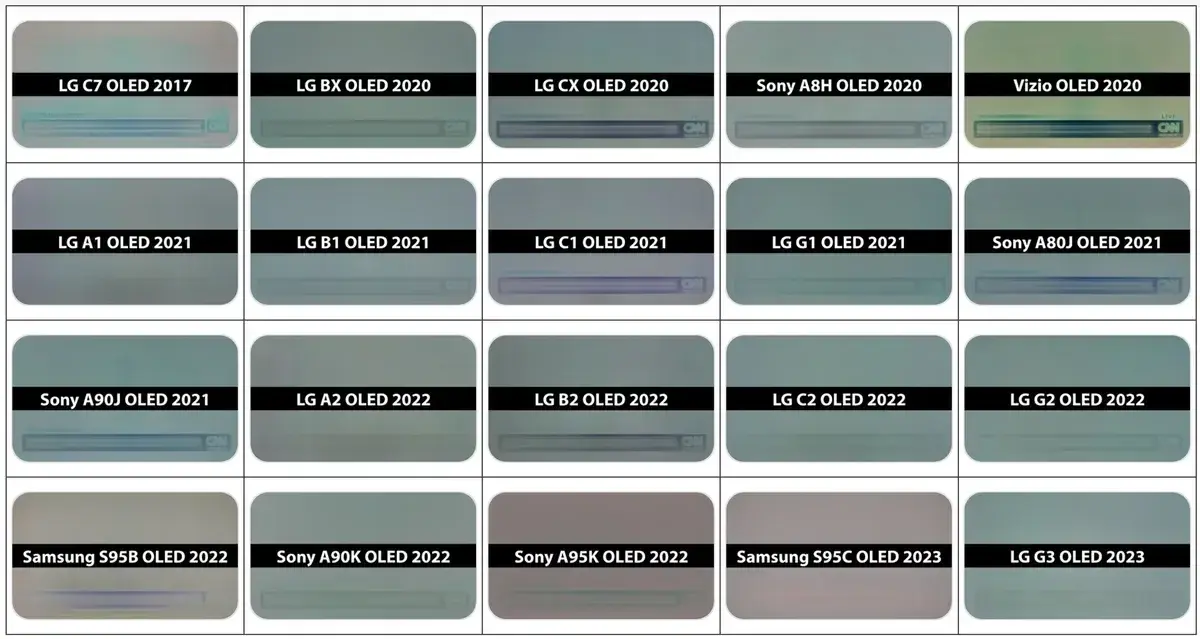
When subjected to full-screen brightness evaluations, the 2023 panels achieved values more than double those of the 2017 models. Significantly, this leap in performance does not translate into higher power draw. Instead, the 2023 models exhibit a 27% improvement in energy efficiency. For instance, while a 2017 model required 130W to reach 100 nits of brightness, a 2023 equivalent consumes only 95W to achieve the same output, proving that modern engineering allows for superior visuals with lower energy consumption.
New Strategies Protect Modern Panels
Because organic pixels naturally degrade over time, burn-in remains a factor that cannot be entirely ignored by users. 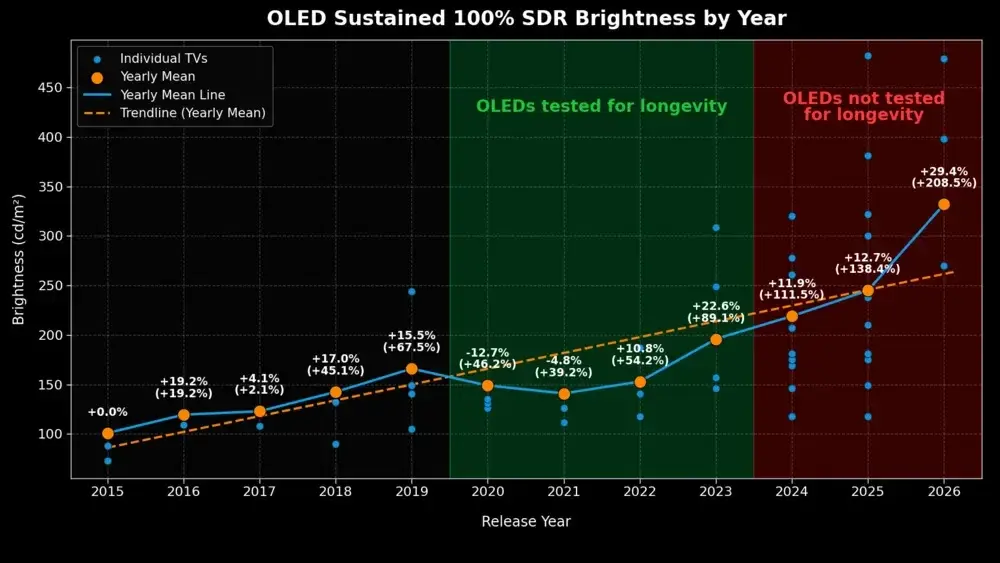 However, the increased brightness capacity of modern panels provides a strategic advantage: users can now operate their displays at lower intensity settings, thereby reducing stress on the panel while still enjoying high-quality images.
Strategic panel management is required to ensure long-term hardware longevity.
Although LCD panels currently retain a lead in maximum brightness due to their backlight systems, the gap is narrowing as OLED technology matures. Current flagship OLED displays are now capable of performing well even in brightly lit environments. Experts strongly advise against disabling internal panel protection features, as these automated systems effectively manage pixel health and keep burn-in risks negligible for the average viewer.
We would love to hear your perspective on this trade-off: do you prioritize the stunning brightness of modern OLED displays, or are you more concerned about the long-term longevity of your panel? Share your thoughts in the comments below.
Your comment has been submitted,
it will be published after approval.