
North Korean Hackers Develop Advanced AI Tools for Cyberattacks


A notorious North Korean-linked hacking group known as Kimsuky has begun developing sophisticated artificial intelligence tools to escalate their cyberattack capabilities. According to a recent report published by the South Korean cybersecurity firm Genians, the group is now utilizing various software frameworks to operate and manage AI models directly on local systems. By integrating large language models and advanced data processing techniques, these threat actors have shifted their operational focus toward local execution to bypass detection. This strategic move marks a significant evolution in the group’s methodology, allowing them to process stolen data without relying on external cloud-based artificial intelligence services.
- The Kimsuky hacker group integrated tools like Ollama and GPT4All to run AI models on local infrastructure.
- Attackers utilize Retrieval Augmented Generation technology to perform advanced searches on sensitive documents.
- The group creates highly convincing fraudulent investment and corporate reports to enhance social engineering success.
- State-sponsored hackers now automate malicious software development and data analysis through generative AI.
AI Integration Transforms Cyberattack Strategies
The findings from Genians suggest that Kimsuky is moving far beyond the simple use of generative AI for drafting phishing emails. Instead, the group is embedding these technologies into the core of their cyber offensive operations. This includes the automation of malware development and the rapid analysis of exfiltrated data. By keeping these processes internal, the attackers effectively mask their activities from traditional network monitoring tools that often flag suspicious traffic to external AI endpoints.
The transition to localized AI operations represents a dangerous leap in the sophistication of state-sponsored cyber warfare.
Security researchers have observed that these AI-driven tools are being used to generate highly accurate simulations of legitimate financial documents and corporate communications. By mimicking professional investment reports and internal business correspondence, the attackers significantly increase the probability that their targets will fall victim to social engineering schemes. 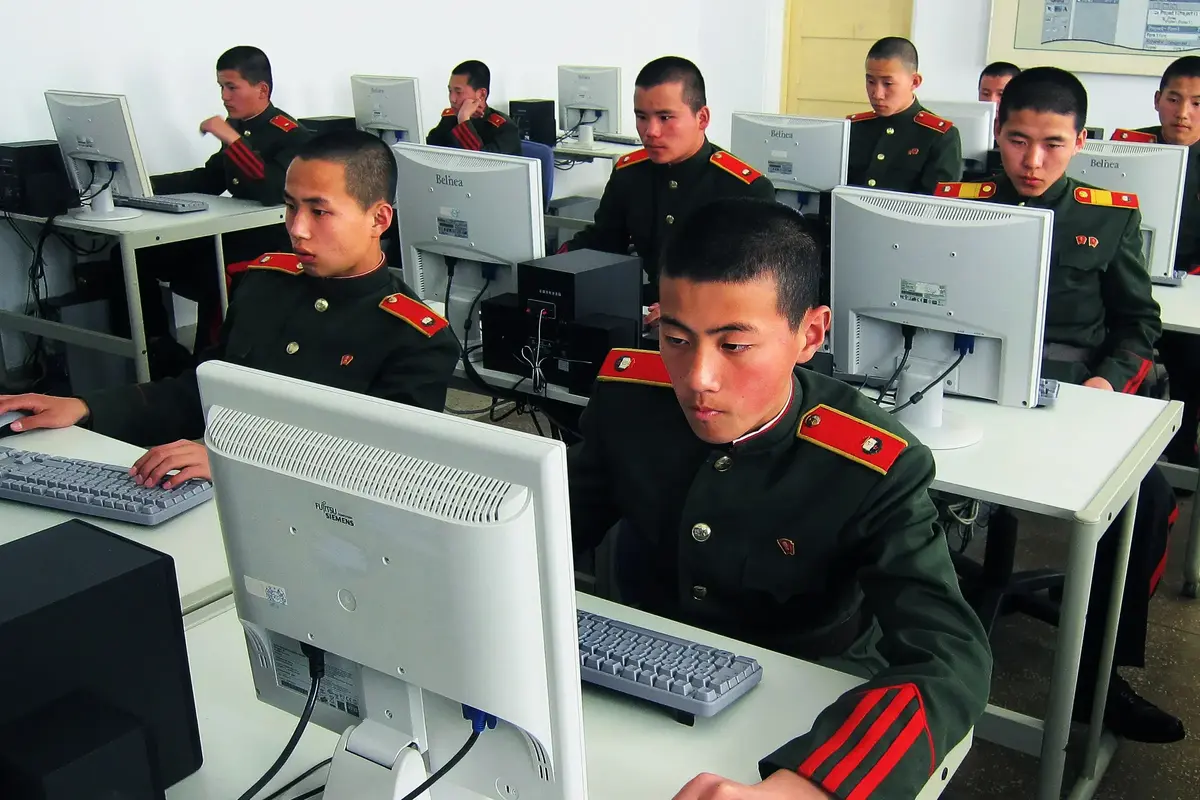
State Actors Elevate Global Cyber Threats
Kimsuky has long been identified as a critical arm of North Korean cyber operations, frequently engaging in espionage and financial theft to support the regime. The incorporation of generative AI into their toolkit indicates that the group is modernizing its approach to maintain its effectiveness against increasingly fortified global cybersecurity defenses.
As these actors gain the ability to process vast amounts of sensitive information locally, the window of opportunity for security teams to intercept malicious activity continues to shrink. Cybersecurity professionals are now facing the challenge of identifying threats that are generated or analyzed within isolated, air-gapped, or locally controlled environments.
Given the rising threat of AI-integrated malicious activity, what do you believe is the most critical defensive measure organizations should implement to protect their sensitive data against these evolving tactics?
Your comment has been submitted,
it will be published after approval.