
Nothing Develops Two Distinct Smart Glasses Models

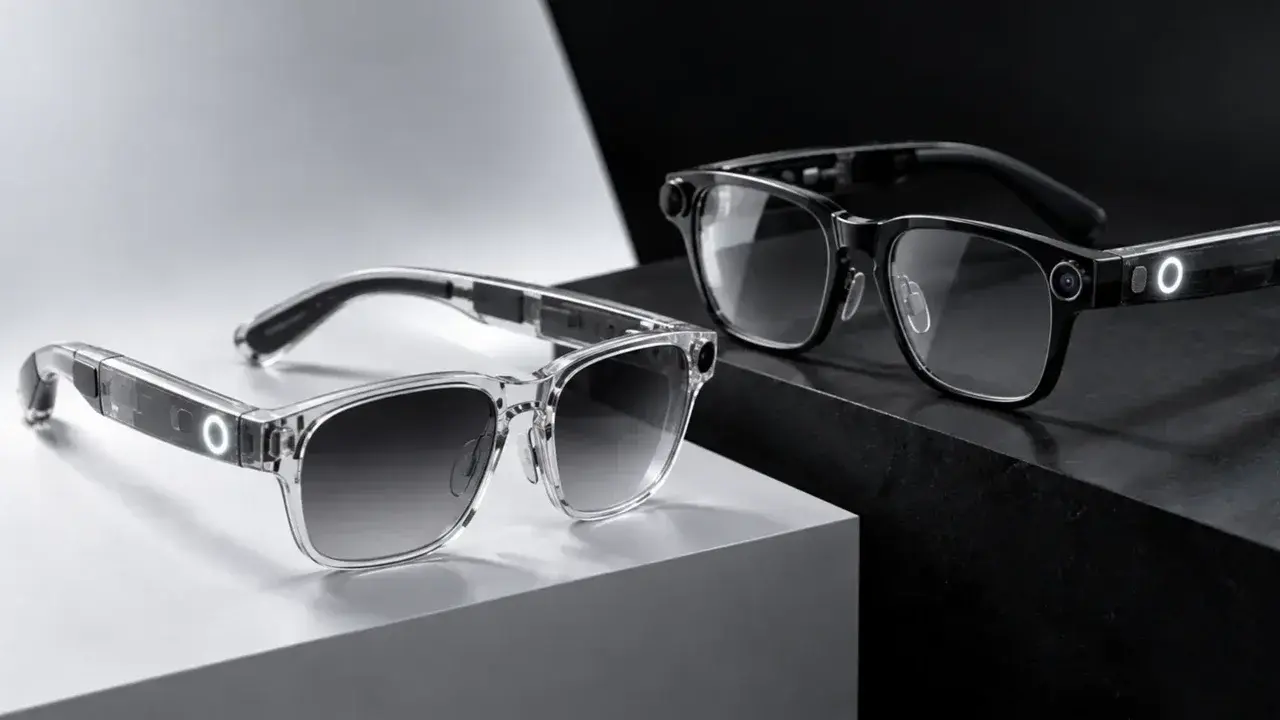
Nothing, the innovative technology company, is currently developing two distinct smart glasses models as part of a significant expansion of its wearable technology portfolio. According to recent reports, the tech firm is designing these devices to cater to different segments of the consumer market, ranging from advanced AI-integrated hardware to minimalist, audio-focused accessories. This strategic development indicates that Nothing intends to solidify its presence in the competitive landscape of personal tech by 2027. By diversifying its approach, the company aims to balance cutting-edge artificial intelligence features with practical, everyday utility for a wide range of users globally.
- Nothing is actively designing two unique smart glasses models to broaden its wearable technology ecosystem.
- The premium version will feature an integrated camera and ChatGPT-powered artificial intelligence capabilities.
- The secondary model functions primarily as an audio accessory for phone calls and voice assistant interaction.
- Both upcoming devices are expected to utilize photochromic lens technology to adjust to varying lighting conditions.
Advanced AI Features Define the Premium Model
The first model in development distinguishes itself through a suite of sophisticated features designed for power users. Unlike many competitors that rely on Google Gemini, Nothing has chosen to integrate ChatGPT directly into the device. This decision aligns with the company’s previous hardware strategy, which has consistently favored the OpenAI platform for its ecosystem.
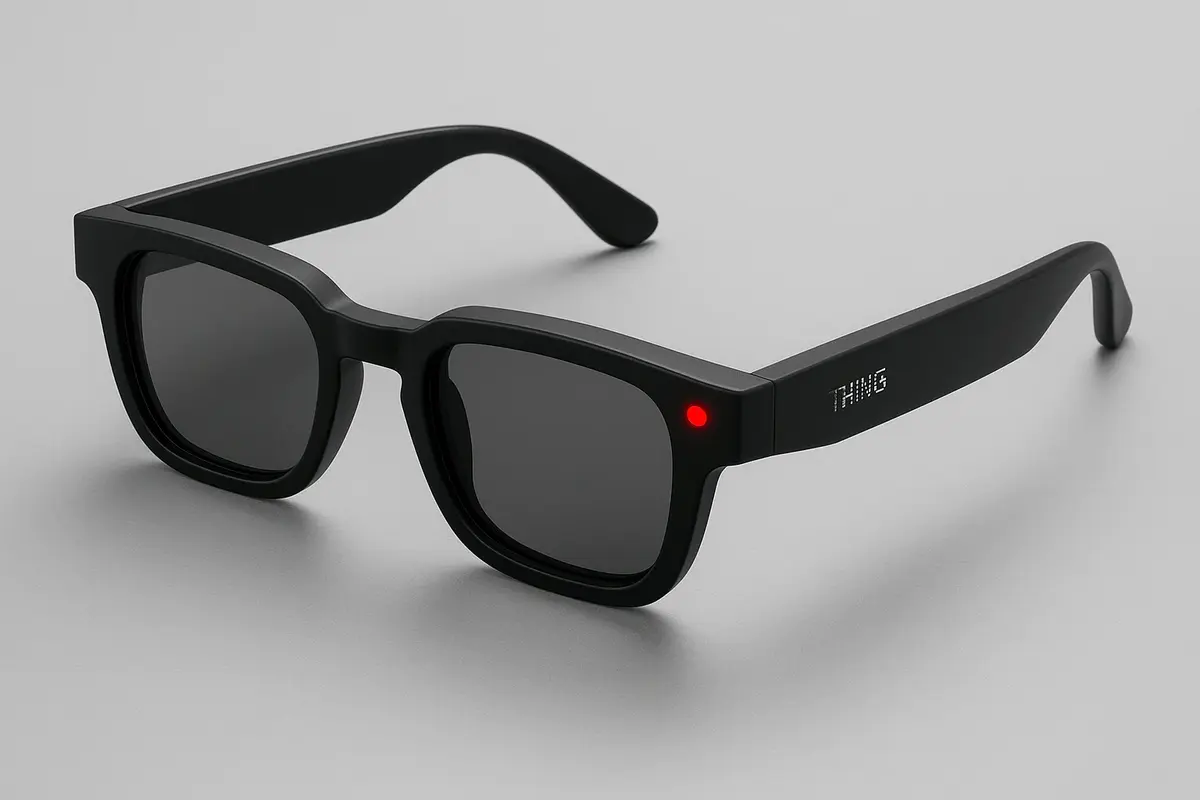
Furthermore, this high-end version incorporates an integrated camera, enabling users to leverage advanced AI functions such as real-time language translation and visual analysis. By positioning this device as a high-tech assistant, the company hopes to attract early adopters who prioritize efficiency and cutting-edge software integration over traditional wearable designs.
Minimalist Approach Guides the Secondary Model
In contrast to the feature-heavy premium option, the second model emphasizes simplicity and core functionality. This version is designed to act essentially as a pair of smart glasses with audio capabilities, serving as a hands-free device for phone calls and basic digital interaction. Notably, this model lacks both a built-in camera and direct, complex AI integrations.
By removing these components, the design remains lightweight and discreet. Users can interact with their smartphone’s existing voice assistants through the glasses, providing a seamless experience for those who prefer function over complex visual processing. This approach highlights the company’s commitment to creating hardware that serves as an extension of the user’s existing mobile environment.
Shared Technologies Shape Future Expectations
Despite the functional differences between the two models, both devices will share common hardware traits, most notably the inclusion of photochromic lenses. These lenses are designed to automatically darken or lighten based on the intensity of ambient light, ensuring optimal visibility in various environments. This feature has become a standard requirement for consumers looking for practical smart eyewear that does not compromise on style or comfort.
The dual-model strategy is widely interpreted as a response to growing market demand for AI-driven hardware. Analysts suggest that by offering both a high-end AI tool and a minimalist audio device, Nothing is positioning itself to capture both the enthusiast market and the mainstream audience. While industry reports suggest a target release window around 2027, the company continues to refine its roadmap to ensure these wearables meet its rigorous design and performance standards.
We are eager to hear your thoughts on these upcoming wearable devices from Nothing; would you prefer a feature-packed AI assistant or a simpler, audio-focused pair of glasses for your daily routine?
Your comment has been submitted,
it will be published after approval.