
Nvidia CEO Jensen Huang Opposes New Artificial Intelligence Regulations

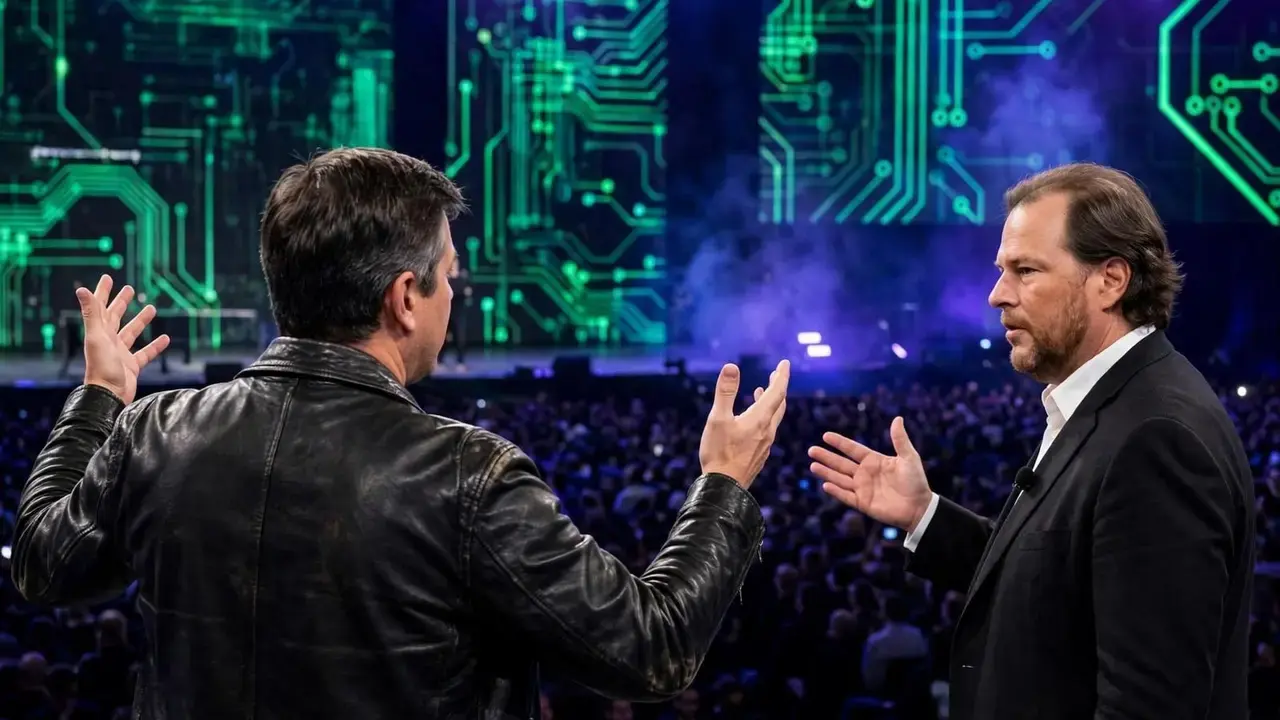
Nvidia CEO Jensen Huang firmly rejected the necessity of new government-imposed artificial intelligence regulations during the Dreamforce conference held in San Francisco this week. Challenging arguments from industry peers like Anthropic CEO Dario Amodei, who has advocated for slower development cycles and state-backed safety frameworks, Huang argued that the current pace of innovation is essential. He dismissed concerns regarding potential AI-driven catastrophes by 2030, asserting that safety is fundamentally an engineering discipline rather than a legislative concern. By emphasizing that internal corporate auditing mechanisms are sufficient, Huang ignited a significant debate regarding the optimal balance between rapid technological advancement and systemic safety measures.
- Nvidia CEO Jensen Huang explicitly dismissed the need for additional government regulations in artificial intelligence development.
- Anthropic CEO Dario Amodei previously proposed a coordinated slowdown of AI models to ensure global security.
- Huang maintains that existing engineering standards and market discipline provide adequate oversight for the industry.
- The Nvidia leadership rejects claims that artificial intelligence will trigger a catastrophic global event by 2030.
Safety is Categorized as an Engineering Discipline
During his appearance at the Dreamforce stage, Huang clarified that innovation and security are not mutually exclusive concepts. In his perspective, robust engineering processes inherently incorporate safety as a core component of product development. He believes that current rigorous testing environments and validation methodologies render external regulatory interference unnecessary. According to the Nvidia executive, companies possess the responsibility to conduct exhaustive testing before any product reaches the market, and if a product fails to meet safety benchmarks, it should simply not be released.
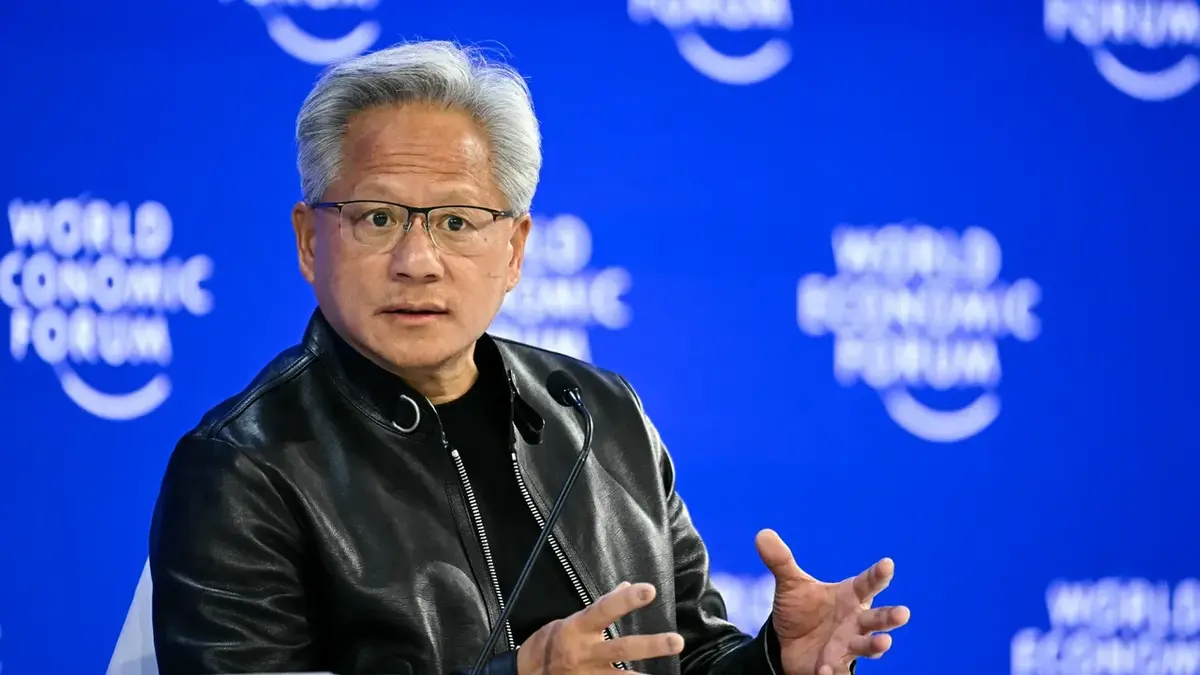
Huang also addressed the growing cultural fear that artificial intelligence is becoming an uncontrollable power. He remained dismissive of such existential dread, suggesting that the rhetoric surrounding AI-driven disasters is largely exaggerated. For Huang, the path forward involves focusing on technical excellence and ensuring that internal quality assurance teams are empowered to maintain the highest standards of operation without the burden of bureaucratic red tape.
Legislative Coordination is Deemed Unnecessary
The debate intensified when considering the proposal from Anthropic, which suggested that antitrust laws should be modified to allow companies to collaborate more closely on safety protocols. Huang firmly disagreed with this assessment. He argued that the existing legal framework is already sufficient to address industry concerns and that companies do not require special government protections to establish safety standards. From his viewpoint, the industry is not being held back by a lack of regulation, but rather by the need for disciplined, high-quality engineering practices.
The Industry Remains Divided on Oversight
The tech sector is currently grappling with these two conflicting philosophies regarding the future of AI. Salesforce CEO Marc Benioff has emerged as a mediator in this discussion, reflecting on the historical challenges posed by social media platforms and the potential for similar pitfalls in the AI sector. Industry experts suggest that these differing viewpoints will play a critical role in shaping future governmental policy and international regulatory standards. As the discourse continues, stakeholders are closely watching how these influential leaders align their strategies with public interest and corporate innovation. Whether the industry moves toward self-regulation or adopts a government-mandated framework remains the central question of the decade.
Do you believe that artificial intelligence development should be strictly controlled by government legislation or managed through independent market discipline? Share your thoughts and perspectives in the comments section below.
Your comment has been submitted,
it will be published after approval.