

In a move that’s as calculated as it is controversial, the US has cleared Nvidia to export H200 AI chips to China, handing Beijing a serious hardware upgrade at a price. While the chips aren’t Nvidia’s latest, they’re powerful enough to give China’s AI ecosystem a major jolt, just when its own domestic chipmakers are starting to show real teeth.
US lets Nvidia sell H200 AI chips but takes a 25% cut
The deal comes with strings. Nvidia will need to hand over 25% of revenue from H200 chip sales to the US government. That might sound steep, but with monthly exports potentially pulling in $5 billion, Nvidia isn’t likely to complain. After all, the company lobbied hard to get this permission and it paid off.
The H200 chips may not match the newer Blackwell line, but they still outperform anything made inside China. That includes Huawei’s flagship Ascend 910C. For Beijing, this opens up new AI training possibilities, moving away from efficiency hacks and toward brute-force LLM scaling.
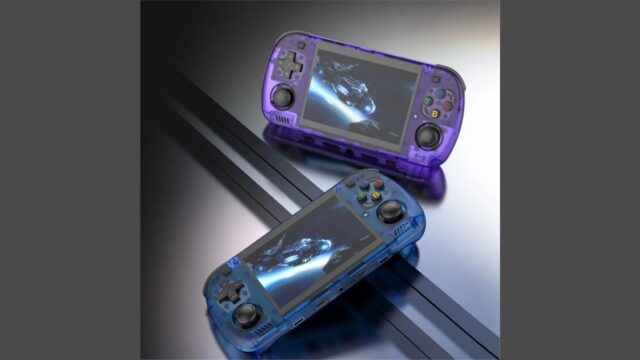
The R36H Pro Max retro handheld launches globally for under $50, offering PS1 and N64 emulation, Wi-Fi, and a sharp 768p display.
China’s AI chatbots already rival global players
Despite hardware limits, China has made surprising progress. Its Doubao chatbot is already chasing Google Gemini in daily token usage. Rather than relying on a few ultra-powerful chips, developers have leaned into quantity building dense, scalable clusters with lesser GPUs.
Meanwhile, Huawei has introduced software improvements that drastically increase cluster efficiency. And startups like DeepSeek are pushing limits, claiming to process 200,000 pages per day using a single Nvidia A100 card. That shows just how much optimization Chinese firms can squeeze from existing tech.
China may still hesitate on foreign chips
Even so, it’s unclear how eagerly China will embrace the H200 deal. Local players are making real progress, and Beijing is actively looking for ways to reduce dependence on foreign chipmakers. With rising confidence in homegrown hardware, Chinese firms could see the US offer as a temporary fix not a long-term solution.
Profit now, control later
Critics in Washington have slammed the export greenlight, citing national security concerns. But Nvidia pitched it differently: let us sell the old stuff now, and use that money to build the new, better chips which China won’t get until they’re outdated.
It’s a strange trade. The US gets a revenue slice, Nvidia gets to keep the pipeline flowing, and China gets a shortcut though not the fastest one available.
Nvidia AI races, but the rules are bending
The Nvidia H200 deal is more than a tech export. It’s a bet. Washington is gambling that money and control now are worth more than blocking China entirely. But if Chinese chipmakers close the gap faster than expected, that bet could backfire fast.