
Nvidia DLSS 5 Technology Emerges in NBA 2K27 Files

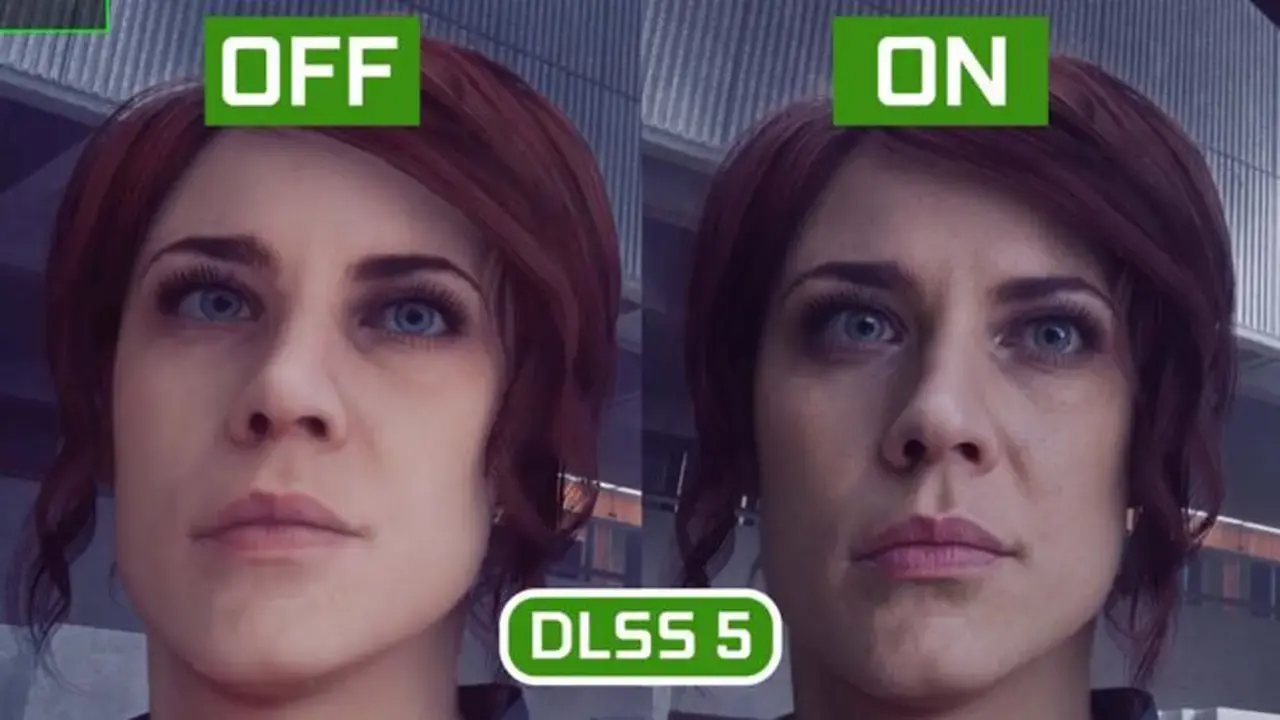
Nvidia’s highly anticipated and yet-to-be-announced DLSS 5 graphics technology has been unexpectedly discovered within the installation files of NBA 2K27, triggering widespread excitement among tech enthusiasts and data miners. This experimental neural rendering infrastructure, which was extracted by users via early access files, is already being tested in major titles including Control, Cyberpunk 2077, and Black Myth: Wukong. While the technology promises to redefine graphical fidelity through advanced artificial intelligence, its current integration is being scrutinized for significant performance demands that suggest it is still in the early stages of development.
- Nvidia DLSS 5 was discovered as an experimental module inside the NBA 2K27 game files.
- The technology utilizes a new neural rendering architecture to enhance visual quality significantly.
- Early benchmarks indicate a substantial performance cost of approximately 50 percent during active testing.
- Hardware experts anticipate that the full capabilities of DLSS 5 are intended for the upcoming RTX 50 series graphics cards.
Experimental Features Enhance Visual Fidelity
The core innovation of DLSS 5 lies in its sophisticated neural rendering engine, which focuses on delivering unprecedented realism in character facial features and environmental textures. Unlike previous iterations, this version leverages deep learning to sharpen original assets, resulting in more natural and fluid imagery. Initial testing in graphically demanding environments, such as Cyberpunk 2077, demonstrates that the AI successfully elevates details that were previously prone to blurring or aliasing. This leap in visual quality suggests that Nvidia is moving toward a future where AI-driven post-processing becomes the primary standard for high-end rendering.
Hardware Demands Necessitate Further Optimization
Despite the impressive visual results, the current implementation of DLSS 5 introduces a heavy burden on existing hardware. Reports from the gaming community indicate that enabling the feature currently results in an approximate 50 percent drop in frame rates. This performance deficit highlights the experimental nature of the current build, which likely lacks the final optimizations required for a stable commercial release. Industry analysts expect that subsequent updates and the introduction of new hardware architectures will eventually mitigate these performance overheads, allowing the technology to run more efficiently.
RTX 50 Series Will Support Advanced Features
Market analysts suggest that Nvidia plans to position DLSS 5 as a flagship selling point for the upcoming RTX 50 series graphics cards. The intense computational load required for the neural processing appears to exceed the capacity of current-generation hardware, pointing to a need for the specialized architecture found in next-generation GPUs. As developers begin to integrate this technology into future AAA projects, it is expected that the industry will shift toward this new standard of neural-enhanced graphics, effectively pushing the boundaries of what is possible in interactive entertainment.
How do you feel about the transition toward AI-driven neural rendering in modern gaming? Do you believe the trade-off between visual quality and raw performance is worth it, or should developers focus on stability first? Share your thoughts and predictions in the comments section below.
Your comment has been submitted,
it will be published after approval.