

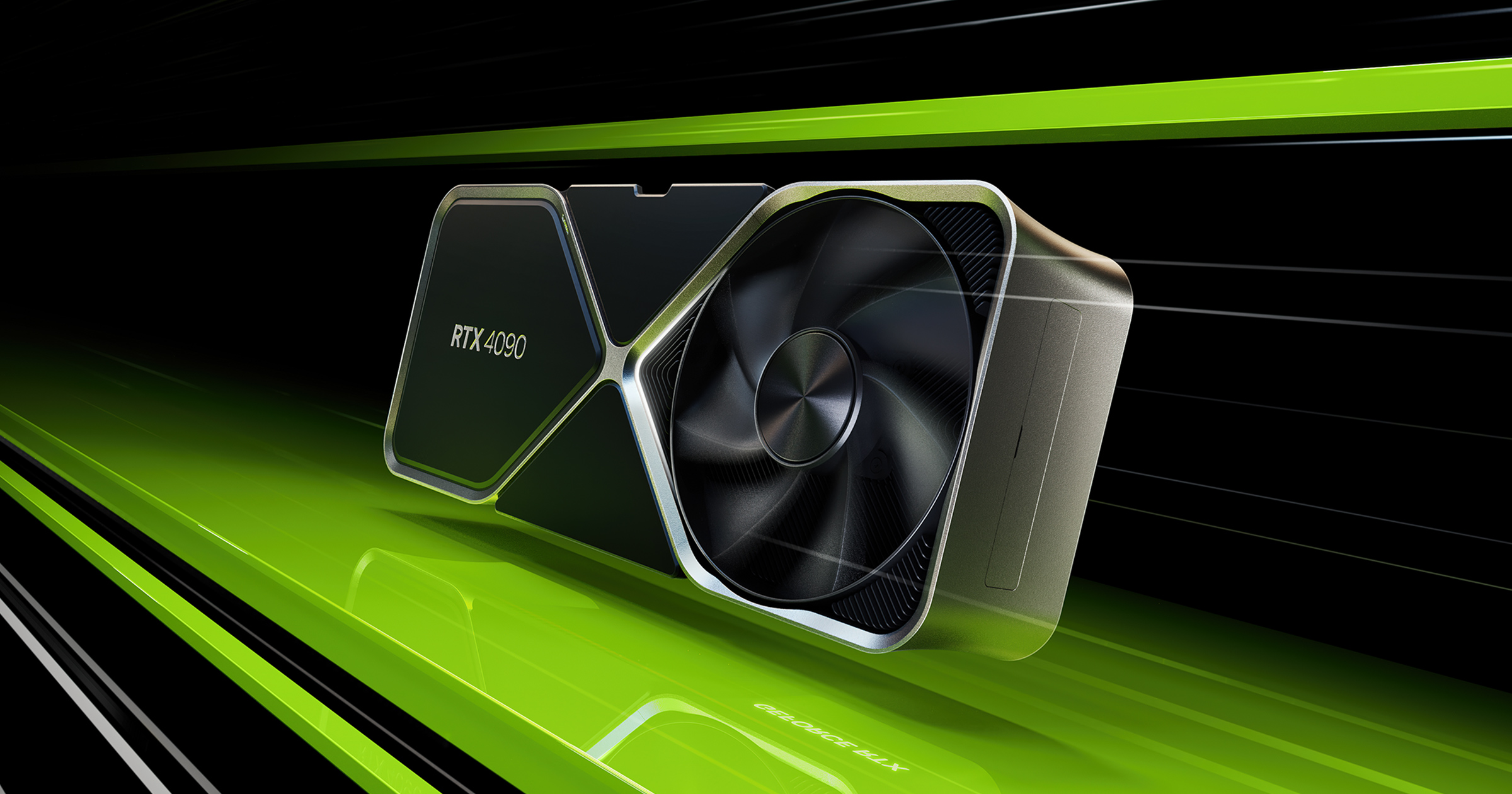
Nvidia has officially confirmed there will be no new Nvidia graphics card release at CES 2026, a surprising move that breaks a five-year tradition for the technology giant. The company announced via its website and social media channels that fans should not expect any new GPU announcements at this year’s event, signaling a major strategic shift away from its usual hardware-focused presentations.
Why is Nvidia Pausing Its Graphics Card Release?
Instead of a hardware launch, the company’s “GeForce On” community update, scheduled for January 5th, will focus on software innovations. According to the official statement, the event will detail the latest features for gamers and content creators, including new games, applications, and partner products. This marks a significant change from previous years, where this platform was used to unveil new hardware like the RTX 50 series, making this year’s absence particularly noteworthy for industry watchers.
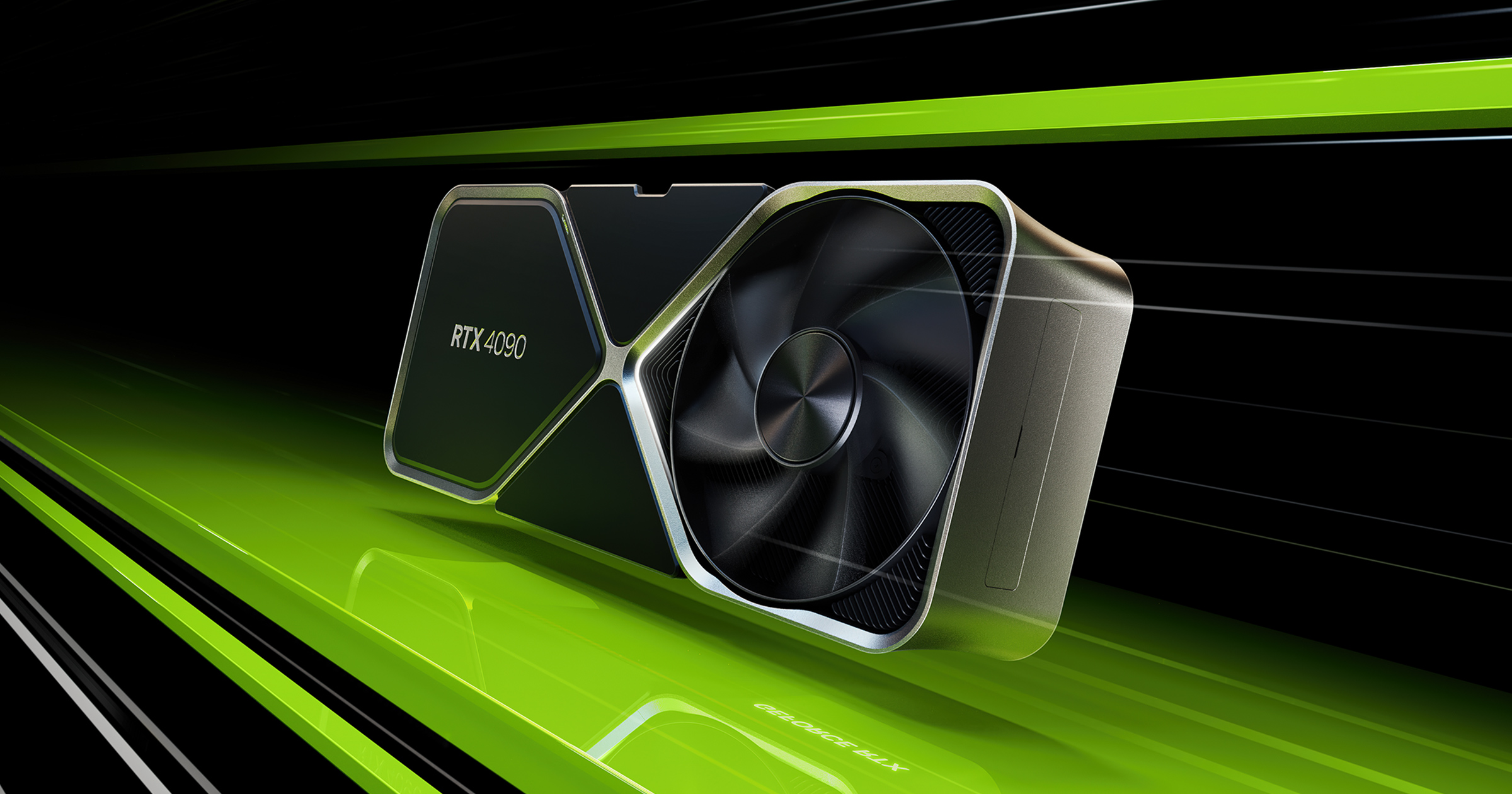
Industry insiders suggest that the primary reason for delaying the much-anticipated RTX 50 Super series is a critical shortage of GDDR7 memory modules. Specifically, insufficient production of 3GB GDDR7 chips has forced Nvidia to postpone or completely alter its roadmap for the new Super models. Consequently, the company is reportedly redirecting its limited memory resources toward products with higher profit margins, such as AI data center GPUs and professional workstation cards.
A Strategic Pivot to Artificial Intelligence
Major memory manufacturers like Samsung, SK Hynix, and Micron have allocated a large portion of their advanced memory production capacity to AI clients, which are far more profitable than consumer products. Due to these constraints, it is rumored that Nvidia may reduce its RTX 50 series production by 30 to 40 percent in the first half of 2026. This market reality necessitates a strategy focused on AI infrastructure over consumer graphics cards.
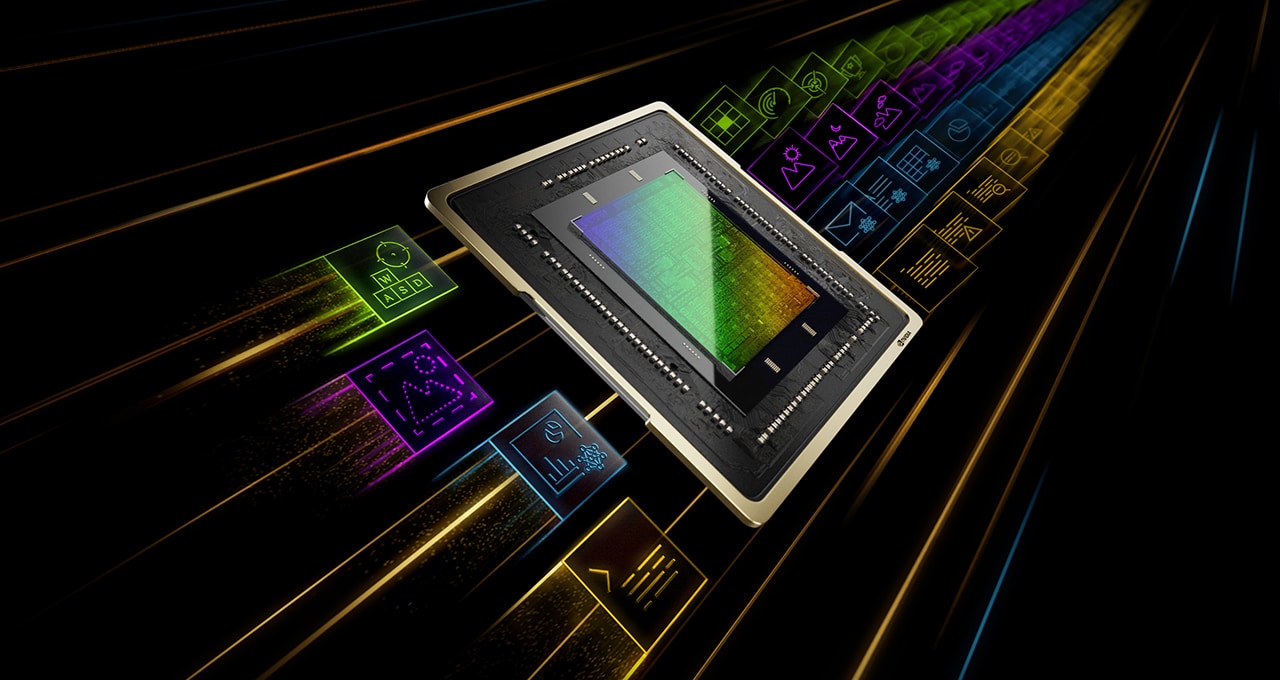
Nvidia is increasingly positioning itself as an AI data center infrastructure company rather than just a graphics card manufacturer. This transformation is strongly supported by its financial data; in the third quarter of fiscal year 2026, a staggering 90% of its $51.2 billion revenue came from the data center segment. CEO Jensen Huang also revealed that the high-demand Blackwell AI chips are completely sold out, with cloud providers integrating an average of 72,000 Blackwell GPUs weekly. Therefore, users attending the GeForce On event will likely see software-focused presentations on DLSS 4 improvements and new game support instead of new hardware.
So, what are your thoughts on Nvidia’s focus shift from gaming to AI? Share your opinions with us in the comments!