
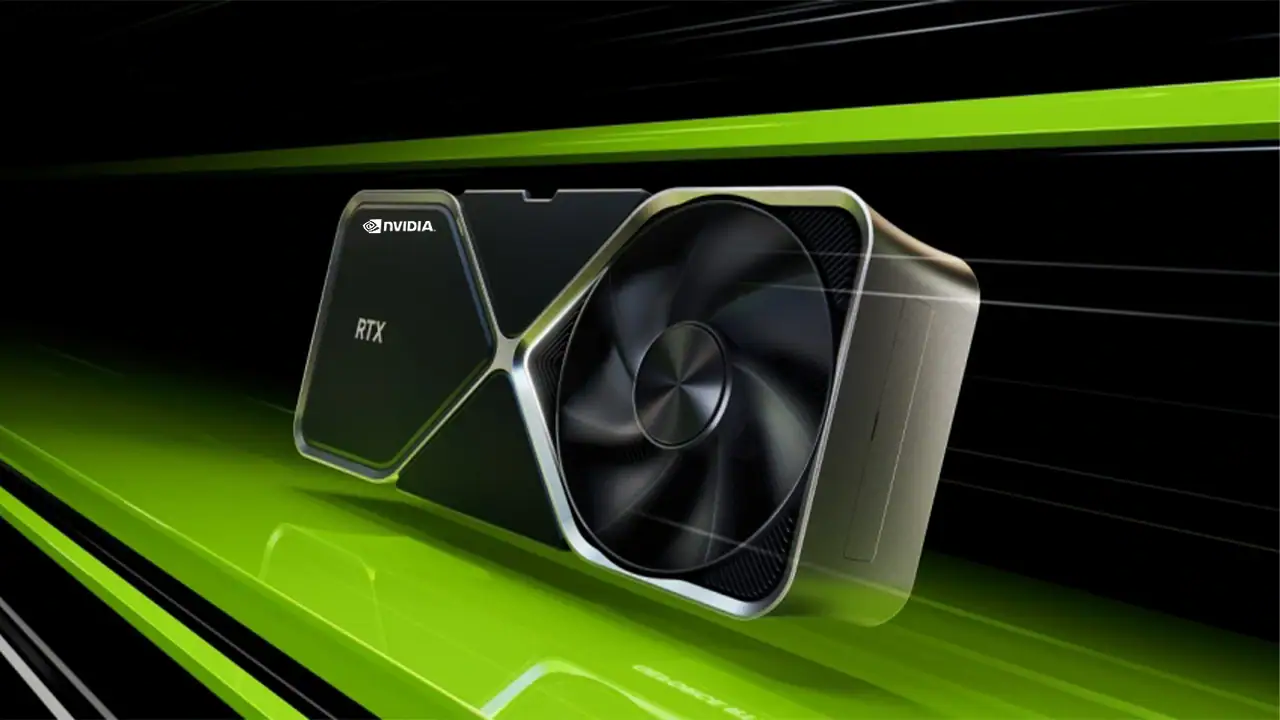
Supply chain issues are once again impacting the global technology market, with gamers’ favorite hardware taking a significant hit. According to recent reports, the Nvidia RTX 5070 Ti production has been officially halted. This decision, confirmed by one of Nvidia’s largest partners, Asus, stems from a severe global shortage of DRAM RAM chips that is affecting the entire industry.
Global RAM Crisis Halts Nvidia RTX 5070 Ti Production
In a statement to Hardware Unboxed, officials from Asus confirmed that not only the RTX 5070 Ti but also the RTX 5060 Ti model is nearing its end of life. The crisis has deepened significantly since October 2025, when OpenAI reserved approximately 40% of the global RAM supply for its artificial intelligence servers, causing prices to soar. Furthermore, Micron, one of the world’s largest memory manufacturers, exacerbated the situation by shifting its focus from the consumer market to corporate production. Consequently, the price of DDR5 memory is projected to quadruple by late 2025, making the manufacturing costs for graphics cards unsustainable.
The High Cost of VRAM and the RTX 5080 Strategy
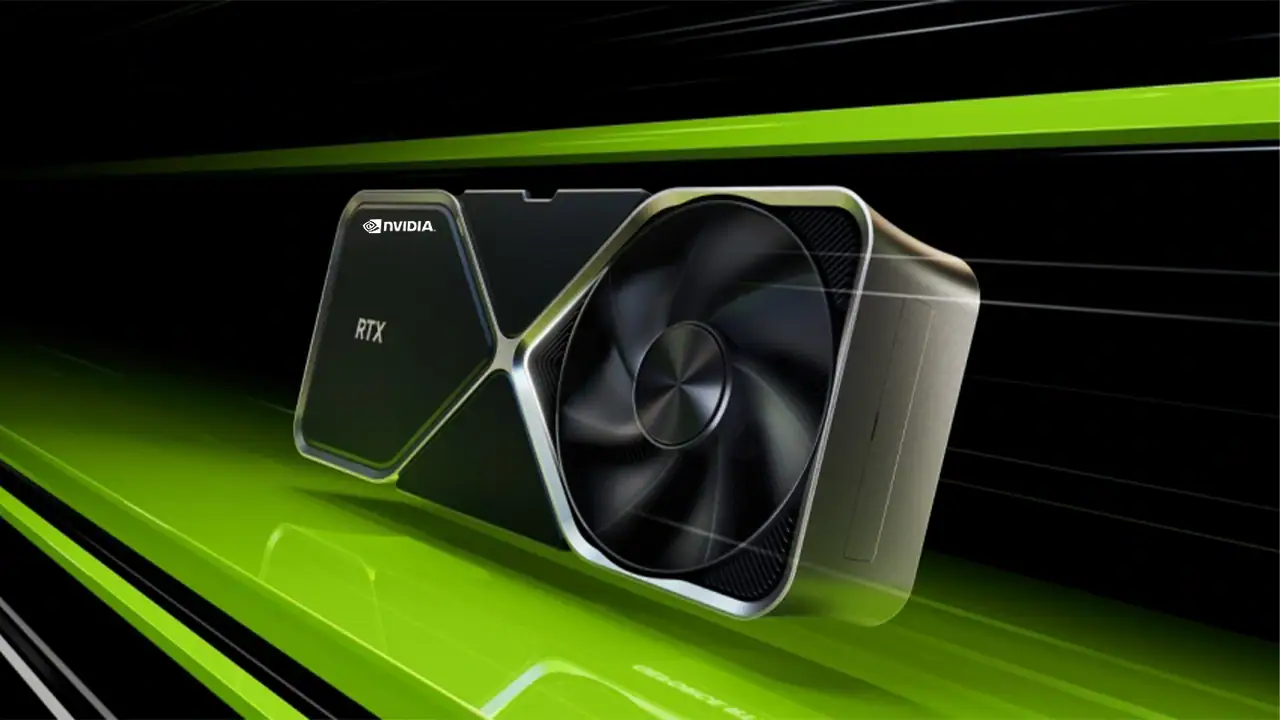
A key factor behind the production halt is the 16 GB GDDR7 memory used in both affected cards. Manufacturers are now choosing to allocate their limited stock of memory chips to more expensive and profitable models like the GeForce RTX 5080, which has a starting price of around $1,300, instead of the lower-margin RTX 5070 Ti. This strategic shift means fewer options and higher prices for gamers seeking mid-to-high-range GPUs. The market is already feeling the pressure, with RTX 5090 cards reportedly selling for as much as $3,000 on the black market.
Is a Legendary GPU Making a Comeback?
Amidst this challenging landscape, there are rumors that Nvidia is exploring a budget-friendly solution. Speculation suggests the company is preparing to re-release the veteran RTX 3060, a long-time leader in Steam hardware surveys, in the first quarter of 2026. Because it utilizes older technology, the RTX 3060 has a lower production cost. Therefore, it could be offered as an affordable lifeline to gamers during the ongoing crisis.
So, what are your thoughts on this RAM crisis and Nvidia’s production decisions? Share your opinions with us in the comments!