
Nvidia RTX 5090 Prices Skyrocket Due to AI Demand

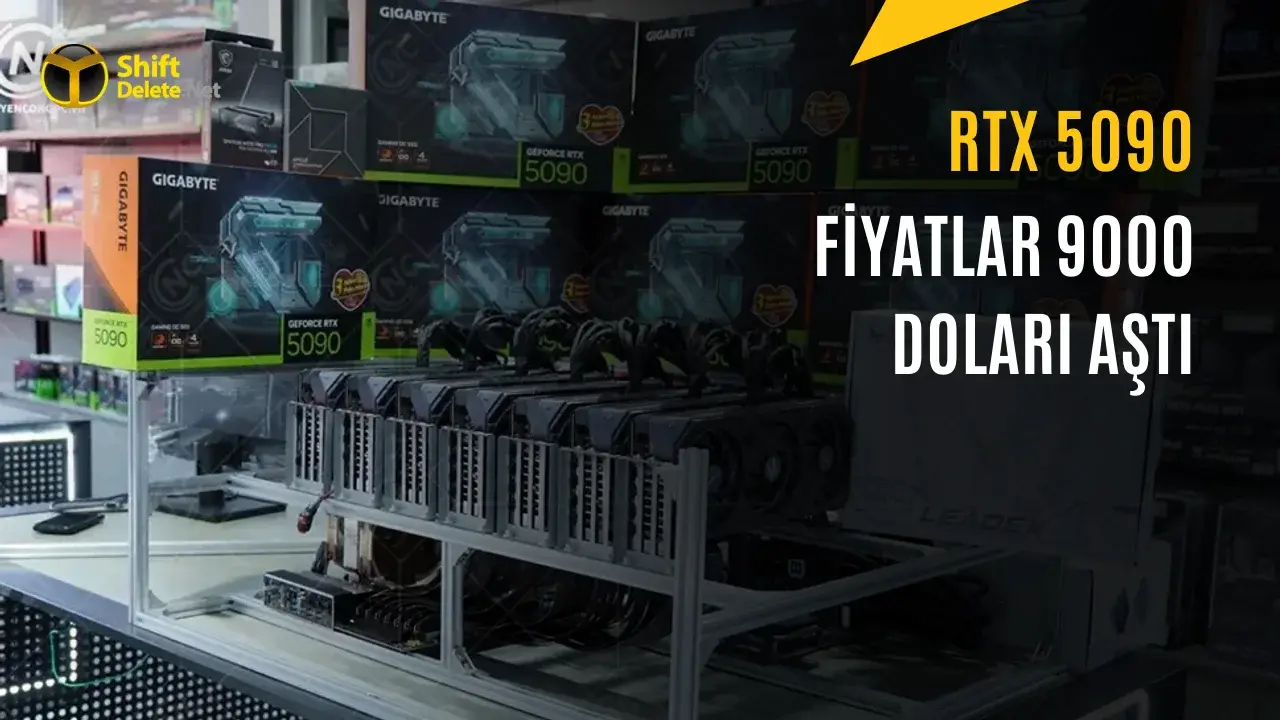
Nvidia’s flagship consumer graphics card, the RTX 5090, has experienced a staggering price surge in 2026, with market rates climbing from its initial $1,999 launch price to as high as $9,000. This dramatic inflation is primarily driven by artificial intelligence laboratories and data center operators aggressively acquiring consumer-grade hardware for computational tasks. Since its debut in January 2025, the RTX 5090 has become a critical asset for AI developers, leading to severe supply shortages and speculative market behavior that has left gamers struggling to find inventory at reasonable prices.
- The market price for the Nvidia RTX 5090 has inflated significantly, reaching between $6,000 and $9,000 due to intense demand from the AI sector.
- Reports suggest that large-scale AI operators are repurposing these consumer GPUs into makeshift server workstations to bypass the high costs of professional-grade hardware.
- Despite export regulations, modified versions of the card continue to enter restricted markets, where they are often upgraded with expanded memory capacities.
AI Demand Disrupts Hardware Supply Chains
The convergence of gaming performance and machine learning efficiency has positioned the RTX 5090 as a unique commodity. Powered by Nvidia’s Blackwell architecture and 32GB of GDDR7 memory, the card offers a level of computational power that rivals, and in some cases replaces, significantly more expensive professional solutions. As AI research facilities scale their operations, they have pivoted toward acquiring high-end consumer hardware to meet their requirements, effectively displacing individual consumers from the market.
The intensity of this demand has been highlighted by recent visual evidence, including images shared by HKEPC, which depicted massive quantities of boxed RTX 5090 units stored within industrial AI server facilities. While these photos fueled widespread speculation regarding the hoarding of hardware, industry experts have raised questions about their authenticity. Retail analysts have noted that some of these viral images may have been generated by AI tools, potentially artificially inflating the “fear of missing out” among tech enthusiasts and driving prices even higher.
Technical Restrictions Fail to Limit Usage
Nvidia has historically implemented various safeguards, such as LHR (Lite Hash Rate) limiters and specific software licensing restrictions, to prevent the use of consumer-grade GPUs in data center environments. Furthermore, the RTX 5090 D was specifically engineered to comply with international export controls, limiting its AI-focused processing capabilities for certain markets. Despite these regulatory hurdles, the sheer raw power of the standard RTX 5090 remains highly sought after.
Market observers have reported that third-party manufacturers are modifying these cards to include up to 96GB of VRAM, further enhancing their utility for large-scale AI training workloads. By repurposing these units, entities are gaining access to high-performance computing at a fraction of the cost associated with the Nvidia RTX PRO 6000, which can retail for upwards of $16,000. These modifications underscore the extreme measures being taken to circumvent supply chain bottlenecks and hardware restrictions.
Market Volatility Continues to Affect Consumers
The current landscape reflects a significant departure from traditional GPU market cycles, where availability was primarily dictated by gaming demand. With the attach rate of independent graphics cards in desktop PCs climbing to nearly 90%, the scarcity of the RTX 5090 highlights a deeper shift in how computing hardware is valued and utilized on a global scale. As long as the demand for AI processing power continues to outpace supply, the outlook for retail availability remains uncertain.
Given the current volatility in the GPU market and the rising costs for high-end hardware, we are interested in your perspective. Do you believe Nvidia should implement stricter measures to protect gamers from these supply shortages, or is the dominance of the AI industry an inevitable evolution for consumer technology? Share your thoughts in the comments section below.
Your comment has been submitted,
it will be published after approval.