
NVIDIA RTX Spark Processor Enhances PC Performance Through Customization

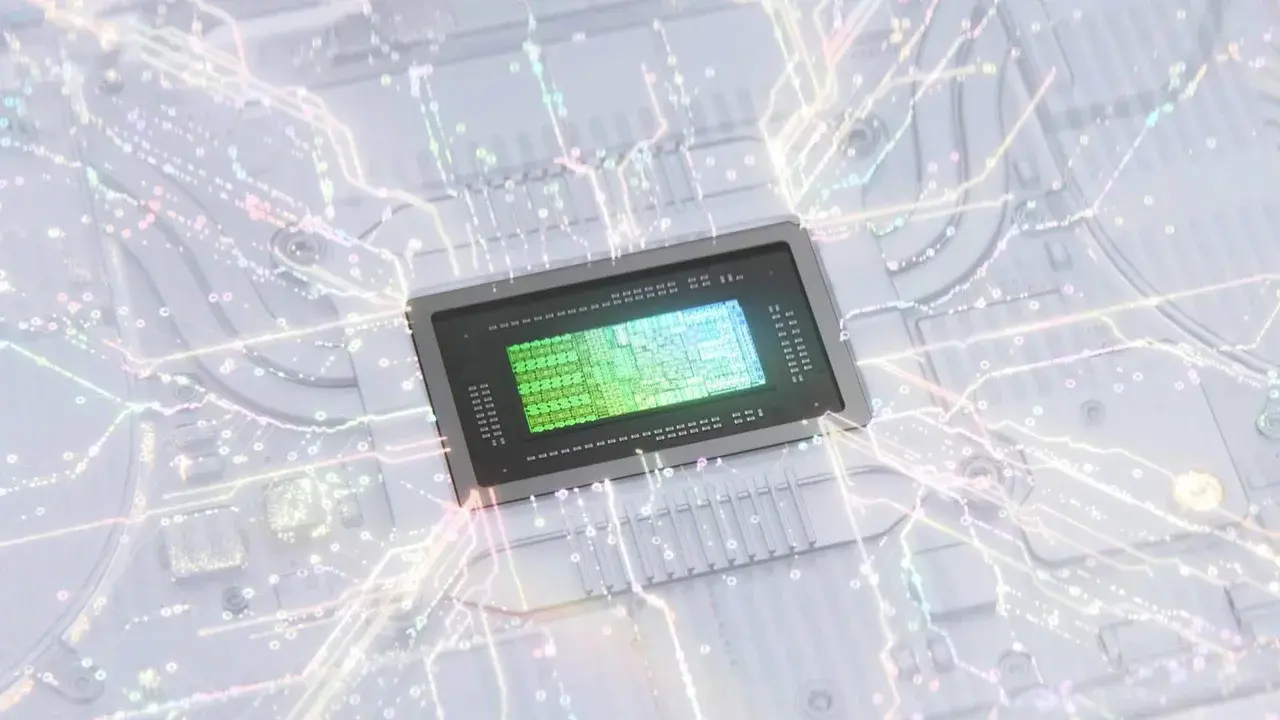
NVIDIA is making significant strides in the ARM-based processor market with its innovative RTX Spark chip, which is designed to elevate modern PC performance through advanced architectural refinements. Despite initial skepticism regarding the reliance on MediaTek’s Dimensity 9400 core architecture, recent technical analyses confirm that NVIDIA has implemented extensive customizations to the Cortex-X925 cores. By integrating specific features from both the Dimensity 9400 and 9500 chipsets, the RTX Spark achieves a balance between high-speed computational power and sustainable thermal management, positioning itself as a formidable competitor in the evolving landscape of high-performance computing.
- NVIDIA has heavily customized the Cortex-X925 cores to meet the rigorous demands of PC-grade workloads.
- The RTX Spark utilizes power rail designs from the Dimensity 9500 to ensure operational stability at high frequencies.
- Advanced power distribution and timing algorithms allow the chip to maintain performance without exceeding thermal limits.
- Future iterations of the RTX Spark are expected to emerge from the ongoing collaboration between NVIDIA and MediaTek by 2027.
The strategic integration of specialized silicon allows the RTX Spark to sustain heavy multi-core tasks that previously challenged ARM-based hardware.
Customized Core Architecture Drives Efficiency
Detailed die analysis conducted by Geekerwan reveals that the RTX Spark benefits from a unique internal structure. By adopting the power rail design typically associated with the Dimensity 9500, the chip maintains consistent performance levels even when pushed to its maximum frequency. This design choice is critical for systems like the Microsoft Surface Laptop Ultra, which operates at a 110W TDP and requires precise thermal management to prevent performance throttling during intensive operations.
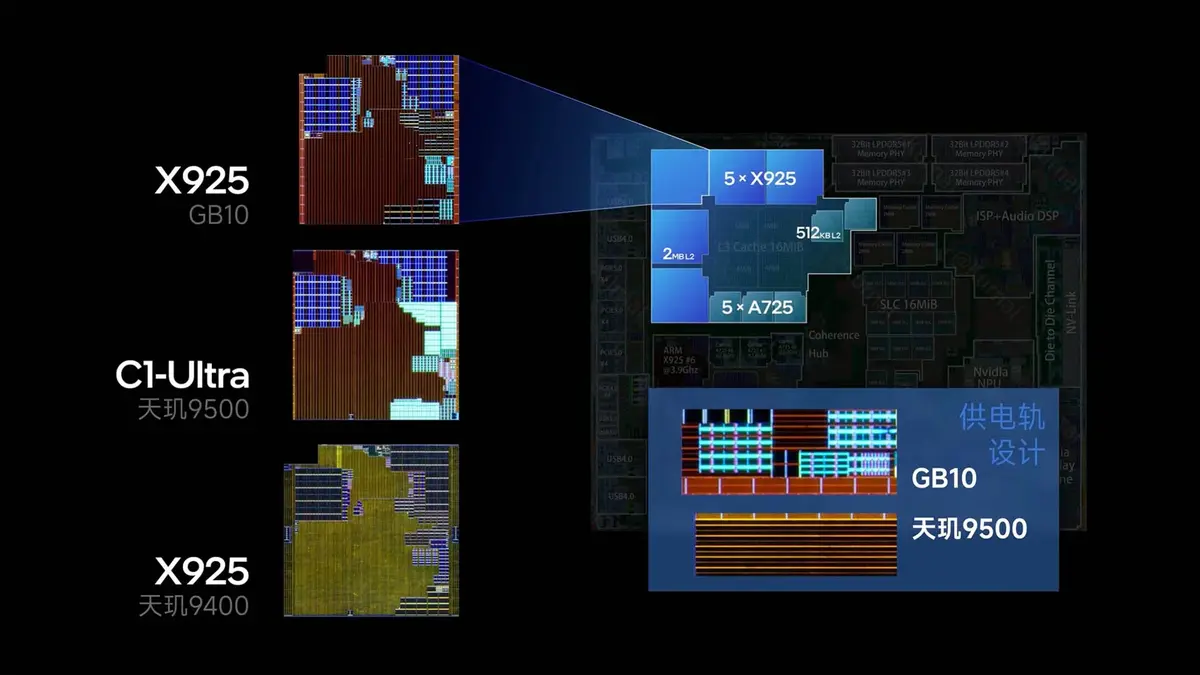
Furthermore, the physical footprint of these cores is smaller than those found in previous MediaTek silicon, allowing for better density and efficiency. The implementation of sophisticated timing algorithms ensures that power is distributed effectively across the processor, preventing the overheating issues often associated with high-frequency ARM chips. This engineering approach demonstrates a clear commitment to bridging the gap between mobile-derived architectures and the heavy-duty requirements of professional-grade laptops.
Collaboration Shapes Future Hardware Development
The partnership between NVIDIA and MediaTek serves as a blueprint for how specialized CPU designs can be optimized for specific environments. By leveraging shared resources and iterative design cycles, the two companies are setting the stage for more powerful, efficient, and capable processors in the coming years. Industry experts are already looking toward 2027, when more advanced versions of the RTX Spark architecture are expected to reach the consumer market.
Industry stakeholders are closely monitoring how independent benchmarks will validate the real-world capabilities of this custom silicon.
While the hardware shows significant promise, the ultimate potential of the RTX Spark depends on how laptop manufacturers decide to implement these cores. It remains to be seen whether OEMs will unlock higher clock speeds or prioritize battery life and thermal headroom in their specific chassis designs. As independent performance data continues to emerge, the industry will gain a clearer picture of how this ARM-based strategy will influence the competitive dynamics of the PC market.
We are eager to hear your perspective on this technological shift; do you believe NVIDIA’s new ARM-based processor strategy will successfully challenge the dominance of traditional x86 architectures in the PC market? Share your thoughts in the comments section below.
Your comment has been submitted,
it will be published after approval.