

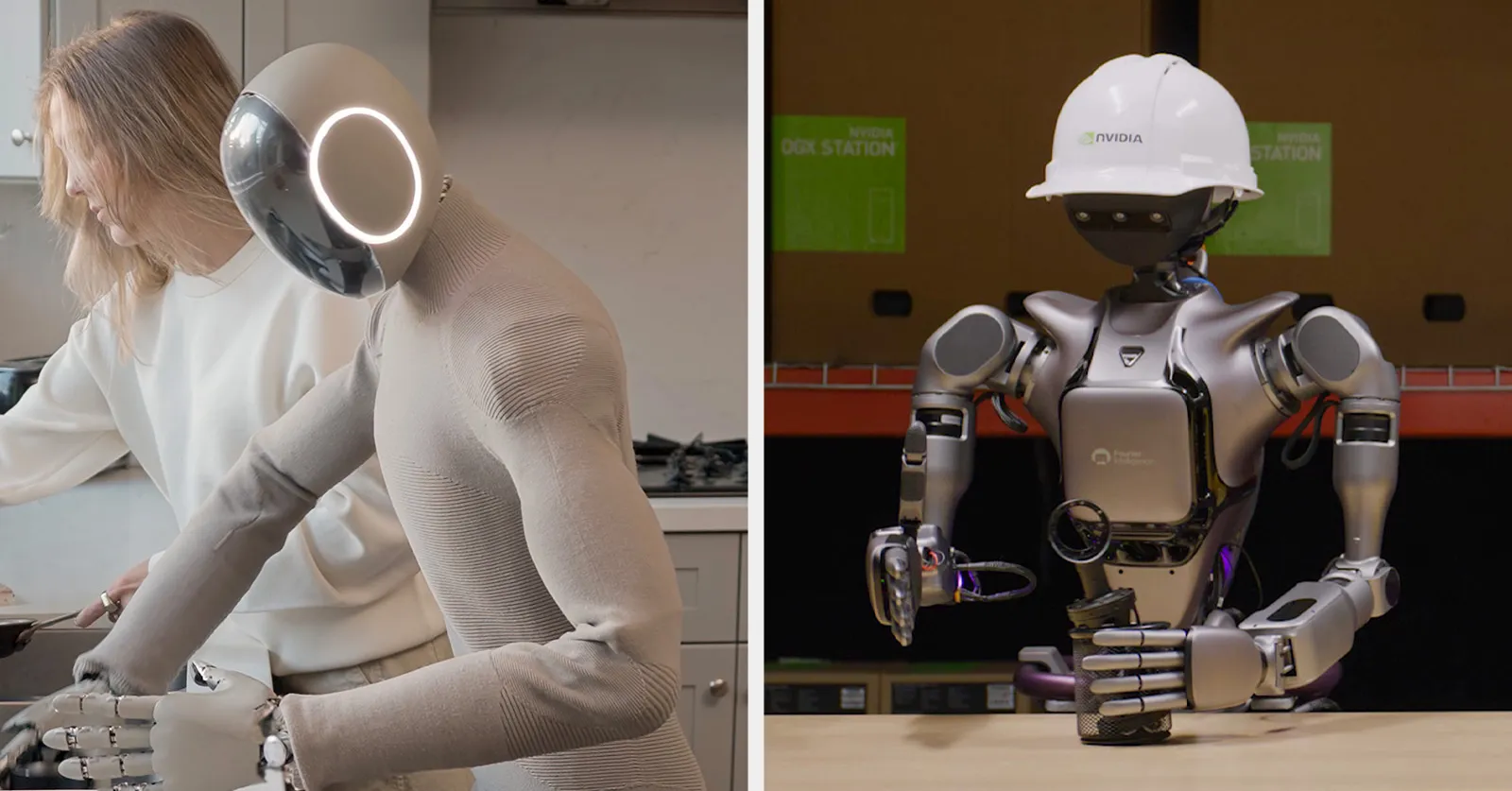
At CES 2026 in Las Vegas, Nvidia CEO Jensen Huang delivered a groundbreaking presentation, introducing a bold new vision for the future of labor. Huang described robots as “AI immigrants,” proposing them as the most effective solution to the growing global workforce shortage. As the leader of Nvidia, a company valued at approximately $3.5 trillion, he argued that the impending robotic revolution will create new job opportunities rather than simply eliminate existing ones, shaping the future of the AI robotic workforce.
The Rise of the AI Robotic Workforce
During his 90-minute session, Huang highlighted a critical issue: a worldwide shortage of tens of millions of workers due to demographic shifts and aging populations. He explained that this new AI robotic workforce is needed to take on tasks in manufacturing that humans no longer wish to perform. Consequently, this approach is seen as a strategic move to fill vacancies in sectors like manufacturing, healthcare, and technical crafts, which are heavily impacted by declining birth rates.
Contrary to common fears, Huang believes the widespread adoption of robots will stimulate economic growth, leading to the creation of more jobs for people. He noted the incredible pace of technological advancement, predicting that robots with human-level skills could become a part of our lives as early as next year. Furthermore, he mentioned that significant technical challenges, such as advanced mobility and fine motor skills, are now on the verge of being solved.
Nvidia’s Strategic Industry Collaborations
Nvidia didn’t just share its vision at CES; the company also unveiled new AI models and tools designed to accelerate robotic development. By partnering with industry giants like Boston Dynamics, Caterpillar, LG Electronics, and NEURA Robotics, Nvidia is positioning itself as the fundamental platform for this new technological era. The essential chips, software, and simulation systems required to train and deploy autonomous machines will be powered by Nvidia’s infrastructure.
This outlook is supported by data from the World Economic Forum’s 2025 jobs report, which forecasts that while some jobs may become obsolete by 2030, approximately 170 million new positions will emerge, resulting in a net employment increase of 78 million. However, critics remain concerned that despite Huang’s optimism, blue-collar workers in manufacturing and trade sectors face a significant risk of displacement.
Ultimately, Nvidia aims to revolutionize the massive $50 trillion manufacturing and logistics industry through its investments in physical AI infrastructure. As part of this ambitious plan, the company also announced a partnership to launch a pilot robotaxi service by 2027. These strategic moves demonstrate Nvidia’s intention to play a central role in the autonomous world of the future, extending its influence far beyond traditional chip manufacturing.
What are your thoughts on the rise of AI robots in the workplace? Share your opinions with us in the comments!