
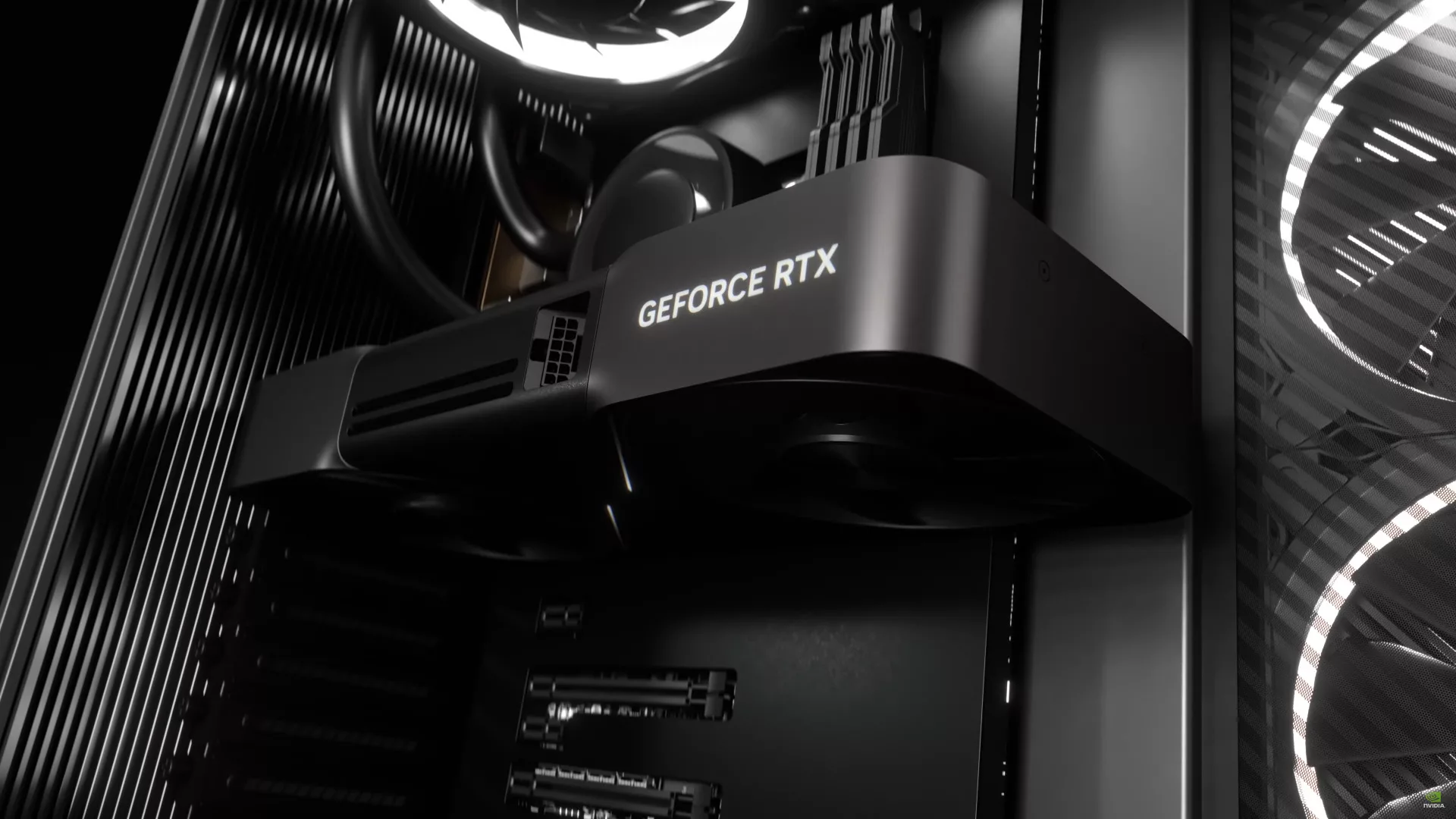
The tech world was shaken today by a striking example of how far YouTube’s automated copyright algorithms can go. Graphics giant NVIDIA had recently published the official trailer for its next-generation DLSS 5 technology—described by the company as the “GPT moment for graphics”—which was originally announced during GTC 2026 in March. However, this video was taken down by YouTube following a copyright claim from La7, an Italian television channel.
Italian TV Channel Claims NVIDIA’s Footage as Its Own
The background of the incident borders on the absurd. After the Italian media outlet La7 used the DLSS 5 announcement in its news bulletin, it registered the rights to those broadcast segments within YouTube’s Content ID system. YouTube’s AI-based moderation tools analyzed the situation and assumed La7 was the “original owner” of the footage. As a result, hundreds of content creators—and even NVIDIA itself—faced copyright strikes for using the trailer.
Why Is DLSS 5 Generating So Much Buzz?
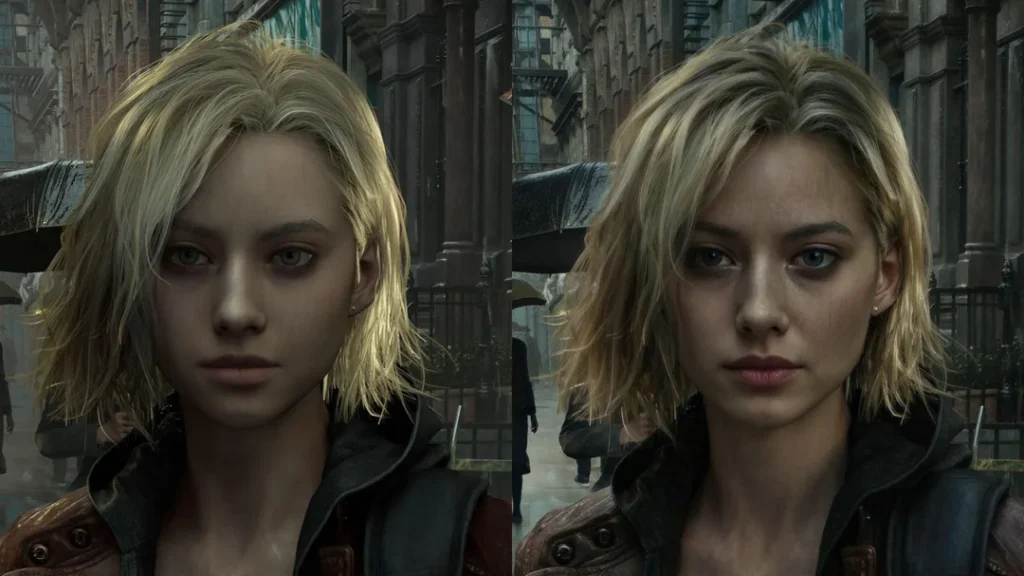
While NVIDIA is expected to defend its video and have it restored, the DLSS 5 technology remains a topic of heavy debate. Slated for release in the last quarter of 2026 (Autumn), the technology doesn’t just increase frame rates; it uses a method called “Neural Rendering” to recreate pixels with photorealistic lighting and materials. However, some fans criticized the character faces in the trailer for appearing artificial or distorted—a phenomenon labeled “AI slop”—prompting CEO Jensen Huang to personally address the feedback.
Key Highlights of the Copyright Crisis:
- Automatic Blocking: YouTube’s system blocked the official video, which had over 2.3 million views, without any human intervention.
- Widespread Impact: Beyond NVIDIA, numerous tech analysis channels and gaming news sites lost their videos due to the same strike.
- Systemic Criticism: The incident has reignited discussions regarding flaws in Google’s copyright enforcement and the inability of AI moderation to verify true ownership.
Current Status: Has the Error Been Fixed?
According to recent reports, the Italian channel La7 has withdrawn its erroneous claim, and videos are slowly becoming accessible again. However, this event proves that even a multi-billion dollar tech titan can fall victim to the automated bureaucracy of modern platforms. Before DLSS 5 ever hits major titles like Starfield or Hogwarts Legacy, it has already passed its first major test against the digital world’s legal hurdles.
This incident highlights a massive irony: an AI-driven graphics technology was taken down by an AI-driven copyright bot. Given your RTX 3070 setup, are you more excited about the potential “GPT moment” of DLSS 5, or does the “AI slop” criticism make you cautious about the future of neural rendering? Share your thoughts in the comments!
Would you like me to research the technical white papers for DLSS 5 Neural Rendering to see how it differs from DLSS 3.5’s Ray Reconstruction, or provide a guide on how to appeal automated YouTube strikes for your own content? Let me know!