
OnePlus Abandons OxygenOS in Favor of Oppo ColorOS

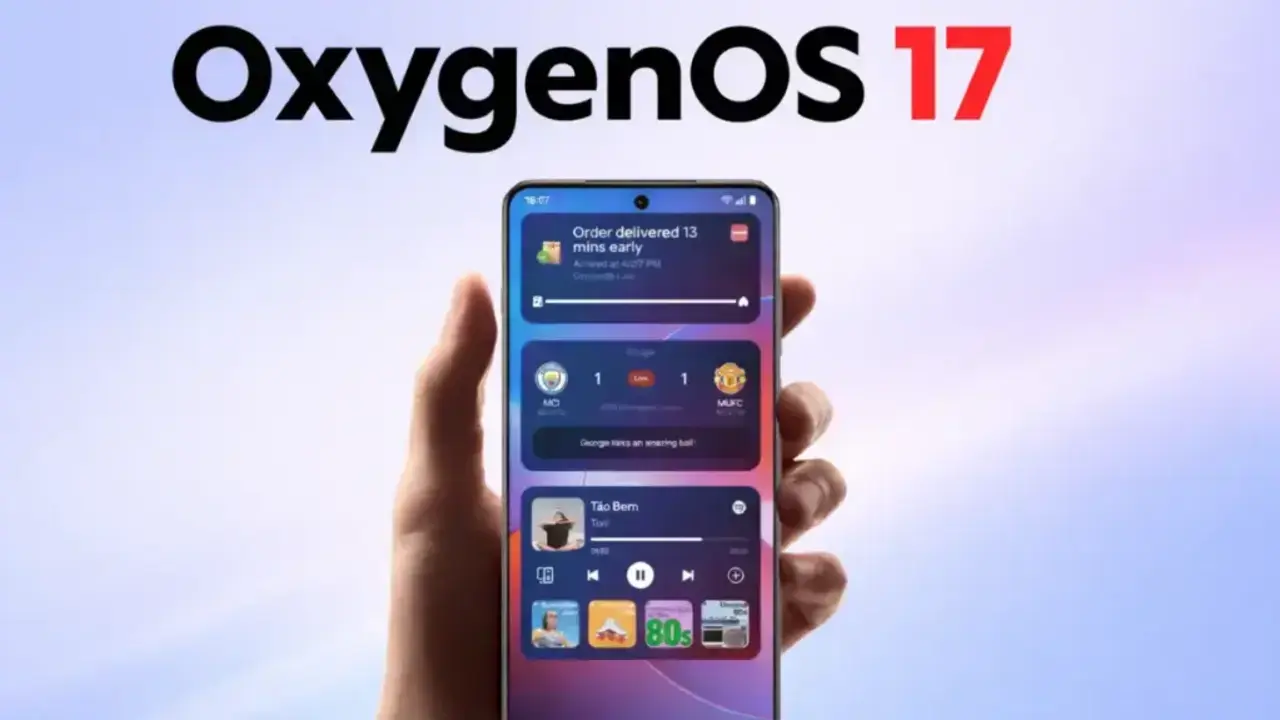
In a major shift for its global software strategy, OnePlus has officially announced that it will discontinue the development of its signature OxygenOS interface. Following the company’s decision to withdraw from specific European and North American markets, the transition marks a pivotal moment for the brand’s identity. Starting with the upcoming Android 17 update, all OnePlus devices will transition to Oppo’s ColorOS platform. This move aims to streamline software development cycles and optimize engineering resources, effectively signaling the end of the OxygenOS era that defined the OnePlus user experience for many years.
- OnePlus will replace OxygenOS with the ColorOS interface across all mobile devices starting with the Android 17 software update.
- The company aims to enhance software development efficiency and accelerate the distribution of security updates through this integration.
- Existing users will have the option to choose whether to adopt the new interface or retain their current system settings.
- Support for older legacy devices will continue through limited software maintenance and essential security patches.
Software Strategy Undergoes a Structural Transformation
The decision to sunset OxygenOS is the culmination of a multi-year convergence between OnePlus and its parent company, Oppo. While previous iterations of OxygenOS maintained a distinct look and feel, the underlying technical architecture has increasingly mirrored that of ColorOS. By consolidating these platforms, the manufacturer intends to eliminate redundant backend processes and focus on a unified codebase that serves a broader range of global users.
This strategic alignment represents a fundamental departure from the brand’s original software philosophy.
Users Gain Flexibility During the Transition Phase
OnePlus has emphasized that the migration to ColorOS will not be a forced imposition on its existing community. The Android 17 update will provide a clear choice, allowing users to opt into the new system at their convenience. Furthermore, the company has implemented a rollback mechanism, ensuring that users who find the new environment unsuitable can revert to their previous configuration. This tiered approach is designed to mitigate potential friction for long-term power users who have grown accustomed to the unique features of the legacy interface.
The company remains committed to providing extended security updates for legacy hardware models to ensure long-term stability.
Engineering Resources Are Being Optimized for Efficiency
From an operational standpoint, the shift to a single, unified software platform is intended to maximize research and development outcomes. By sharing engineering teams and infrastructure with Oppo, OnePlus expects to deliver more consistent system updates and faster bug fixes. This structural change is part of a broader redefinition of the brand’s global identity as it repositions itself within the competitive mobile landscape. Whether these technical improvements can satisfy the loyal fan base that prioritized the clean, minimalist aesthetic of the original software remains to be seen in the coming months.
How do you feel about the transition from OxygenOS to ColorOS, and what impact do you expect this change to have on your daily device experience? Please share your thoughts and expectations in the comments section below.
Your comment has been submitted,
it will be published after approval.