
OnePlus and Realme Transition to ColorOS Unified Software Strategy

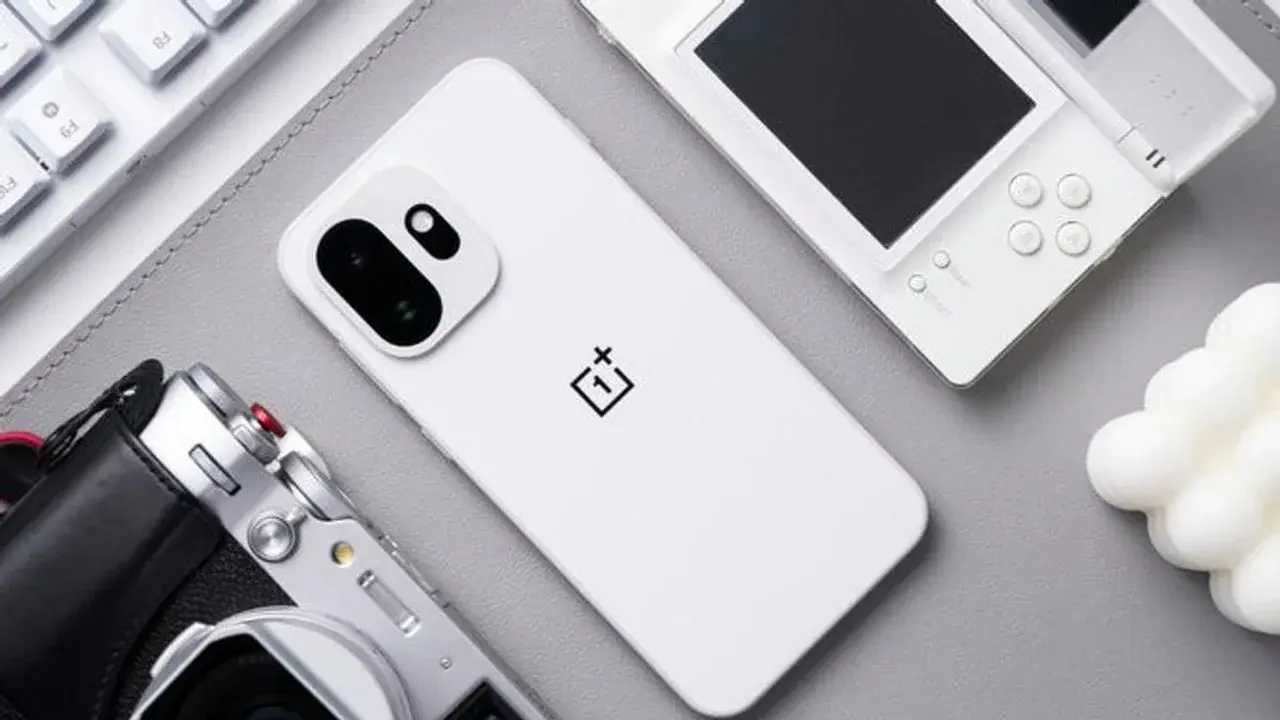
In a major strategic shift, smartphone manufacturers OnePlus and Realme are reportedly phasing out their signature software interfaces, OxygenOS and Realme UI, in favor of a unified ColorOS ecosystem. Under the direction of parent company Oppo, this transition aims to streamline engineering processes and optimize resource allocation across all future device releases. While the move promises improved operational efficiency and faster update cycles, it marks the end of an era for enthusiasts who favored the lightweight and distinct software identity of the original OnePlus experience. This consolidation reflects a broader trend of corporate integration within the Oppo hardware conglomerate.
- Oppo plans to replace individual OxygenOS and Realme UI interfaces with a singular ColorOS platform for all future smartphones.
- The company aims to reduce engineering costs and operational complexity by consolidating development efforts.
- OnePlus will refocus its primary market presence on India and China while Realme pivots toward international expansion.
- Sales and after-sales support networks for these brands are currently being merged into the unified Oppo service infrastructure.
Strategic Consolidation Addresses Operational Inefficiencies
The convergence of these software platforms has been an ongoing process rather than a sudden decision. Since 2021, OnePlus and Oppo have been aligning their codebases, with OxygenOS increasingly adopting the structural foundation of ColorOS. Similarly, Realme UI was built upon ColorOS architecture from its inception, though it maintained a unique aesthetic veneer. Industry reports now indicate that the companies are abandoning these separate brand identities to eliminate the redundant labor of maintaining three distinct Android skins.
Managing separate engineering pipelines for three interfaces has become a significant drain on company time and capital.
By standardizing on a single platform, Oppo intends to concentrate its software development talent on perfecting the ColorOS experience. While Realme users may notice minimal changes due to the existing structural similarities, the transition is expected to be more significant for the OnePlus community. OnePlus built its reputation on a clean, bloatware-free software environment, making this shift to a more feature-heavy ColorOS a point of contention among long-term power users.
Market Presence and Service Networks Undergo Reorganization
The transformation extends far beyond the software layer. Recent reports suggest that the brands are restructuring their global footprints to better leverage the parent company’s resources. OnePlus is reportedly narrowing its focus to the competitive markets of India and China, whereas Realme is scaling back its domestic Chinese operations to prioritize growth in international territories.
The integration of hardware supply chains and customer support centers signifies a complete return to the Oppo corporate umbrella.
In key regions, the consolidation is already becoming visible in the physical retail and service sectors. Independent OnePlus service centers are being phased out in favor of unified Oppo support hubs, centralizing the customer experience under one brand identity. This alignment confirms that the companies are operating as highly integrated components of the broader Oppo portfolio rather than autonomous entities.
Future Hardware Releases Will Feature ColorOS Integration
Current device owners should not expect immediate changes, as existing update schedules remain in effect for the time being. However, all upcoming hardware models are expected to debut with ColorOS pre-installed as the standard operating system. While official confirmation is still pending from the manufacturers, the industry shift toward a single, cohesive software identity appears inevitable. This transition signifies the final step in merging the distinct brand identities into a singular, more manageable ecosystem.
How do you feel about the transition to a unified ColorOS across all Oppo-affiliated devices, and will this change influence your next smartphone purchase? Share your thoughts in the comments below.
Your comment has been submitted,
it will be published after approval.