
OnePlus Exits US and European Smartphone Markets Amid Downturn


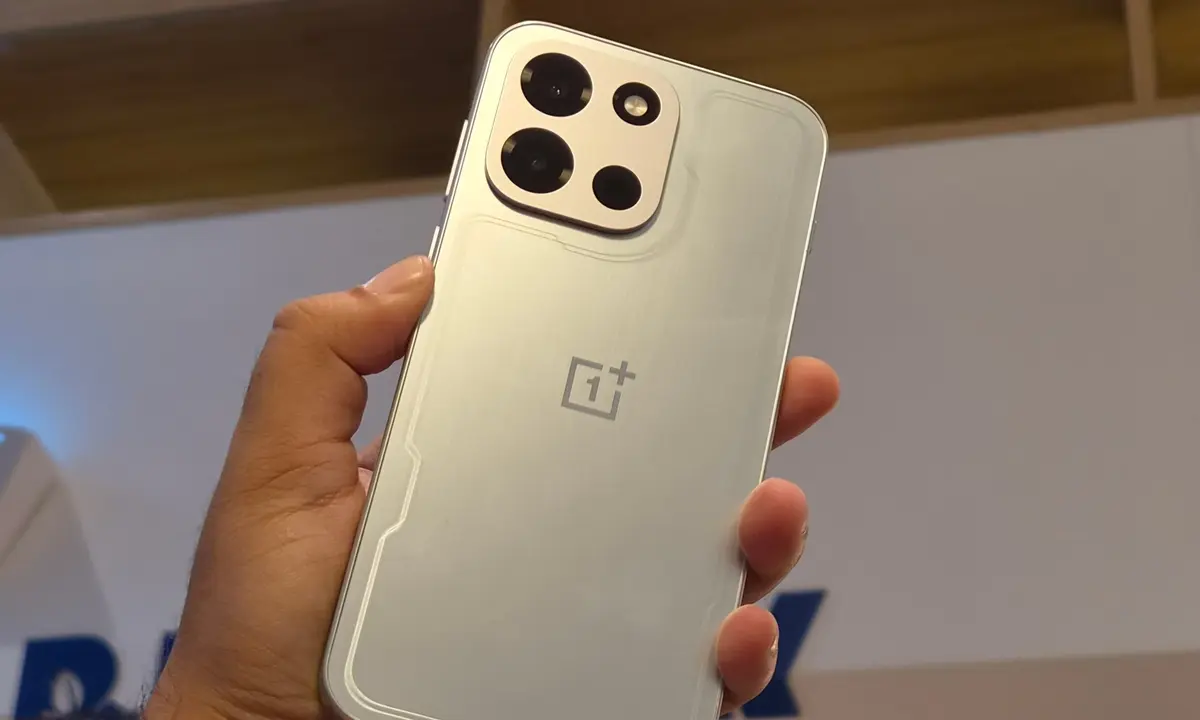
Smartphone manufacturer OnePlus officially announced this week that it is exiting the US and European markets as part of a significant strategic pivot. The decision, driven by rising costs in consumer electronics and a sharp decline in global demand for new mobile devices, marks a major shift for the brand. As a subsidiary operating under the Oppo umbrella and the broader BBK Electronics ecosystem, the company is undergoing a comprehensive corporate restructuring. Beyond the US and Europe, the firm will also scale back its operations in India, its largest market outside of China, as it attempts to navigate the current industry-wide economic instability.
- OnePlus is officially withdrawing its operations from the United States and European smartphone markets.
- The company will reduce its commercial presence in India as part of a broader corporate restructuring.
- Market analysts forecast a significant decline in global smartphone shipments due to persistent supply chain constraints.
- Future operations will prioritize the Chinese domestic market while shifting international focus toward the Realme brand.
Restructuring Efforts Define Future Operations
Founded in 2013 by Pete Lau and Carl Pei, OnePlus initially carved out a niche by offering high-performance Android devices at competitive price points. Over the last decade, the brand successfully captured a global audience of tech enthusiasts. However, the departure of co-founder Carl Pei in 2020 to launch the Nothing brand signaled a period of transition for the company. While the brand attempted to balance its flagship offerings with the more budget-friendly Nord series, the macroeconomic environment has become increasingly hostile toward such expansion strategies.
Rising component costs and cooling consumer demand have rendered the company’s current international business model unsustainable.
Industry experts at firms like IDC and Counterpoint have noted that the sector is currently grappling with critical shortages in memory chip supplies. These logistical hurdles are expected to contribute to a decline in global smartphone shipments exceeding 13 percent. For a brand that relies heavily on slim margins and high volume, these supply chain disruptions create a challenging barrier to maintaining profitability in highly competitive western markets.
Sectored Stagnation Forces Strategic Adjustments
Recent reports from Counterpoint indicate that parent company Oppo faced double-digit year-over-year shipment declines by the second quarter of 2026. This data underscores a broader trend of stagnation affecting the entire industry, with many manufacturers struggling to maintain growth in saturated markets. The current economic climate has forced a fundamental rethink of where these companies allocate their limited resources.

Moving forward, OnePlus plans to consolidate its primary operations within the Chinese domestic market, where it maintains stronger supply chain integration and consumer loyalty. In international territories, the company will pivot its strategy, focusing instead on promoting Realme-branded hardware, particularly in regions like Scandinavia where brand recognition remains resilient. This transition signifies the end of an era for the flagship-focused manufacturer as it attempts to stabilize its financial performance under the weight of global market volatility.
The shift represents a definitive move to prioritize regional stability over global market share expansion.
Given the rapid changes in the mobile industry and the withdrawal of major players from key regions, we are curious about your perspective. How do you think this market consolidation will impact the availability and pricing of your next smartphone purchase? Share your thoughts in the comments below.
Your comment has been submitted,
it will be published after approval.