
OpenAI Faces Wiretapping Scandal as FBI Detains Employee

OpenAI, a leading force in the artificial intelligence sector, is currently grappling with a significant security breach at its San Francisco headquarters. On September 30, the company discovered a covert wiretapping device planted in a private executive conference room, prompting an immediate investigation. The incident, which threatened the confidentiality of high-level strategic meetings, led to the arrest of 35-year-old engineer Abdulrahman Alfozan, a Saudi national who had been employed by the firm since July 2025. Federal authorities, including the FBI, are now actively involved in the case to determine the full extent of the espionage attempt against the AI giant.
- An OpenAI engineer was arrested for planting a recording device in an executive conference room.
- The suspect faces up to five years in prison and a substantial fine if convicted of the charges.
- Internal investigations confirmed that no sensitive source code, customer data, or model weights were compromised.
- Additional surveillance equipment was recovered by security staff inside the suspect’s abandoned bag.
The Discovery Process Unfolds
Technical analysis conducted by the company suggests that the surveillance device was installed around September 28. The apparatus was discreetly attached to the USB port of a television located inside the meeting room, with the suspect camouflaging the hardware using simple toilet paper. This specific room was frequently used for high-stakes discussions regarding product roadmaps, government relations, and proprietary research projects, making it a prime target for corporate espionage. 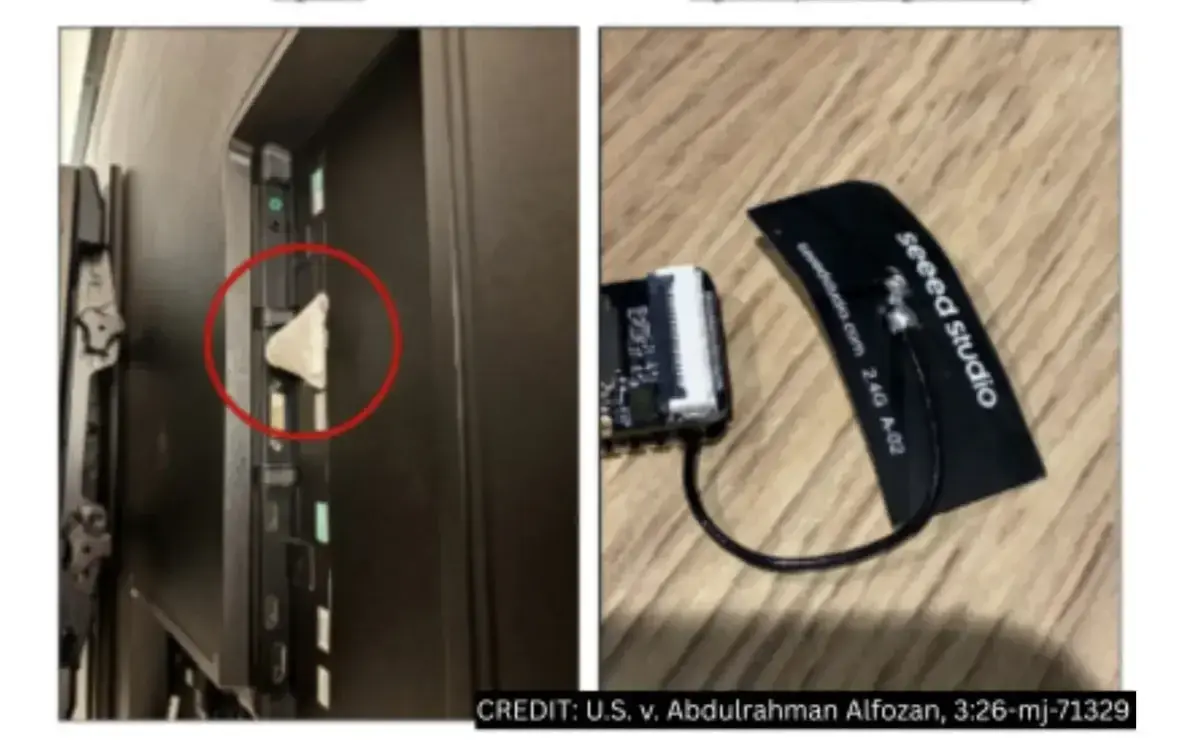
OpenAI utilized its own sophisticated artificial intelligence models to analyze the signature and origin of the recording equipment. This internal technological capability was instrumental in identifying the culprit quickly. While the breach was severe, the company has publicly reassured stakeholders that their rigorous security protocols successfully protected the integrity of their core assets. There is currently no evidence suggesting that sensitive data, including model weights or private client information, was exfiltrated during the period the device was active.
The Investigation Reveals Further Evidence
Although the suspect, Abdulrahman Alfozan, lacked official authorization to enter the executive suite, surveillance footage captured him near the location multiple times. Following his termination, he was taken into custody by the FBI and appeared in court this past Tuesday. If found guilty, Alfozan faces severe legal consequences, including a potential five-year prison sentence and a fine reaching 250,000 dollars. 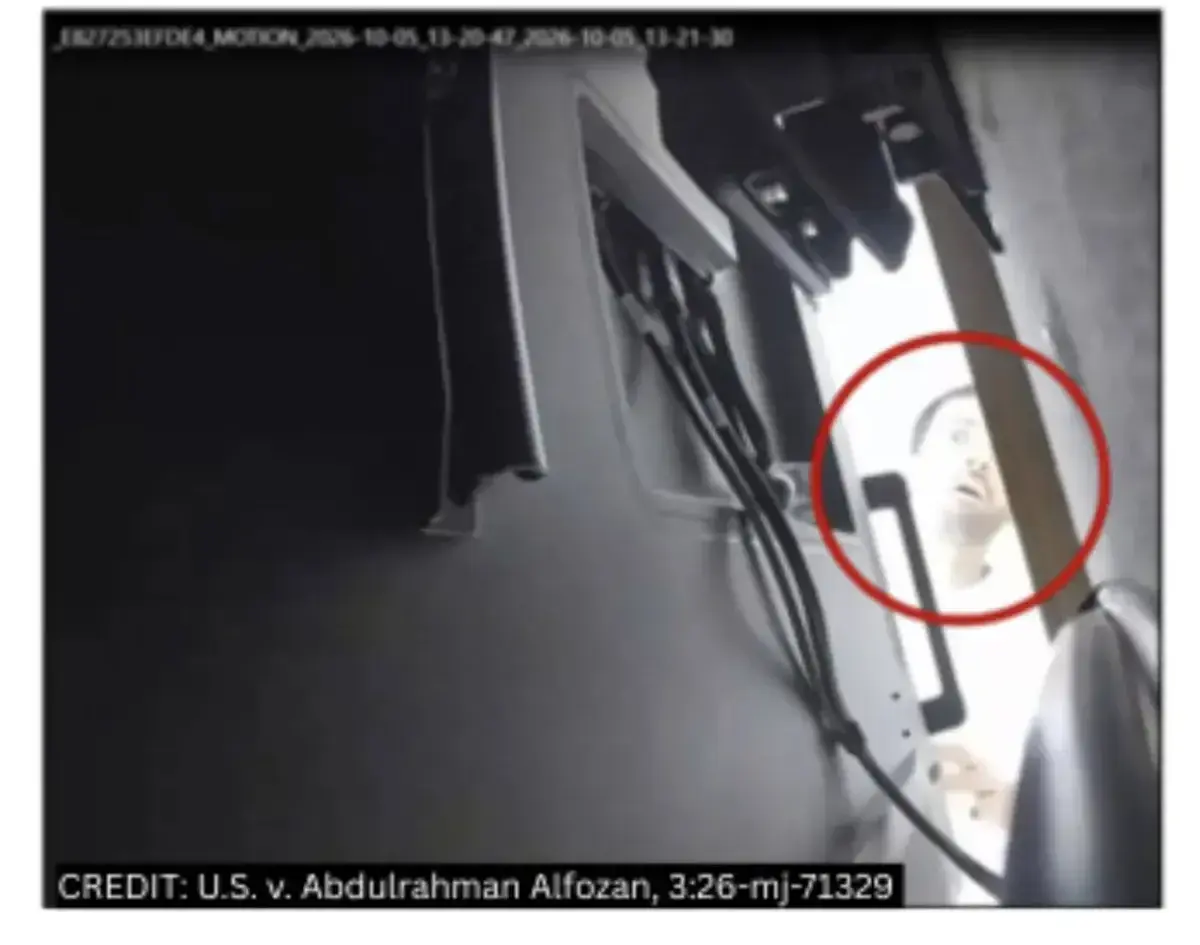
The investigation intensified on October 5 when security personnel discovered a bag left behind by the former employee. The bag contained his personal identification, wallet, and a second, previously undetected recording device. Furthermore, digital forensics revealed suspicious search queries on a chatbot account allegedly linked to the suspect’s spouse. These queries included instructions on how to build a continuous audio recorder and techniques for encrypting SD cards, suggesting a premeditated attempt to capture confidential information.
Federal authorities and the company’s internal security team are continuing their collaborative efforts to uncover the ultimate motivation behind this security failure. While the technical aspects of the breach have been contained, the incident serves as a stark reminder of the physical and digital threats facing prominent technology firms. The company remains committed to transparency as legal proceedings move forward.
The implications of such a breach within the heart of the AI industry are profound, raising questions about internal security protocols. We invite you to share your thoughts in the comments section below regarding how technology companies should balance open collaborative environments with the necessity of extreme physical security.
Your comment has been submitted,
it will be published after approval.