
OpenAI Spy Accused of Working for Saudi Arabia Arrested


A former OpenAI engineer named Abdulrahman Alfozan has been taken into custody by US authorities following allegations that he planted secret recording devices within the company’s offices to capture sensitive strategic information. The investigation, which highlights a significant security breach at the leading artificial intelligence firm, suggests that Alfozan may have been acting on behalf of Saudi Arabia to advance the kingdom’s national AI objectives. A US magistrate judge has ordered that the defendant be held without bail, citing a substantial risk of flight and potential threats to national security as he faces serious espionage-related charges.
- The FBI discovered evidence on the suspect’s device, including photographs of illicit recording equipment and sensitive government-related documents.
- Investigations revealed that the accused maintained direct communication with a member of the Saudi royal family regarding artificial intelligence initiatives.
- The court denied bail for the former engineer, emphasizing that he possesses both the motive and the financial resources to flee the country.
- OpenAI discovered the surveillance equipment inside a secure meeting room just weeks before a high-level government briefing was scheduled to take place.
FBI Investigators Found Damning Evidence
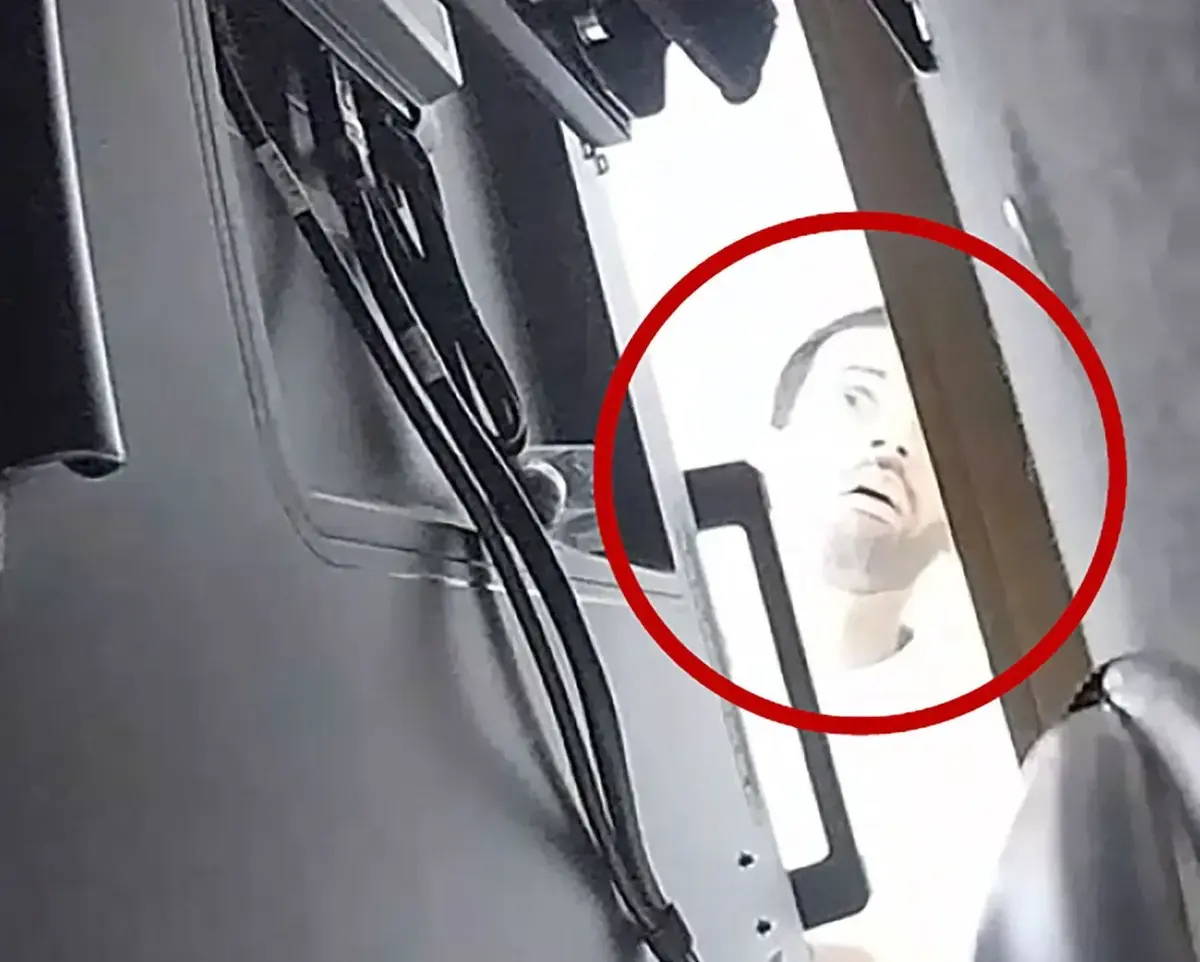 During a thorough forensic examination, FBI agents recovered a folder labeled “Saudi Gov Docs” on the suspect’s iPhone. This digital repository contained photographic proof of the hidden recording devices deployed throughout the OpenAI premises. Investigators believe Alfozan utilized specially modified hardware programmed to activate automatically when speech was detected. Furthermore, digital trails indicate that he bypassed corporate security protocols by leveraging his spouse’s ChatGPT account to gain unauthorized access to sensitive meeting locations.
 The breadth of the espionage operation became clearer as investigators analyzed his WhatsApp communications. These messages reportedly detail conversations with a high-ranking Saudi official, focusing heavily on the kingdom’s strategic roadmap for artificial intelligence. By exploiting his position, Alfozan allegedly sought to compromise the proprietary intellectual property that keeps OpenAI at the forefront of the global tech industry.
Authorities Fear the Suspect Plans to Flee
 Prosecutors have presented compelling evidence that Alfozan was preparing for a permanent departure from the United States with the assistance of foreign government support. Records indicate that one-way airline tickets for the defendant’s family were purchased by the Saudi government, and while his spouse and child have already departed via Qatar, Alfozan was intercepted before he could follow. Given his annual salary of $325,000 and his substantial $2.2 million stock grant, the court concluded that he has sufficient means to evade justice.
The legal proceedings echo previous high-profile espionage cases involving major tech companies, setting a precedent for how the US judiciary handles trade secret theft involving foreign entities. As the investigation progresses, federal prosecutors hinted that additional, more severe charges could be filed as more forensic data is analyzed. For now, the focus remains on assessing the total extent of the data breach and preventing further unauthorized information transfers to foreign powers.
The implications of this breach raise serious questions about corporate espionage and the security of artificial intelligence research. We invite you to share your perspective on how tech companies should fortify their internal security measures in the comments section below.
Your comment has been submitted,
it will be published after approval.