
An unusual and ambitious experiment has been conducted in the world of overclocking. A hardware modder named “Trashbench” used a camping freezer to overclock NVIDIA’s RTX 5050 graphics card to nearly 3.5 GHz. This experiment resulted in a 23% increase in the card’s clock speed and broke a number of world records. This method pushed the GB207 chip, the smallest GPU in the Blackwell architecture, beyond its limits.
NVIDIA RTX 5050 overclock record: GB207 chip reaches 3468 MHz
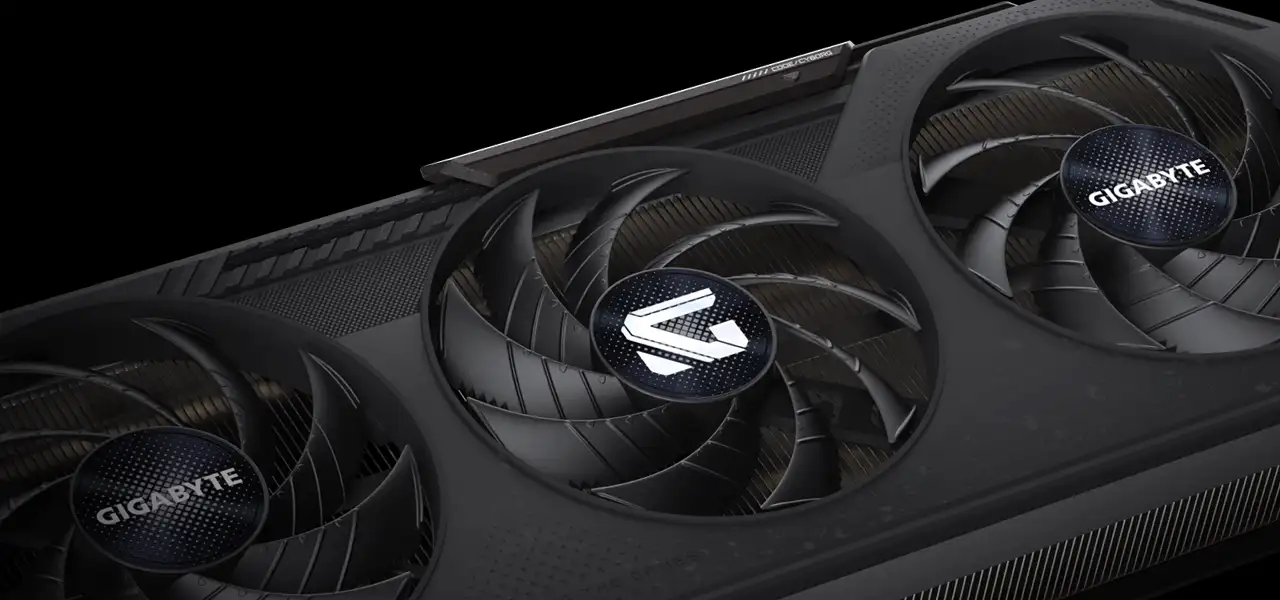
This test was part of a competition Trashbench entered into with another overclocker on YouTube, “Clock Bench.” The two competed to see who could push the GeForce RTX 5050 the hardest. Determined to win, Trashbench implemented a physical modification called a “shunt mode” to remove the power limits on the Gigabyte RTX 5050 model it was using.
Thanks to the modification and exceptional cooling, the card achieved a stable clock speed of 3468 MHz. This value is 23% higher than the card’s stock clock speed of 2820 MHz. This result propelled the small GB207 GPU to the top of the 3DMark performance benchmark charts, making it arguably the fastest GB207 on the planet.
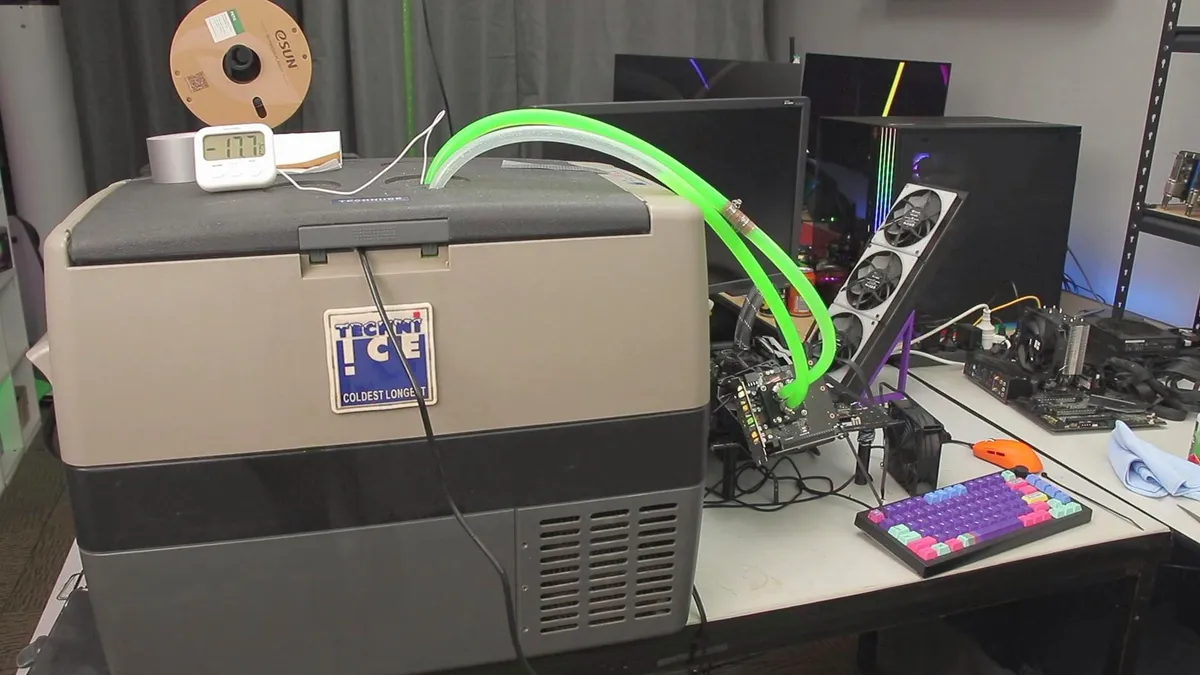
A Techni-Ice freezer and a 60/40 glycol mixture were used for cooling. During the tests, GPU temperatures were reported to range between -12°C and 15°C, depending on the applied load. While the card reportedly draws 78W of power, this figure was reportedly completely inaccurate due to the shunt mode. This modification prevents the card from accurately detecting its own power consumption, thus eliminating the power limit.
With the power limit removed and limited only by voltage and thermal limits, the card achieved an impressive 23% overclock. Considering that a 10% overclock is difficult to achieve on modern GPUs, even with shunt mode, this 23% increase stands out as a significant achievement. Trashbench also broke an overclocking record with the Intel Arc B580 about two weeks ago.
Pushing the limits of graphics cards to this extent demonstrates just how creative hardware enthusiasts can be. What are your thoughts on such extreme overclocking attempts?