
PC Modder Integrates AI Accelerator Into RTX 4080 Build

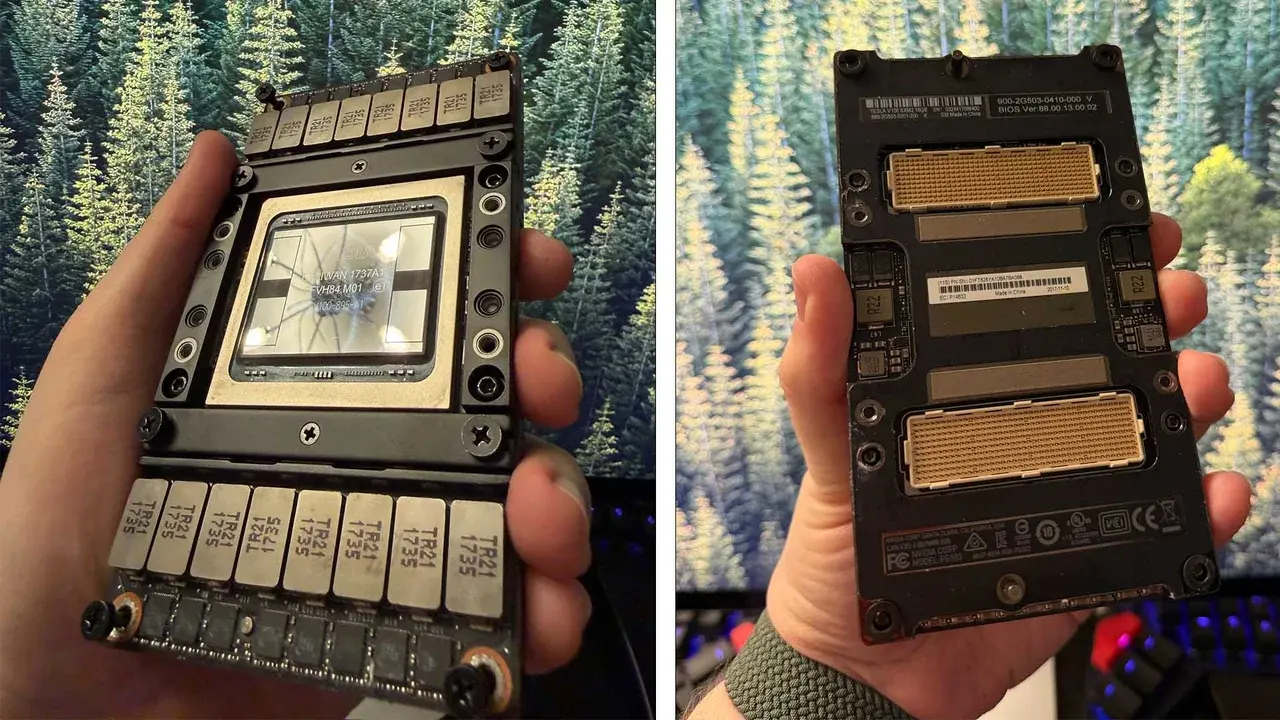
A determined PC enthusiast has successfully integrated an NVIDIA Tesla V100 AI accelerator into a gaming rig already powered by an RTX 4080 to significantly boost its large language model (LLM) performance. Seeking to overcome the VRAM limitations inherent in standard consumer-grade GPUs, the user performed an intricate hardware modification to bridge the gap between high-end gaming and professional-grade artificial intelligence processing. By utilizing custom adapters and cooling solutions, the modder managed to combine two distinct architectures into a single, high-performance workstation, effectively turning a standard desktop setup into a powerful local AI lab for under 300 dollars.
- The user successfully integrated a Tesla V100 card into a consumer desktop using an SXM2-PCIe adapter.
- The hardware modification provides a combined 32GB of VRAM capacity for complex AI modeling.
- Custom cooling adjustments reduced fan noise levels from 82dB to a manageable operational state.
- The setup enables local execution of large models like Qwen3.6 27B without requiring an internet connection.
SXM2 Adapters Facilitate Professional Hardware Integration
Connecting a data-center-focused Tesla V100 to a standard motherboard presented significant technical hurdles, primarily due to the card’s lack of display outputs and traditional PCIe power connectors. To resolve these issues, the builder invested approximately 266 dollars into an SXM2-PCIe adapter, which allowed the HBM2-based card to communicate with the system. 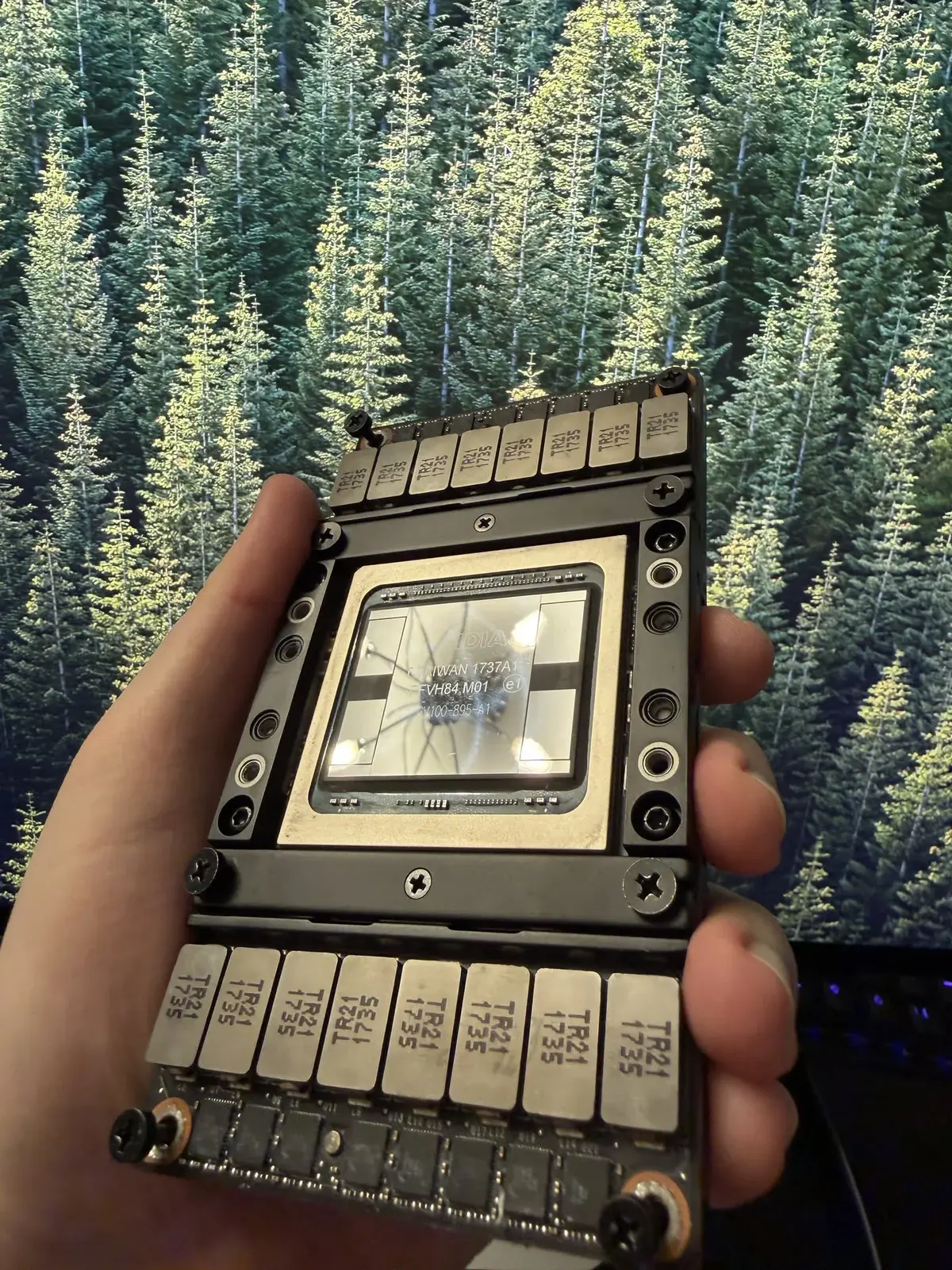
This integration successfully leverages the card’s 5,120 CUDA cores and massive 900GB/s memory bandwidth to accelerate complex computations.
Thermal Management Solutions Ensure Operational Stability
Managing the thermal output of a passive server card in a consumer chassis required clever engineering. The Tesla V100, which typically relies on high-velocity server fans, produced an overwhelming 82dB of noise during initial testing. 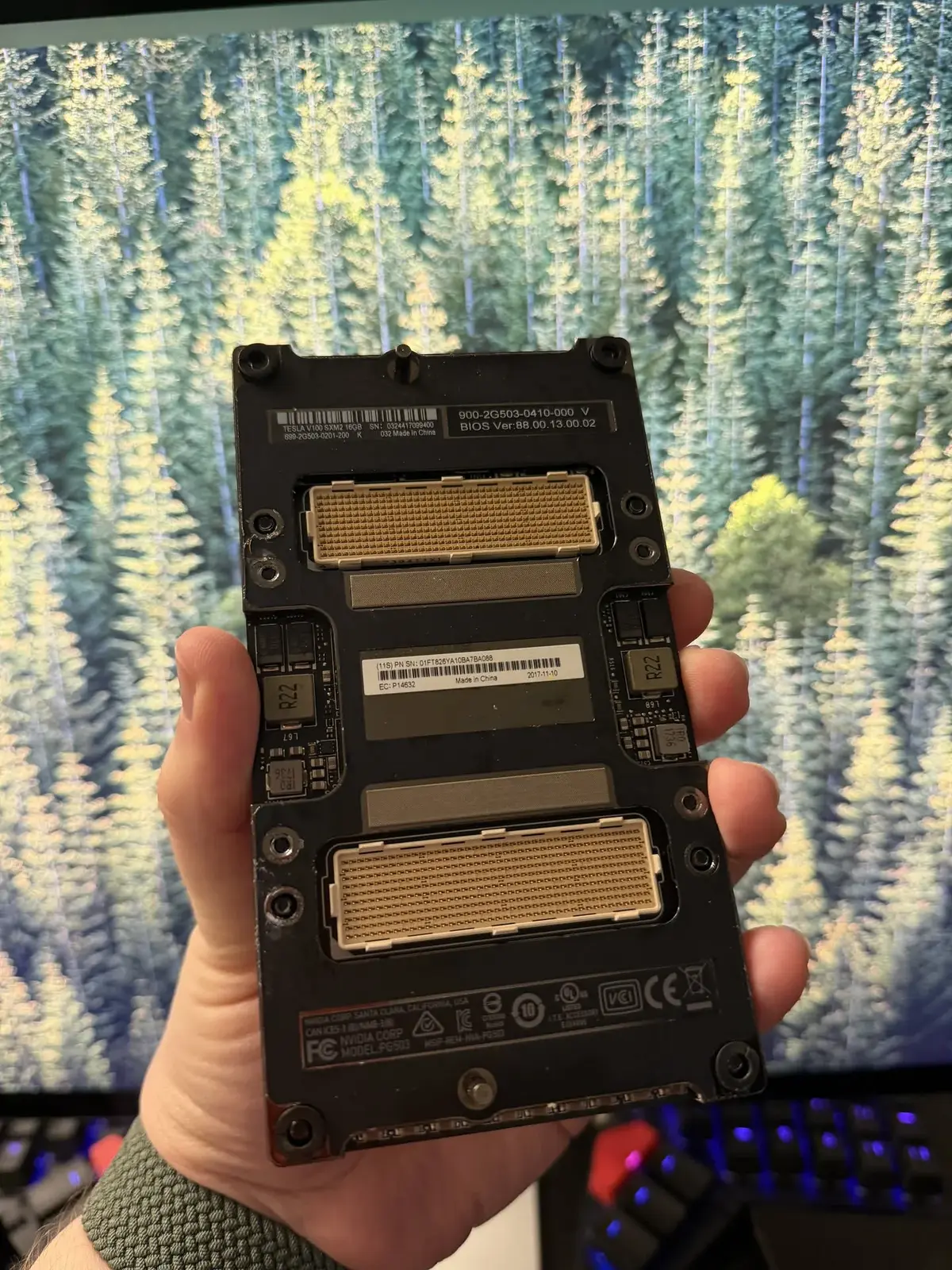 By employing a 9V battery and a PWM jumper, the builder limited the fan speed to 10% of its maximum capacity, successfully achieving a quieter, balanced cooling environment without compromising the system’s structural integrity or performance threshold.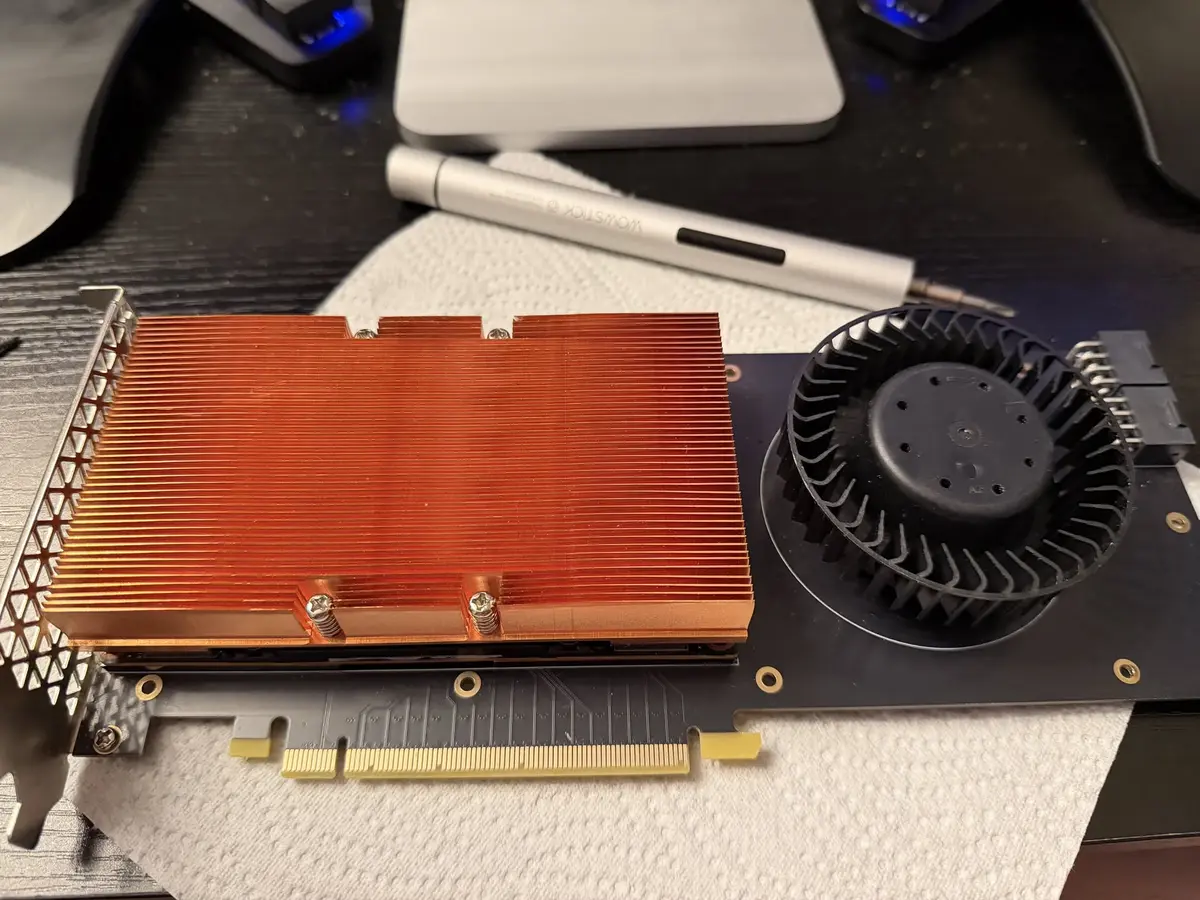
Local AI Performance Exceeds Expectations
The addition of the Tesla V100 expands the system’s total VRAM to 32GB, providing the necessary overhead to run substantial models such as Qwen3.6 27B. In testing, the configuration processes the model at a rate of 32 tokens per second with a 128K context window. 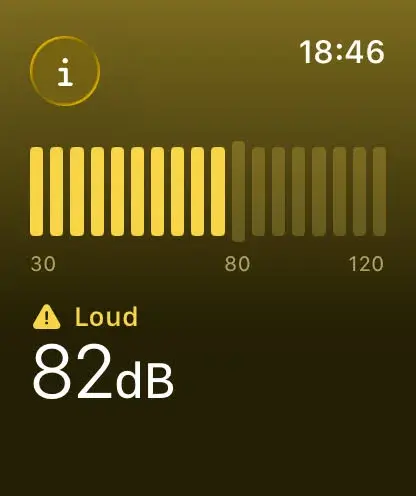 This capability allows the user to operate sophisticated AI tools locally, bypassing the latency and privacy concerns associated with cloud-based services. Processing speeds remain consistent, ranging between 133 and 160 tokens per second depending on the specific task load.
This low-cost modification proves that repurposing legacy server hardware remains a viable path for enthusiasts aiming to expand their local compute capabilities.
We are curious to hear your thoughts on this unconventional hardware project; would you consider repurposing legacy server-grade GPUs to enhance your home computing setup, or do you prefer sticking to standard consumer components?
Your comment has been submitted,
it will be published after approval.