
Pentagon Orders Defense Firms to Accelerate Missile Production


The U.S. Department of Defense has issued a strict directive to major defense contractors, granting them a 21-day deadline to formulate concrete plans to ramp up missile production capacity. Deputy Secretary of Defense Steve Feinberg communicated this mandate on August 5, emphasizing that current manufacturing speeds are insufficient to meet the security challenges facing the United States. Pentagon officials are demanding detailed roadmaps that include proposed facility expansions, investment requirements, and identification of necessary government support to resolve the supply chain bottlenecks currently hindering the rapid delivery of critical weapon systems. 
- The Pentagon has set a 21-day window for defense contractors to submit comprehensive production expansion plans.
- Current delivery timelines for systems like Patriot and THAAD reach up to 53 months, which poses a strategic risk.
- The Department of Defense aims to transition the industrial base from a peacetime model to a high-tempo production cycle.
- A massive 22.9 billion dollar contract for Tomahawk missiles reflects the shift toward mass-scale defense manufacturing.
Pentagon Seeks to Reduce Lengthy Production Timelines
At the heart of the Pentagon’s initiative is the concern regarding the protracted schedules currently required to manufacture high-tech munitions. While the United States excels at developing sophisticated weaponry, it has struggled to maintain the production pace required during high-intensity conflict scenarios.
Existing supply chains are failing to meet the demands of modern warfare.
By demanding these rapid-response plans, the government is pushing companies to optimize existing factory floors and invest in new production lines. The shift signifies a realization that having advanced technology is insufficient if the inventory cannot be replenished at a rate that sustains combat operations. 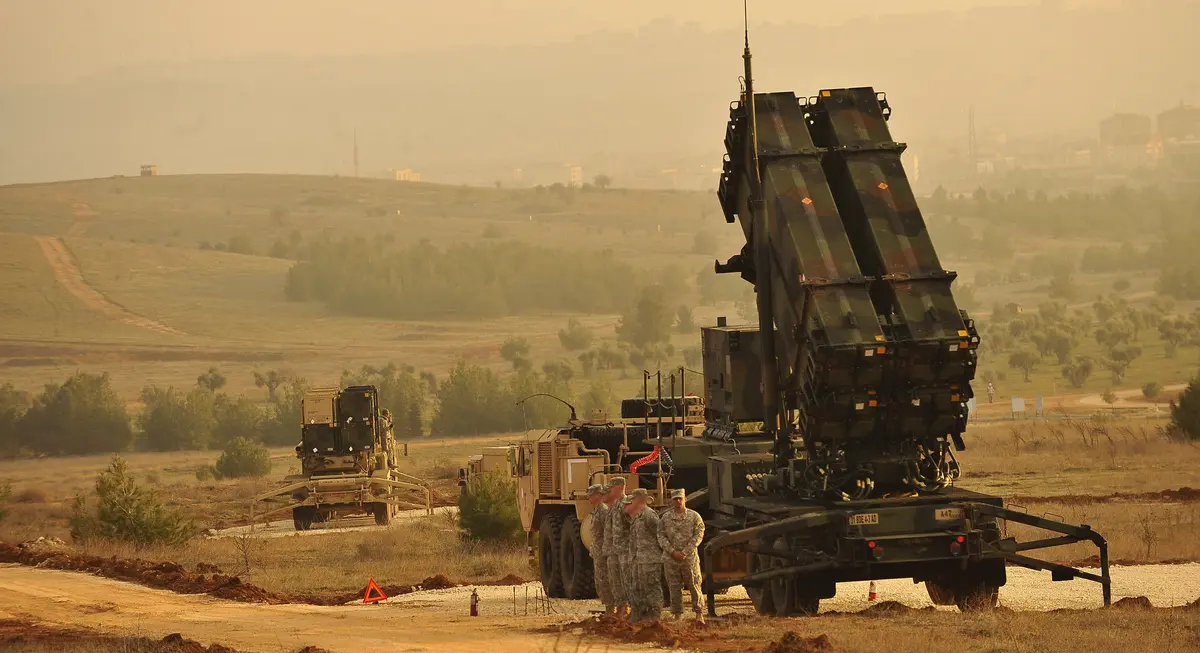
Patriot and THAAD Inventory Levels Remain Critical
The urgency behind this move is largely driven by the scarcity of interceptors for critical air and missile defense systems. Data from the Center for Strategic and International Studies indicates that Patriot PAC-3 MSE interceptors currently require 42 months for delivery, while THAAD interceptors face a wait time of approximately 53 months.
These long lead times mean that replenishing stocks used in regional conflicts, such as those in Ukraine or the Middle East, could take years rather than months. Consequently, the Department of Defense is prioritizing the modernization of these supply chains to ensure national security is not compromised by manufacturing delays.
Defense Contractors Must Provide Scalable Roadmaps
The 21-day mandate is not merely a request for reports; it is a demand for a fundamental re-scaling of production capacity. Companies must now identify specific bottlenecks, outline necessary capital investments, and define the exact role of government assistance in achieving higher throughput. 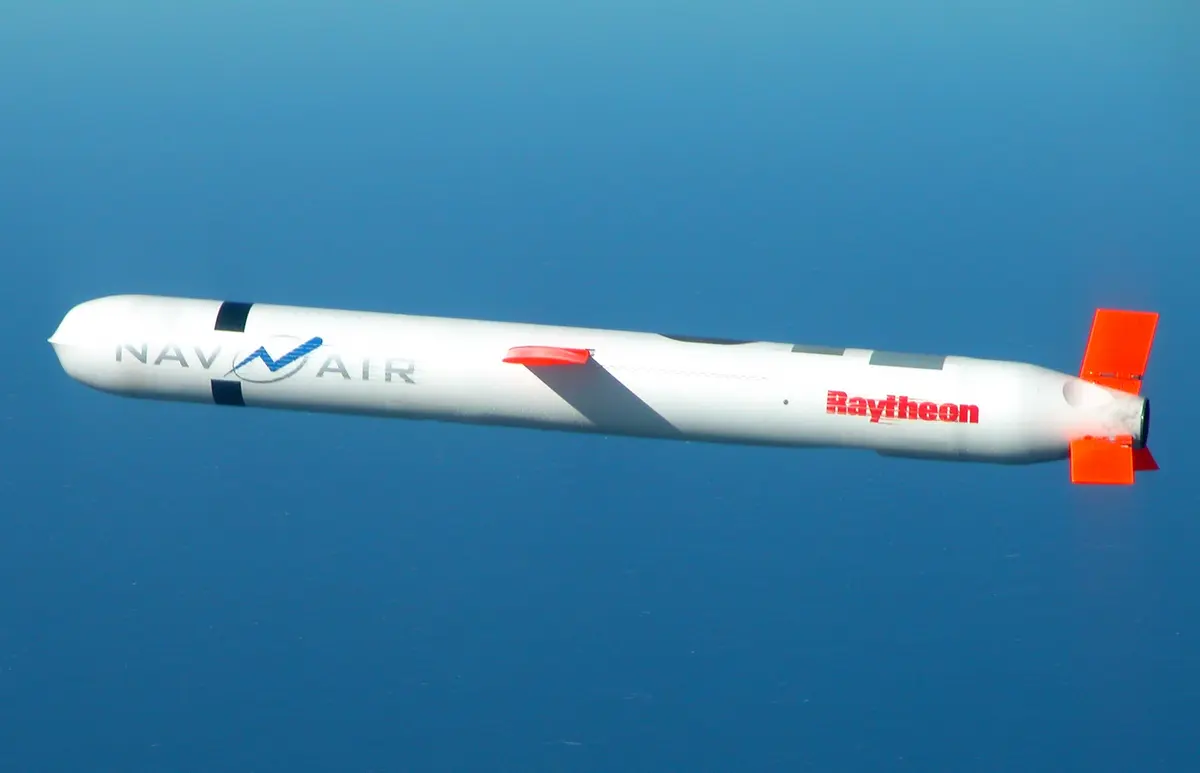
Tomahawk Contracts Support a Broader Manufacturing Strategy
The recent 22.9 billion dollar contract awarded to Raytheon for Tomahawk missiles exemplifies the new strategic direction. By aiming to increase production from 60 units to over 1,000 per year, the U.S. Navy is demonstrating a commitment to mass-production capabilities. This decision underscores the shift toward prioritizing volume alongside technological superiority.
The U.S. is prioritizing mass production to ensure sustained combat readiness.
Defense Industry Faces a Significant Production Transition
The Pentagon’s aggressive timeline signals that the U.S. is moving away from a traditional peacetime manufacturing approach. The ongoing global security environment necessitates a system that can sustain high-tempo operations indefinitely. As the defense sector responds to this directive, the focus remains on transforming the industrial base into a resilient engine for rapid, high-volume production.
How do you think this massive shift in defense production will impact global security and the U.S. industrial base in the coming years? Share your thoughts in the comments below.
Your comment has been submitted,
it will be published after approval.